
This article is excerpted from the 《Frontiers in Endocrinology》 by Wound World.

Cem Sulu1 , Ipek Pervaz 2 , Turgut Gurer 3 , Dogan Yildiz 2 , Arzu Tas 3 , Ahmet Numan Demir 1 , Serdar Sahin1 , Hande Mefkure Ozkaya1 , Dildar Konukoglu 4 , Abdullah Tuten5 , Taner Damci 1 , Fahrettin Kelestimur 6 and Mustafa Sait Gonen 1*
1 Division of Endocrinology-Metabolism and Diabetes - Department of Internal Medicine, Cerrahpasa Faculty of Medicine, Istanbul University-Cerrahpasa, Istanbul, Türkiye,
2Cerrahpasa Faculty of Medicine, Istanbul University-Cerrahpasa, Istanbul, Türkiye,
3Department of Internal Medicine, Cerrahpasa Faculty of Medicine, Istanbul University-Cerrahpasa, Istanbul, Türkiye,
4Department of Biochemistry, Cerrahpasa Faculty of Medicine, Istanbul University-Cerrahpasa, Istanbul, Türkiye,
5 Department of Obstetrics and Gynecology, Cerrahpasa Faculty of Medicine, Istanbul University Cerrahpasa, Istanbul, Türkiye,
6Department of Internal Medicine, Division of Endocrinology and Metabolic Diseases, Faculty of Medicine, Yeditepe University, Istanbul, Türkiye
Objective: To determine rate of polycystic ovary syndrome (PCOS) and its related features in women with prediabetes.
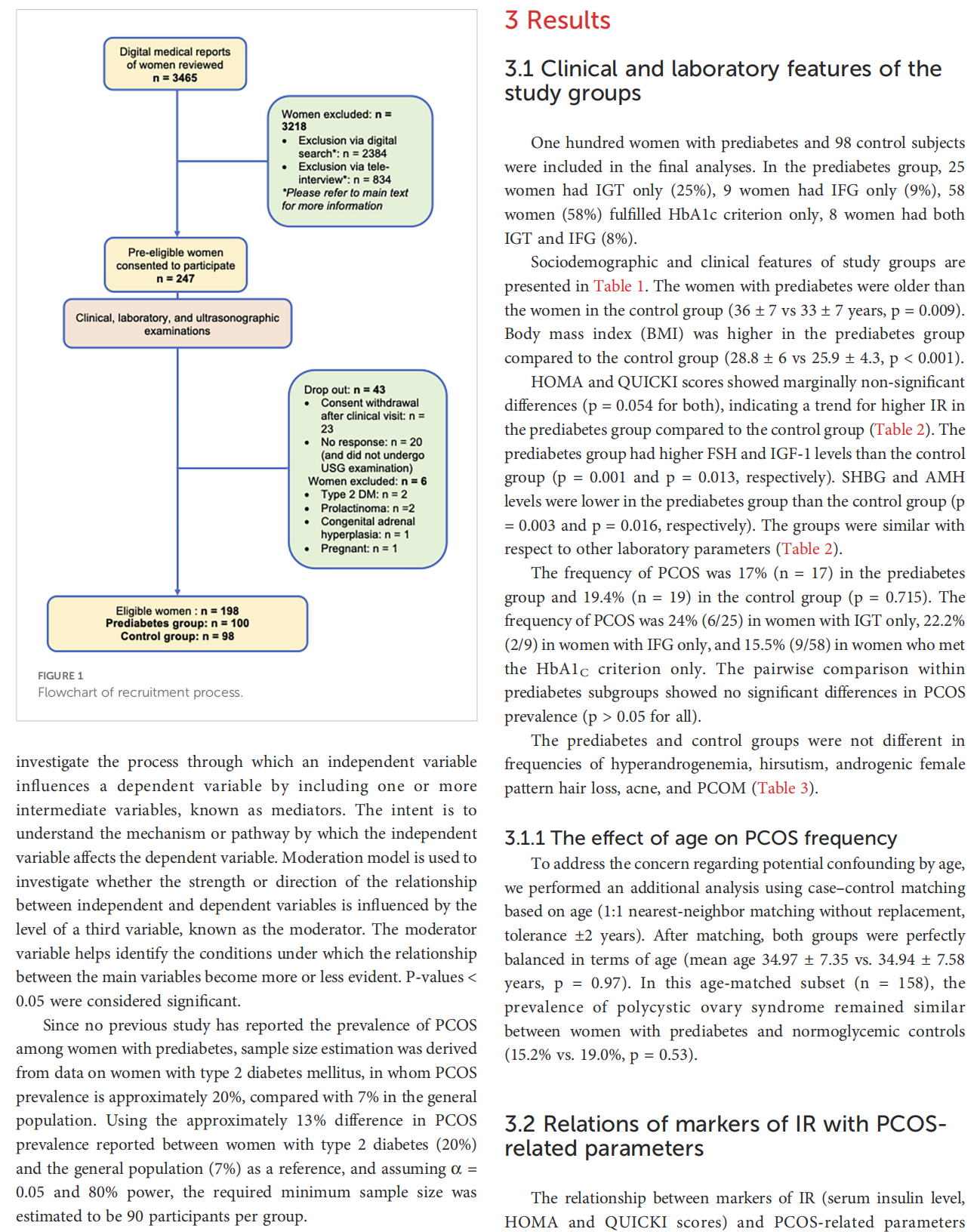
Methods: Of 3465 consecutive women applied between 2021 and 2023, 3218 women with diabetes mellitus or conditions affecting gonadal functions were excluded through digital screening and tele-interviews. Remaining 247 women underwent clinical assessments, excluding another 49 due to other endocrine diseases. The diagnosis of PCOS and prediabetes were based on Rotterdam and American Diabetes Association criteria, respectively.
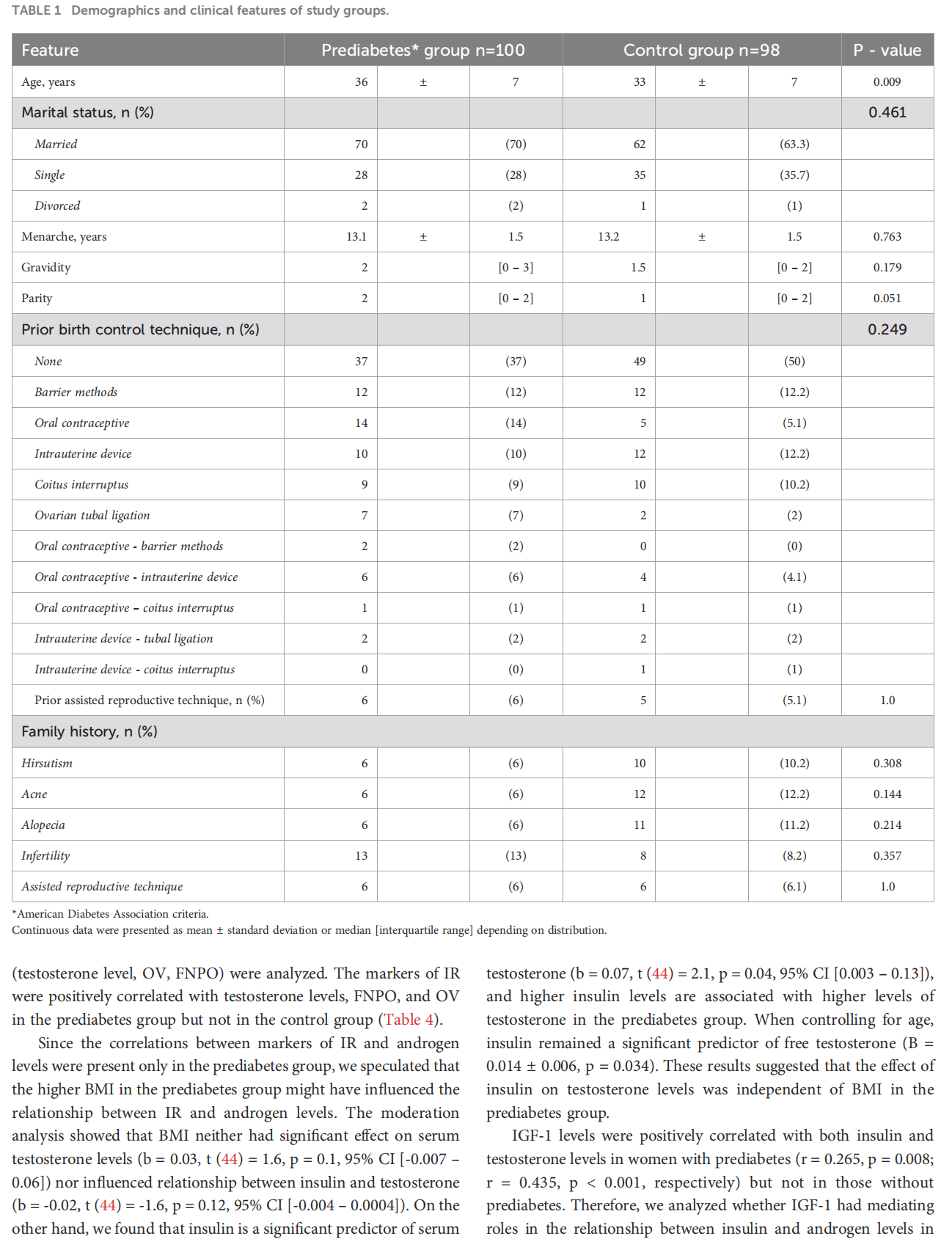
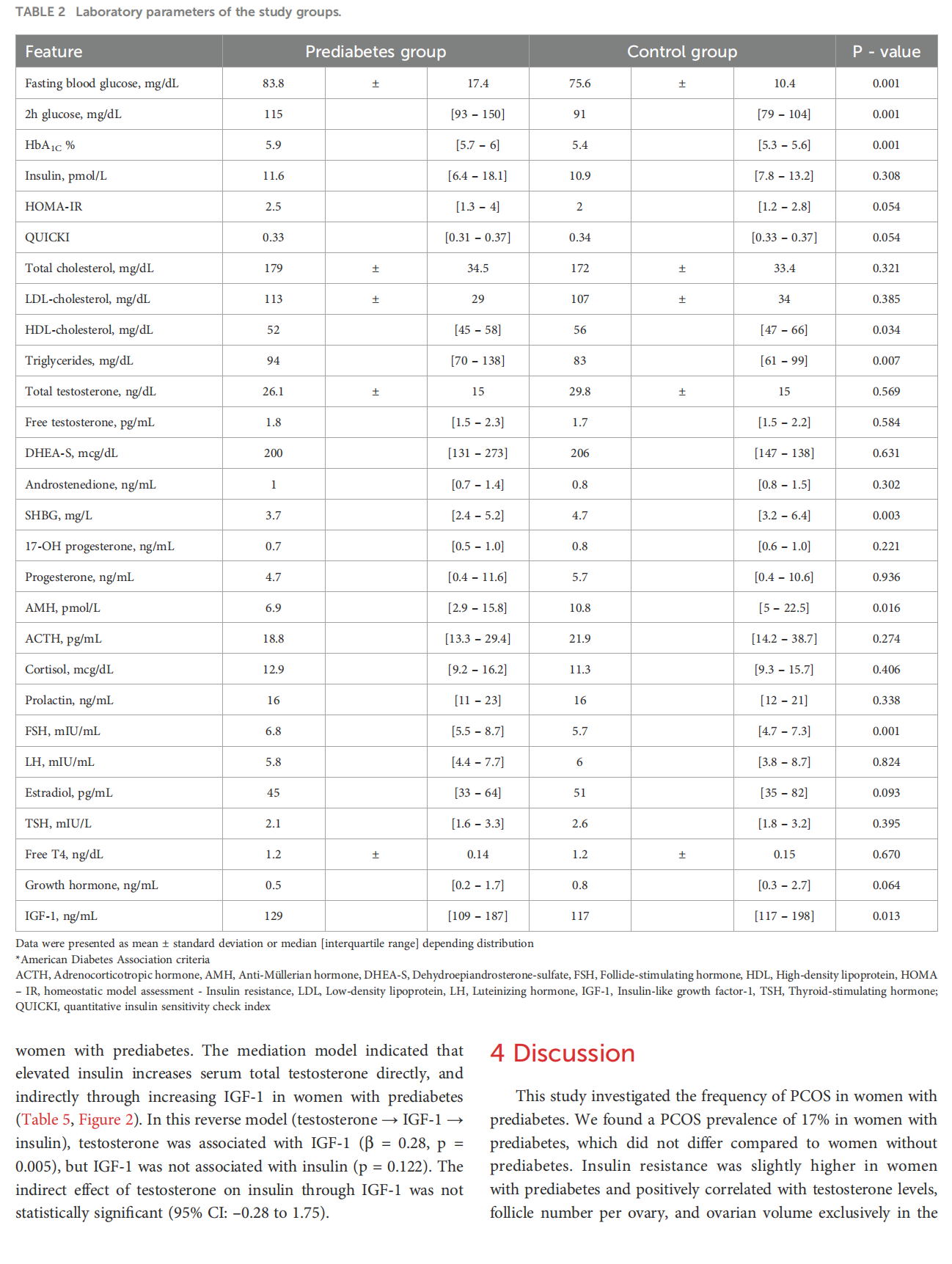
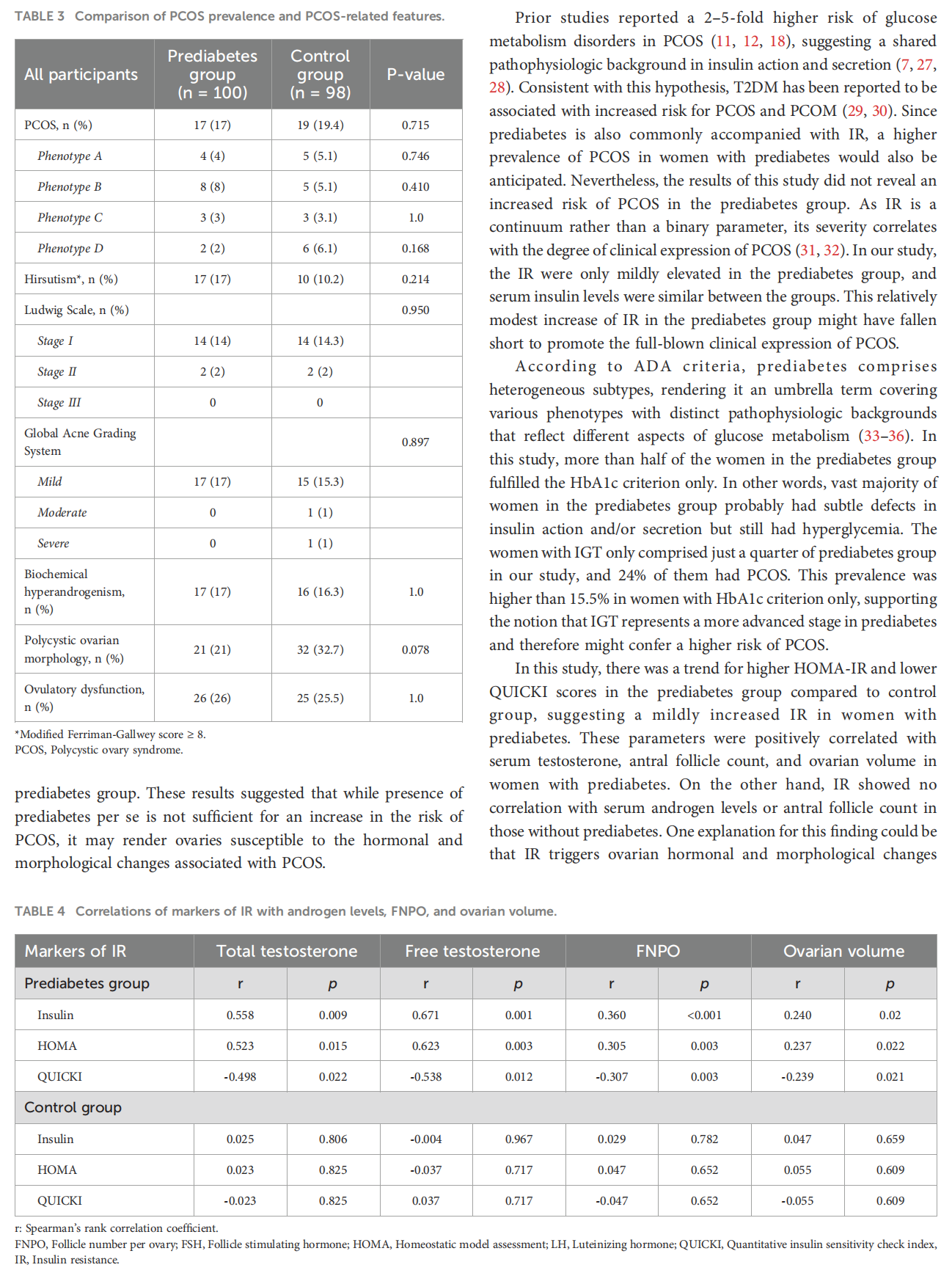
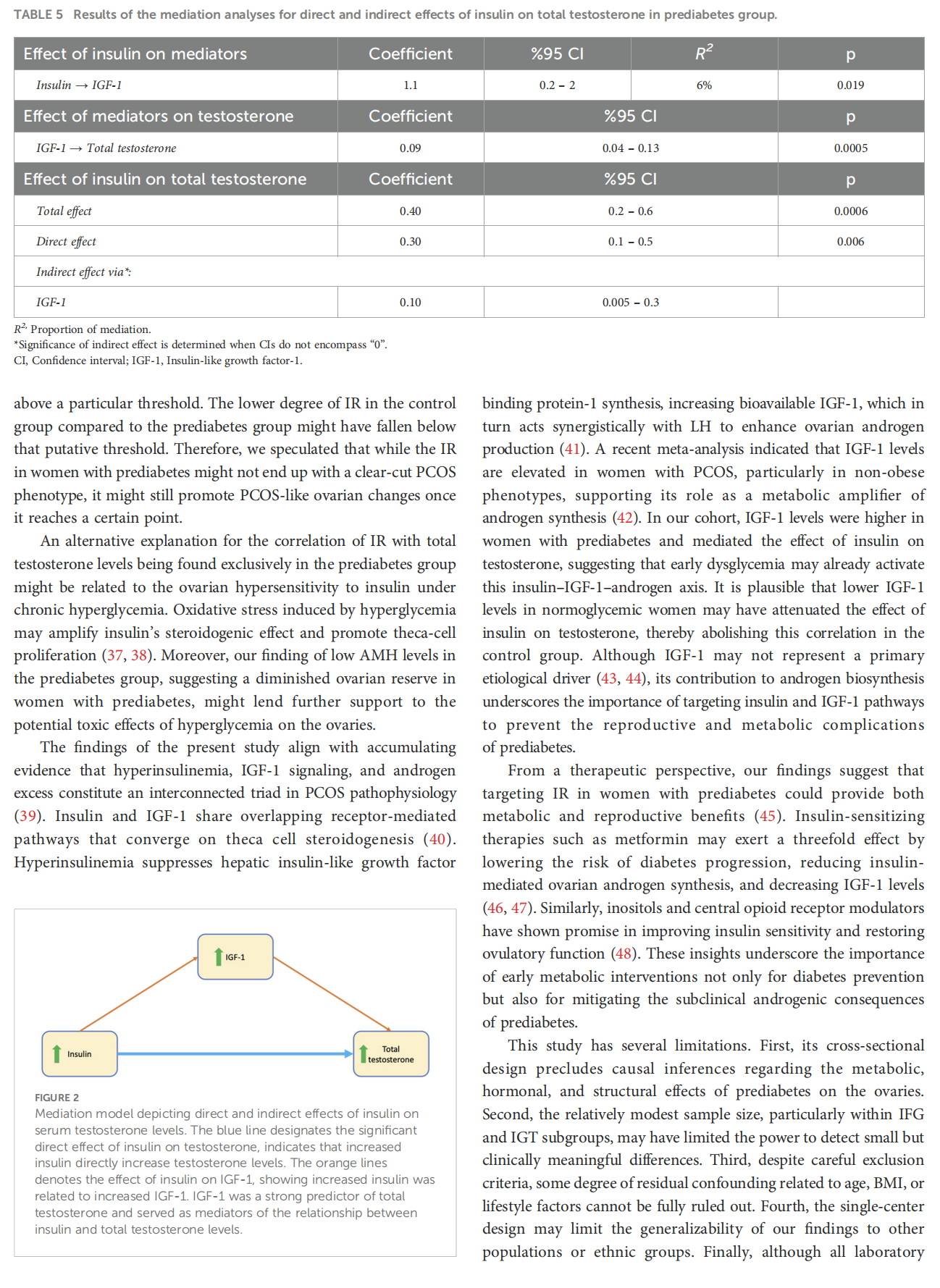
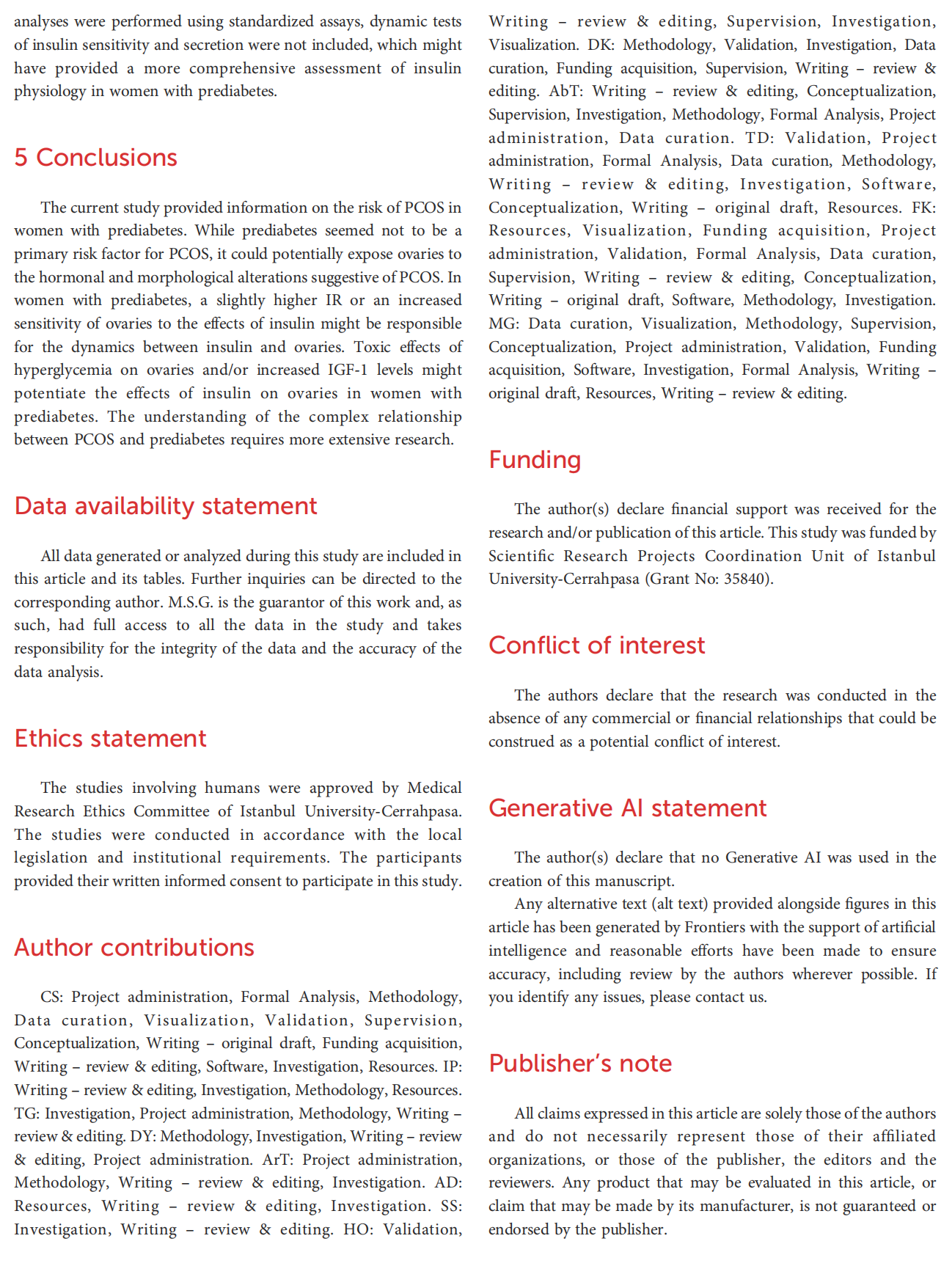
Results: 100 women had prediabetes and 98 women had normoglycemia. The frequency of PCOS were 17% and 19.4% in prediabetes and control groups, respectively (p=0.715). The frequency of PCOS was 24% (6/25) in women with impaired glucose tolerance (IGT) only, 22.2% (2/9) in women with impaired fasting glucose only, and 15.5% (9/58) in women who met the HbA1C criterion only. Prediabetes group had higher insulin-like growth factor-1 (IGF–1) levels and lower anti-Müllerian hormone (AMH) levels (p<0.05). Insulin was correlated with testosterone, antral follicle count, and ovarian volume only in prediabetes group (p<0.05). Mediation models showed that insulin increased testosterone both directly and indirectly through increasing IGF-1 (b=0.4, p=0.0006).
Conclusion: While the rate of PCOS was not increased in overall prediabetes group, a trend for an increased risk in IGT subgroup only was noteworthy. Positive correlation of insulin with testosterone, antral follicle count, and ovarian volume being only found in prediabetes group suggested that prediabetes might render ovaries susceptible to the PCOS-like changes. The lower AMH in prediabetes implied the toxic effects of even mild hyperglycemia on ovaries.
KEYWORDS
hyperandrogenism, impaired fasting glucose, impaired glucose tolerance, insulin resistance, polycystic ovary syndrome, prediabetes
This article is excerpted from the 《Frontiers in Endocrinology》 by Wound World.