文献精选
Geun Woo Park,1 * Deyanna M. Boston,2 Julie A. Kase,1 Mark N. Sampson,2 and Mark D. Sobsey1
Department of Environmental Sciences and Engineering, University of North Carolina at Chapel Hill, Chapel Hill,
North Carolina,1 and PuriCore Inc., 508 Lapp Road, Malvern, Pennsylvania 193552
Received 6 December 2006/Accepted 27 April 2007
Noroviruses (NVs) are the most frequent cause of outbreaks of gastroenteritis in common settings, with surface-mediated transfer via contact with fecally contaminated surfaces implicated in exposure. NVs are environmentally stable and persistent and have a low infectious dose. Several disinfectants have been evaluated for efficacy to control viruses on surfaces, but the toxicity and potential damage to treated materials limits their Sterilox hypochlorous acid (HOCl) solution (HAS) has shown broad-spectrum antimicrobial activity while being suitable for general use. The objectives of this study were to evaluate the efficacy of HAS to reduce NV both in aqueous suspensions and on inanimate carriers. HOCl was further tested as a fog to decontaminate large spaces. HOCl effectiveness was evaluated using nonculturable human NV measured by reverse transcriptase PCR (RT-PCR) and two surrogate viruses, coliphage MS2 and murine NV, that were detected by both infectivity and RT-PCR. Exposing virus-contaminated carriers of ceramic tile (porous) and stainless steel (nonporous) to 20 to 200 ppm of HOCl solution resulted in >99.9% (>3 log10) reductions of both infectivity and RNA titers of tested viruses within 10 min of exposure time. HOCl fogged in a confined space reduced the infectivity and RNA titers of NV, murine NV, and MS2 on these carriers by at least 99.9% (3 log10), regardless of carrier location and orientation. We conclude that HOCl solution as a liquid or fog is likely to be effective in disinfecting common settings to reduce NV exposures and thereby control virus spread via fomites.
普通高等教育本科教材智能医学系列教材《医学人工智能》教材今日在汉正式发布。该书由科学出版社出版,中国科学院卞修武院士、中国工程院戴琼海院士联合主审,武汉协和医院叶哲伟教授主编。
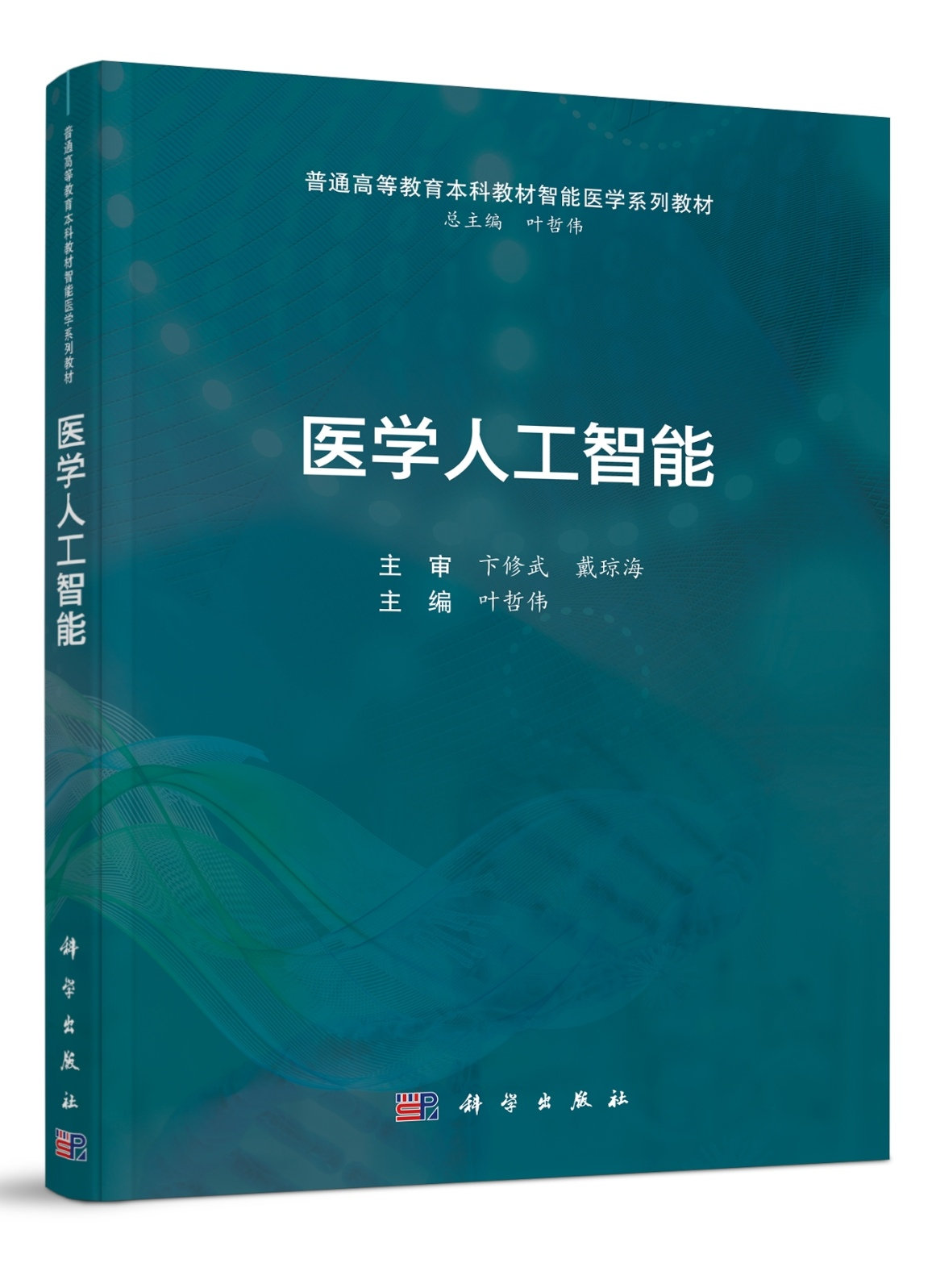
《医学人工智能》本科生教材。
“当前人工智能深度融入疾病诊断、慢病管理、新药研发、智慧医院建设等医疗全链条。但医学生在基础教育阶段缺少人工智能等相关系统课程引导,同时参与医学人工智能研发的工作人员又缺少临床学习背景。”叶哲伟经过长期的临床与教育工作后发现,目前很多人工智能研究成果与医学实际存在脱节,而加强本科阶段医学人工智能教育能为人工智能+医学创新型人才的培养筑牢根基。
立足这一现实需求,团队耗时5年完成这部教材的申报、撰写、校对与打磨。教材共计51万字,分为5篇26章,完整覆盖人工智能基础、医学大语言模型、多科室临床AI落地、智能药物研发、医院数字化运营、行业政策与医学伦理等板块。编委会集结国内医学、人工智能领域一线专家,同步吸纳多位院士、海内外顶级行业学者全程指导。编写过程兼顾理论教学与临床实操,搭配大量真实医疗AI落地案例,帮助学生同步掌握医学知识与智能技术应用方法。
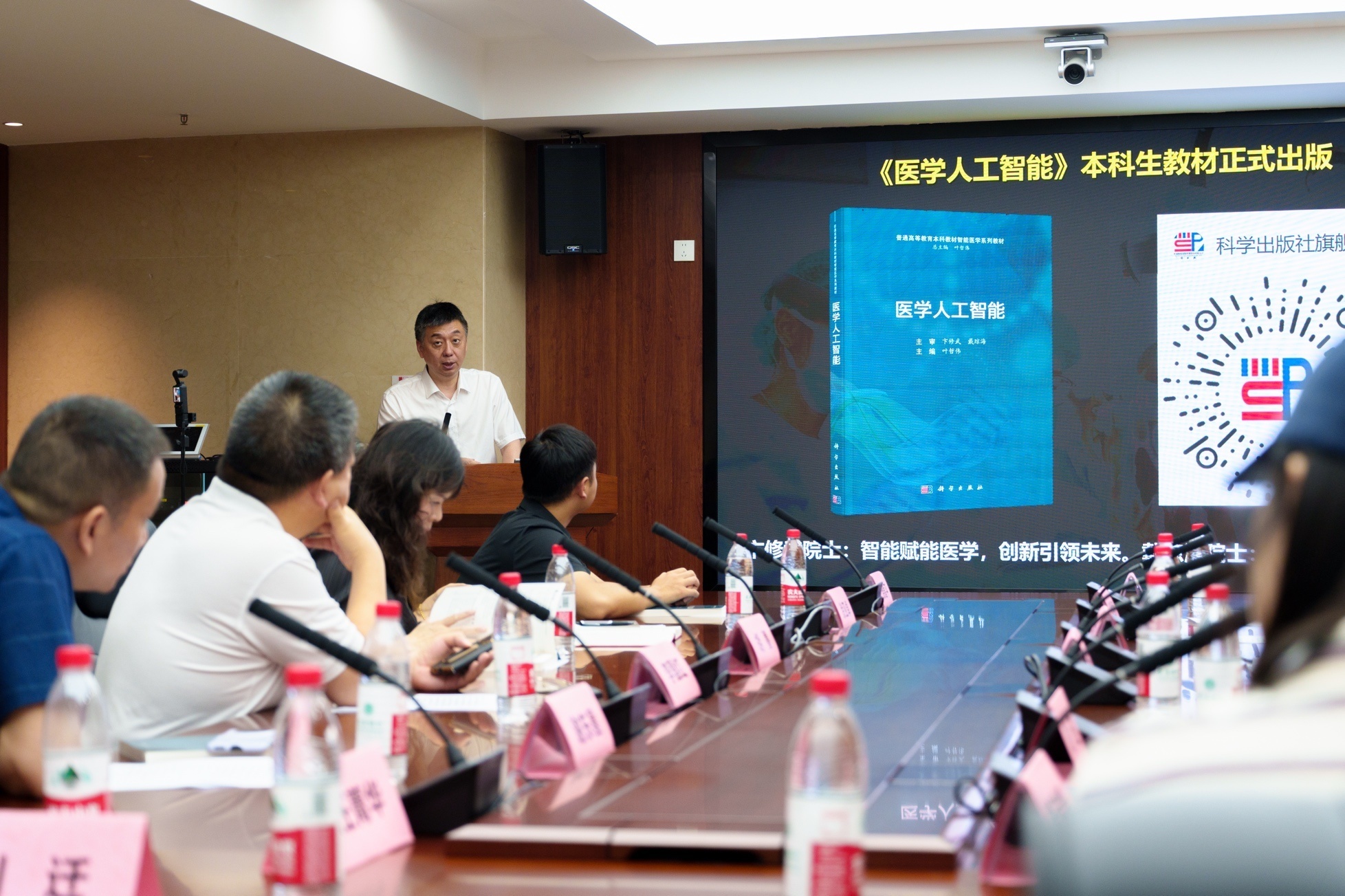
叶哲伟教授作《医学人工智能》教材工作汇报。
《医学人工智能》两位主审院士分别来自医学与人工智能领域。卞修武院士是我国著名人体病理学家,长期从事临床病理诊断和肿瘤病理学研究;戴琼海院士长期深耕成像与智能技术、脑与认知科学及相关交叉领域。两位院士从医学规律、临床需求、技术前沿和人才培养等不同角度对教材进行指导和审核,体现了该书鲜明的医工交叉特色。教材主编叶哲伟教授长期从事医学临床、智能医学研究与医学教育工作,申请创建并担任《智能医学》国家教材主编,领衔创建华中科技大学“医学人工智能”微专业,被誉为“中国智能医学的领航者”。此次《医学人工智能》本科生教材的出版,是其团队持续推进医学与人工智能深度融合的又一重要举措。
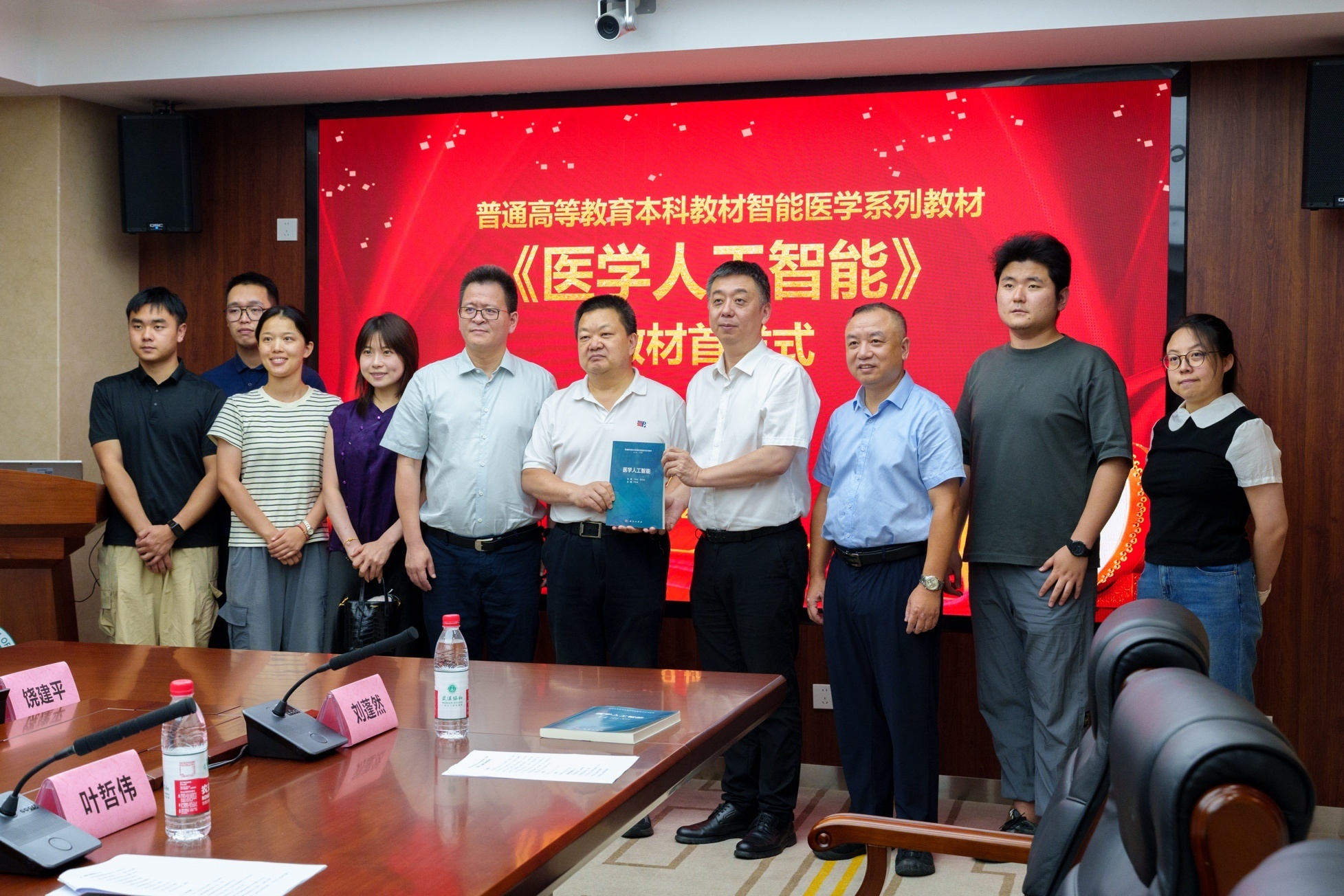
与会嘉宾共同见证《医学人工智能》教材正式发布。
《医学人工智能》本科生教材,从技术原理到临床应用,从理论探讨到实践案例,从现状到展望,全方位、多角度构建了医学人工智能知识体系,将为我国“人工智能+医学协同创新”复合型人才的培养体系奠定基础,为医学创新带来无限可能。
(通讯员协宣)
Allyson N. Hamilton1 · Sahaana Chandran1 · Christopher A. Baker1,2 · Kristen E. Gibson1
Received: 2 December 2022 / Accepted: 13 January 2023 / Published online: 21 January 2023
© The Author(s), under exclusive licence to Springer Science+Business Media, LLC, part of Springer Nature 2023
Abstract
Indirect contact with contaminated surfaces is a potential transmission route for COVID-19. Therefore, it is necessary to investigate convenient and inexpensive surface sanitization methods, such as HOCl, against severe acute respiratory syn-drome coronavirus 2 (SARS-CoV-2). The SARS-CoV-2 surrogate, Phi6 (~7 log PFU/mL), was prepared in artificial saliva and tripartite matrices, spot inoculated on coupons of either stainless steel or vinyl, and allowed to dry. The coupons were sprayed with either 500 ppm or 1000 ppm HOCl, and remained on the surface for 0 s (control), 5 s, 30 s, or 60 s. Samples were enumerated via the double agar overlay assay. Statistical analysis was completed in R using a generalized linear model with Quasipoisson error approximations. Time, concentration, surface type, and inoculum matrix were all significant contributors to log reduction at P=0.05. Significant three-way interactions were observed for 1000 ppm, vinyl, and 60 s (P=0.03) and 1000 ppm, tripartite, and 60 s (P=0.0121). A significant two-way interaction between vinyl and 60 s was also observed (P=0.0168). Overall, increased HOCl concentration and exposure time led to increased Phi6 reduction. Notably, the highest estimated mean log reduction was 3.31 (95% CI 3.14, 3.49) for stainless steel at 60 s and 1000 ppm HOCl in artificial saliva, indicating that this method of sanitization may not adequately reduce enveloped viruses to below infective thresholds.
Keywords Fomite · Phi6 · Hypochlorous acid · Vinyl · Stainless steel
Kyu-Il Lee1 , Yu-Kyeong Yun2 , Seung-Kyu Han2,3 , Kyung-Chul Moon2,3 , Sik Namgoong2,3 ,
Seong-Ho Jeong3 , Eun-Sang Dhong3
1Department of Plastic Surgery, Taean Public Health Office, Taean, Korea
2Diabetic Wound Center and Department of Plastic Surgery, Korea University Guro Hospital, Seoul, Korea
3Department of Plastic Surgery, Korea University College of Medicine, Seoul, Korea
Abstract
Background: Adequate tissue oxygenation is a key determinant of diabetic foot ulcer (DFU) outcomes. Though transcutaneous oxygen pressure (TcPO2) is the gold standard for evaluating tissue oxygenation, its limited availability restricts routine clinical use. Consequently, toe pressure is frequently utilized as a practical surrogate; however, the direct correlation between these two modalities has yet to be rigorously investigated. This study aimed to assess the correlation and agreement between TcPO2and toe pressure in patients with DFUs.
Methods: A retrospective review was conducted on 837 DFU patients who received simultaneous TcPO2and toe pressure assessments.
The correlation between the two tests was analyzed using the Pearson correlation coefficient, and agreement was evaluated using Bland– Altman analysis. To aid interpretation, a scatterplot and Bland–Altman plot were generated.
Results: TcPO2and toe pressure demonstrated a strong correlation (R=0.66; 95% confidence interval, 0.62 to 0.70; P<0.001). Bland–
Altman analysis showed a mean bias of 26.9 mmHg (standard deviation of differences, 28.8 mmHg; 95% limits of agreement, −28.9 to 82.6 mmHg) between toe pressure and TcPO2, reflecting limited agreement and increased variability at higher perfusion levels.
Conclusion: TcPO2and toe pressure are strongly correlated. However, they are not interchangeable, particularly in DFU patients with high tissue perfusion.
Keywords: Diabetic foot; Foot ulcer; Ischemia; Microcirculation