
伤口世界

- 星期四, 17 4月 2025
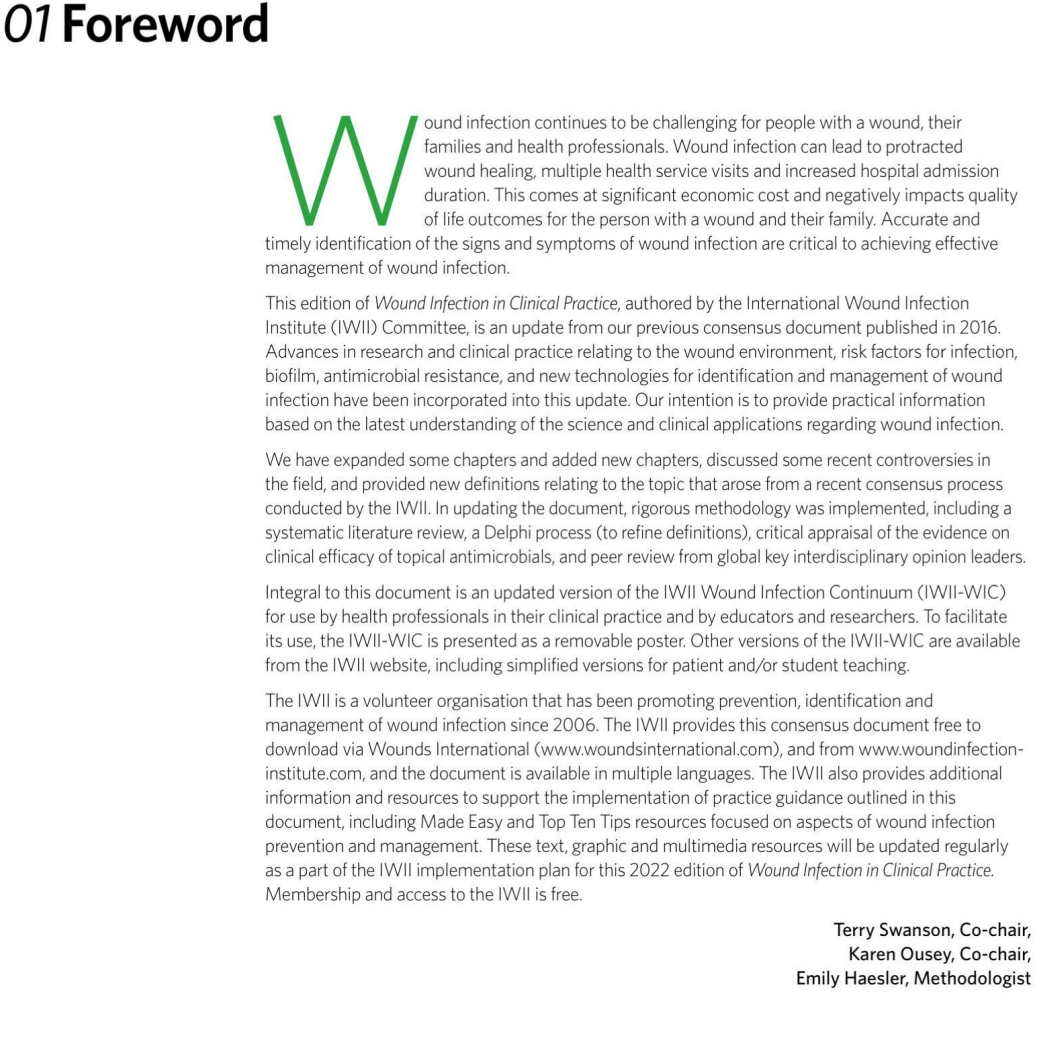
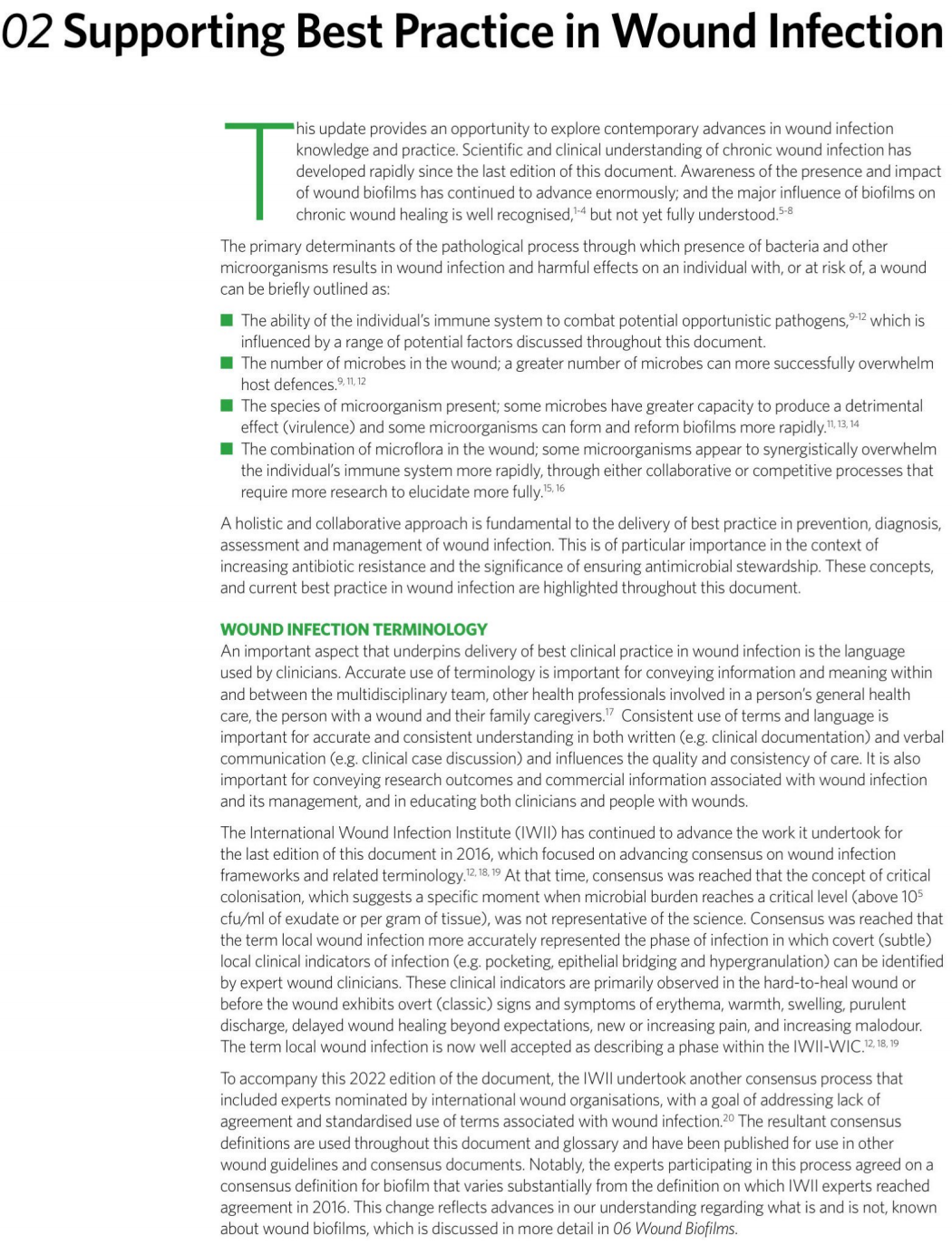
WOUND INFECTIONINCLINICAL PRACTICEPrinciples of best practice
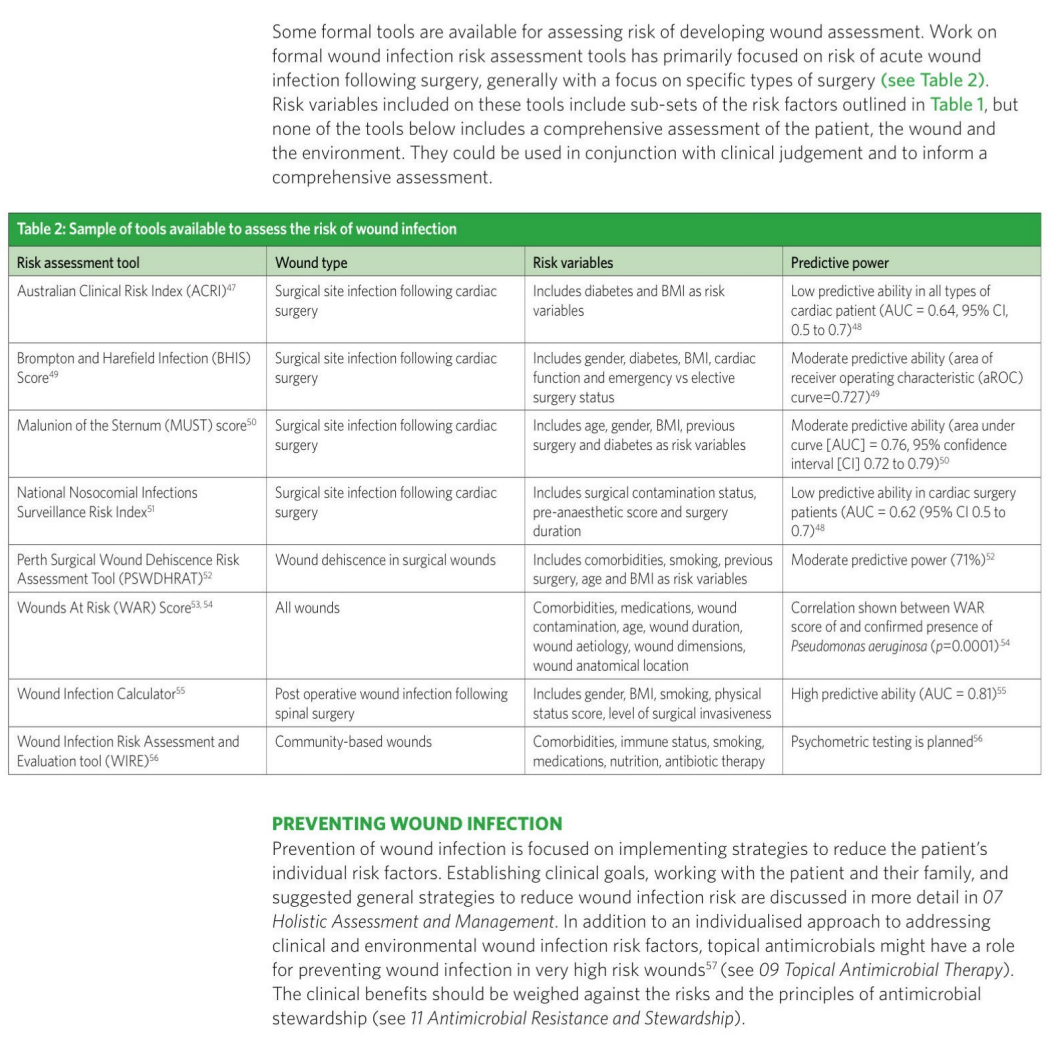
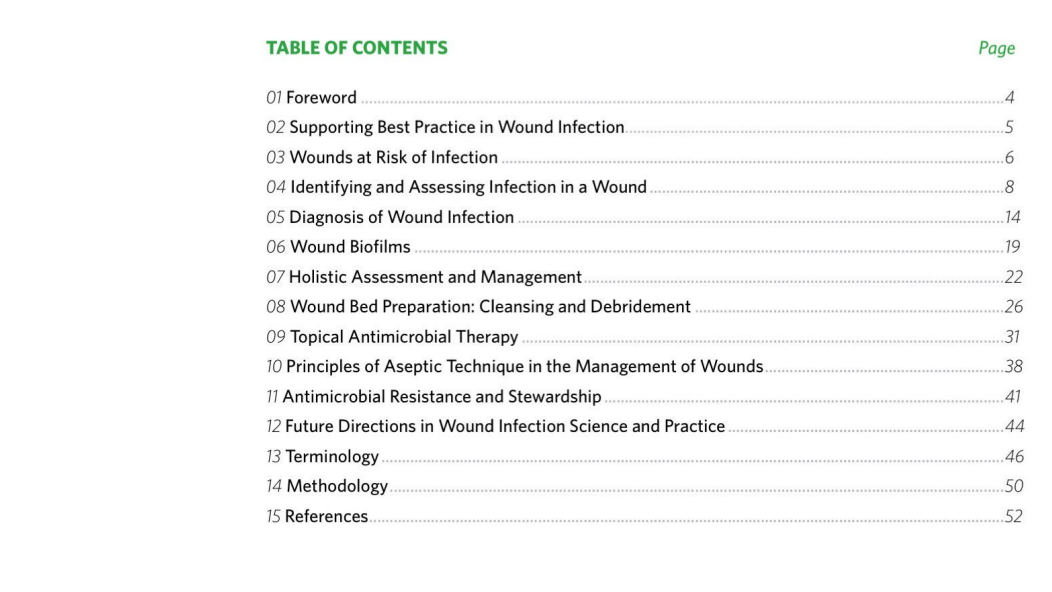
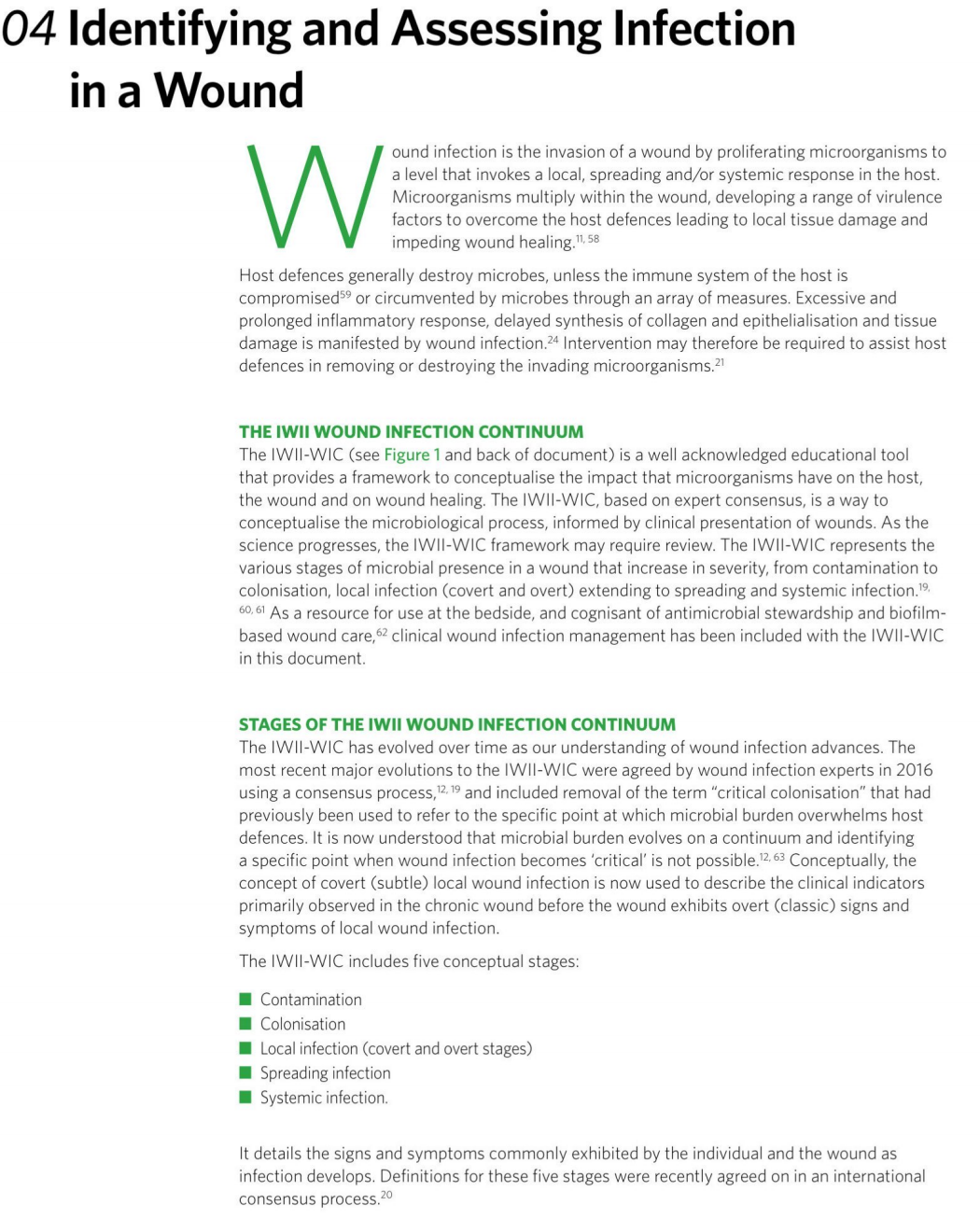
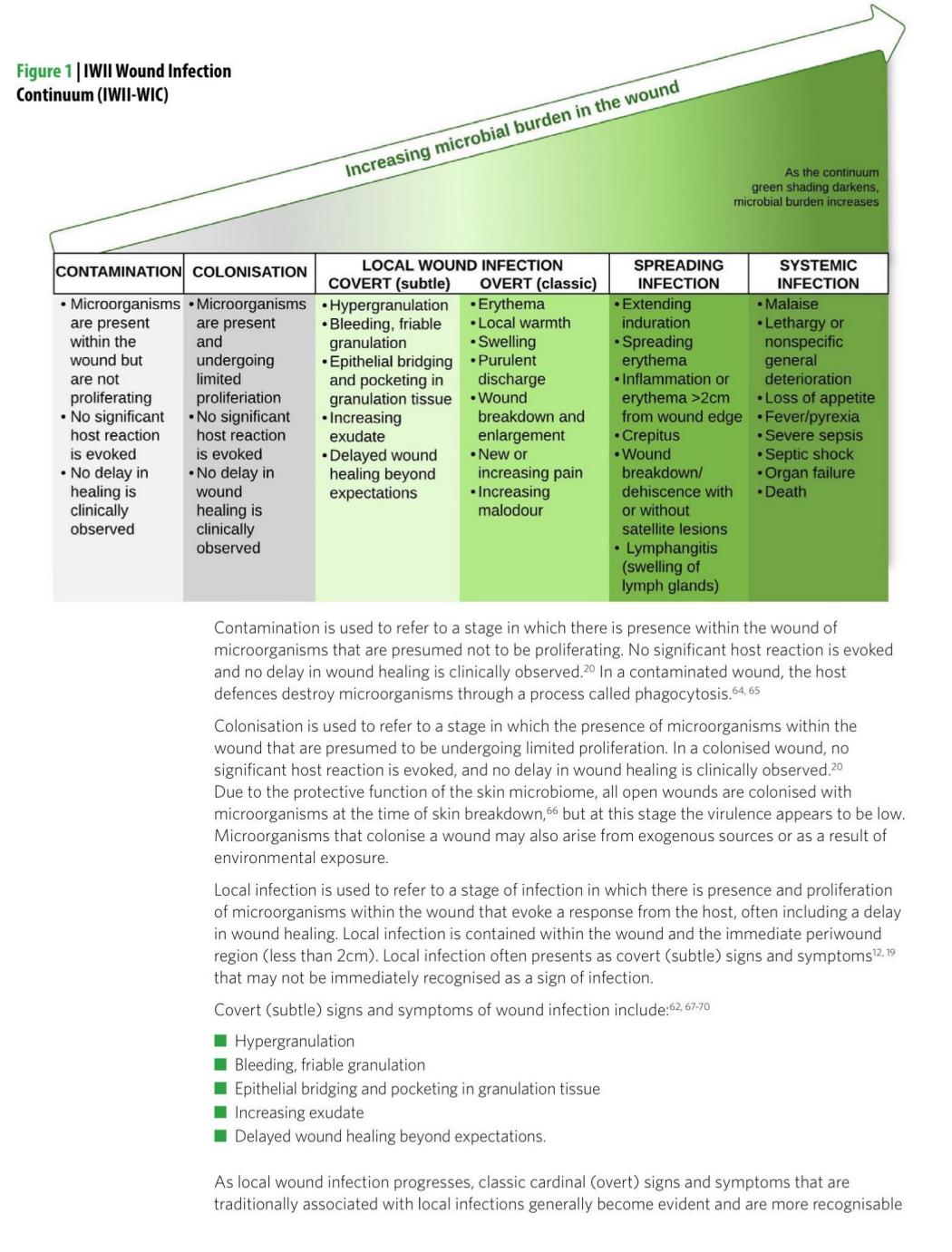
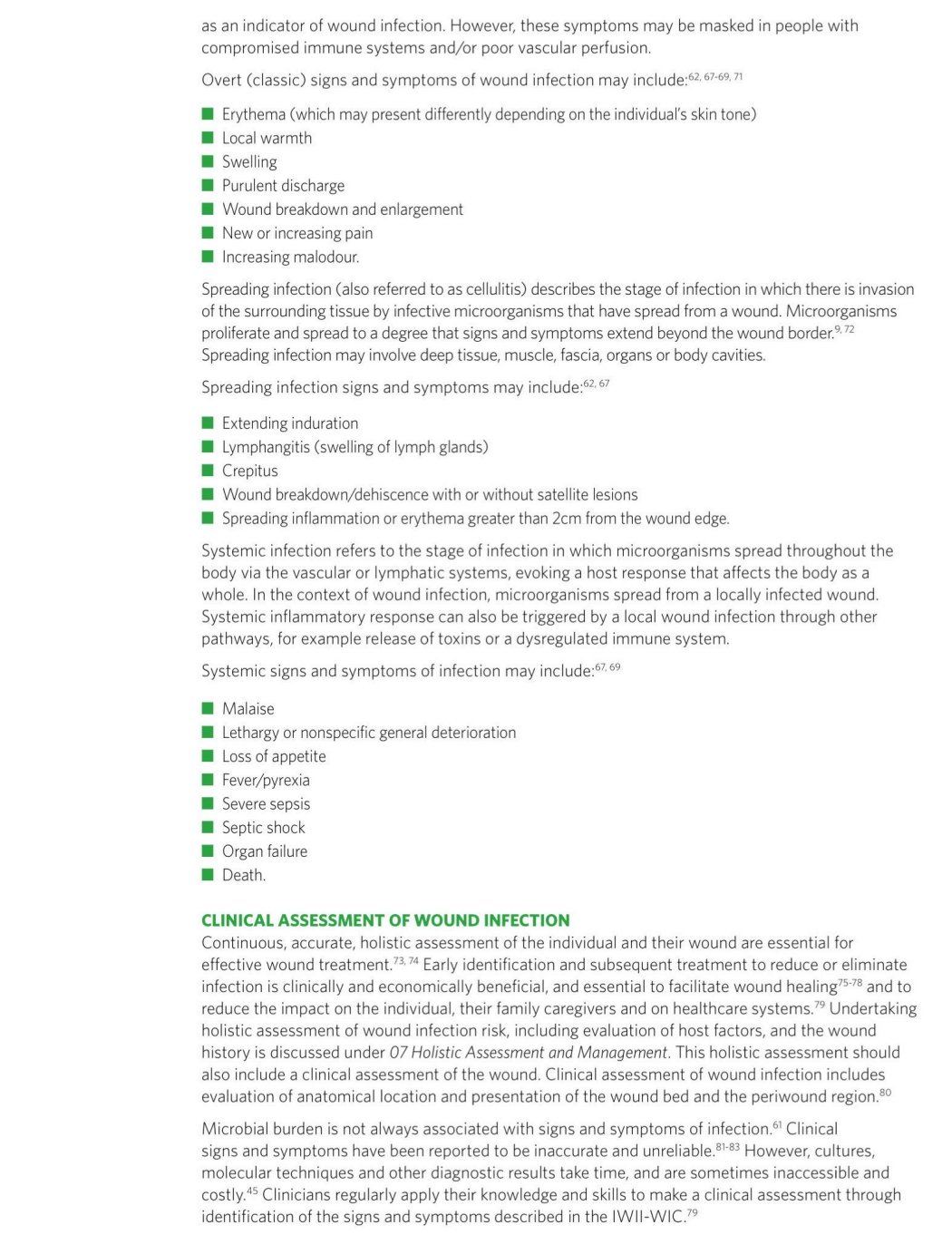

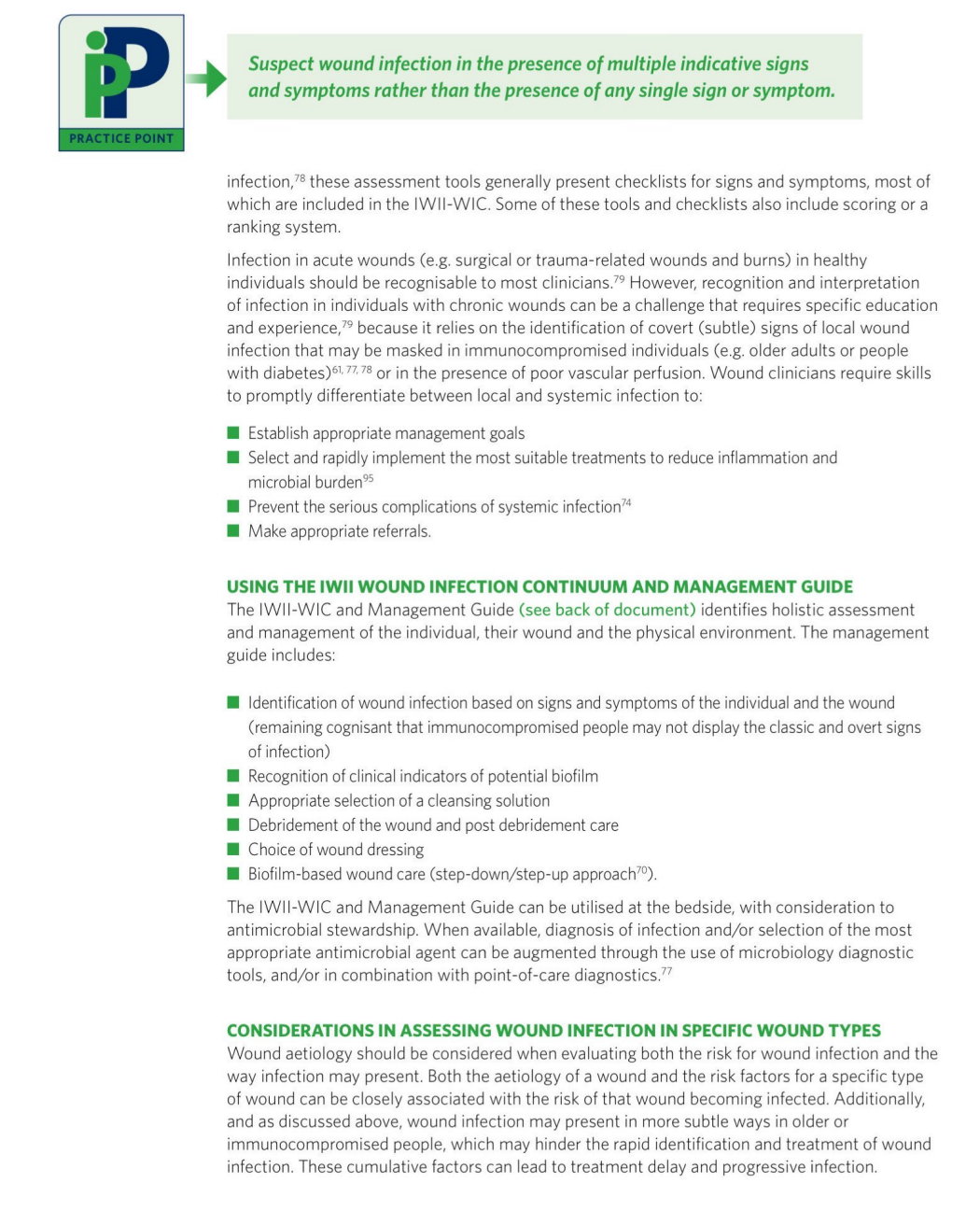
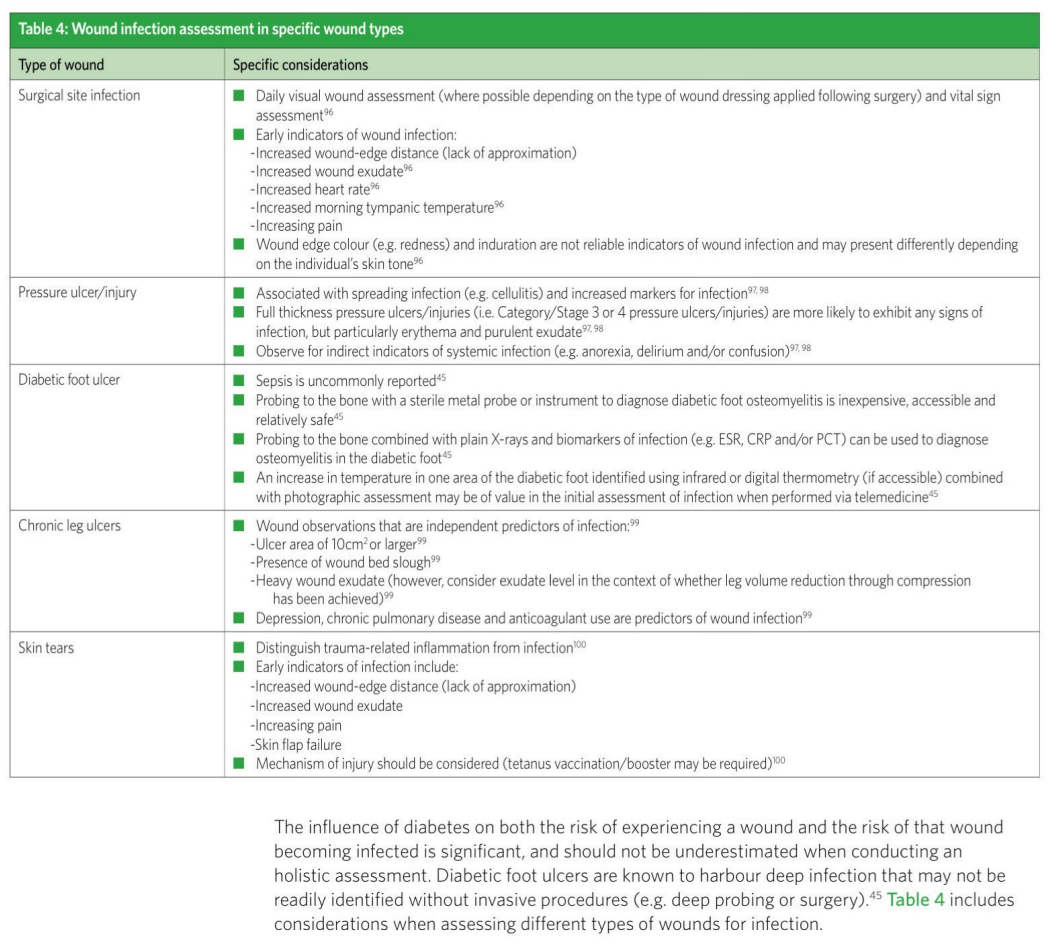
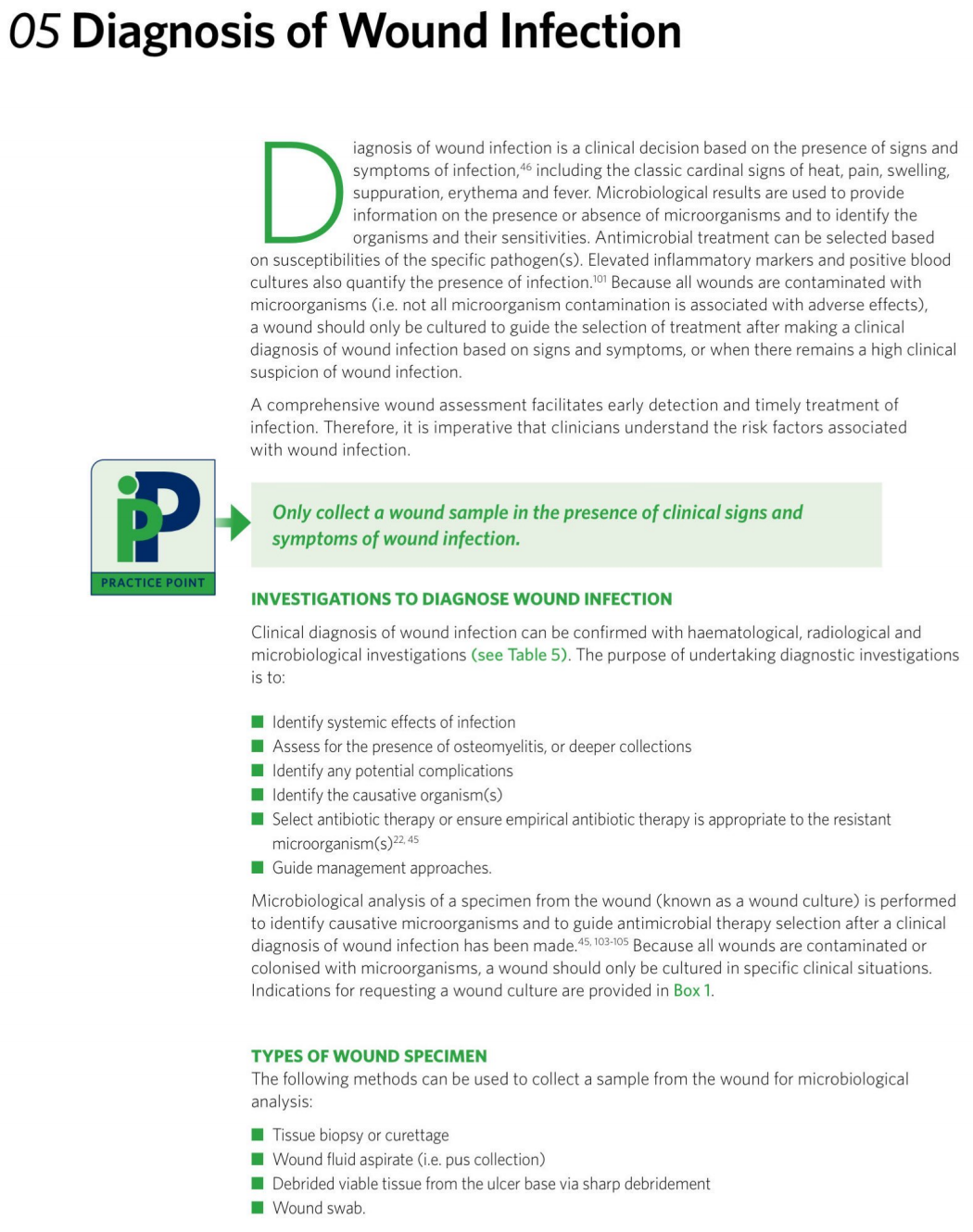

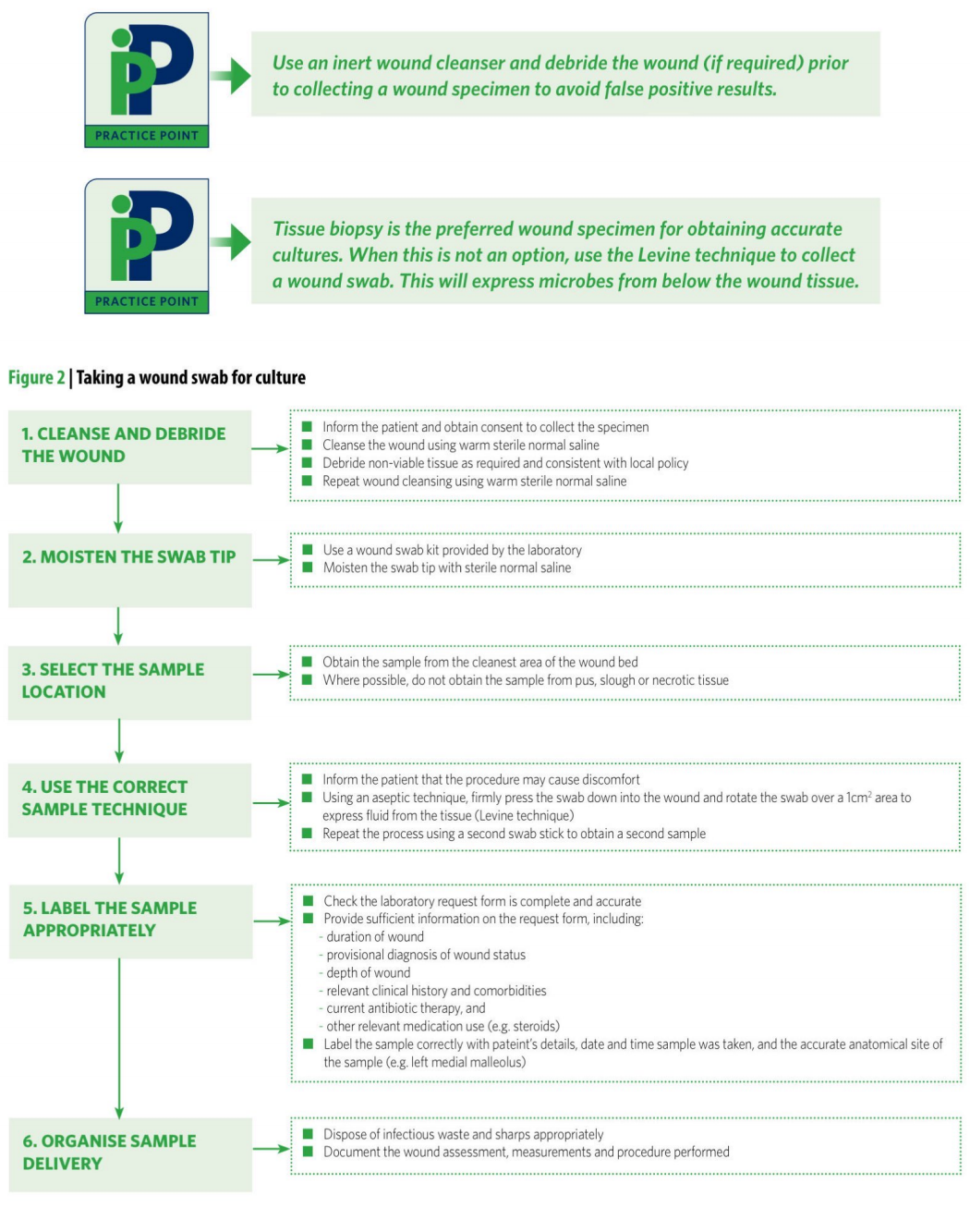
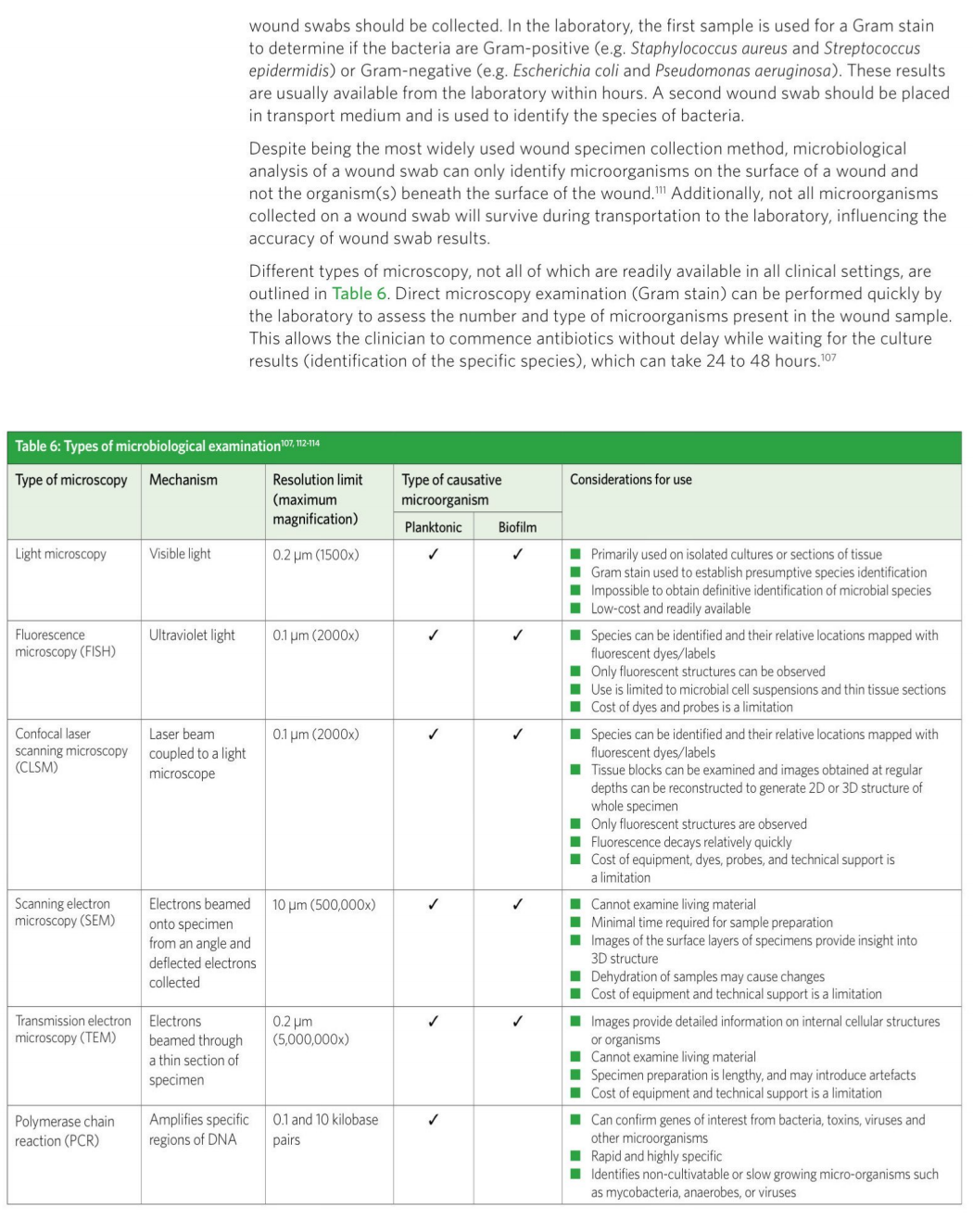
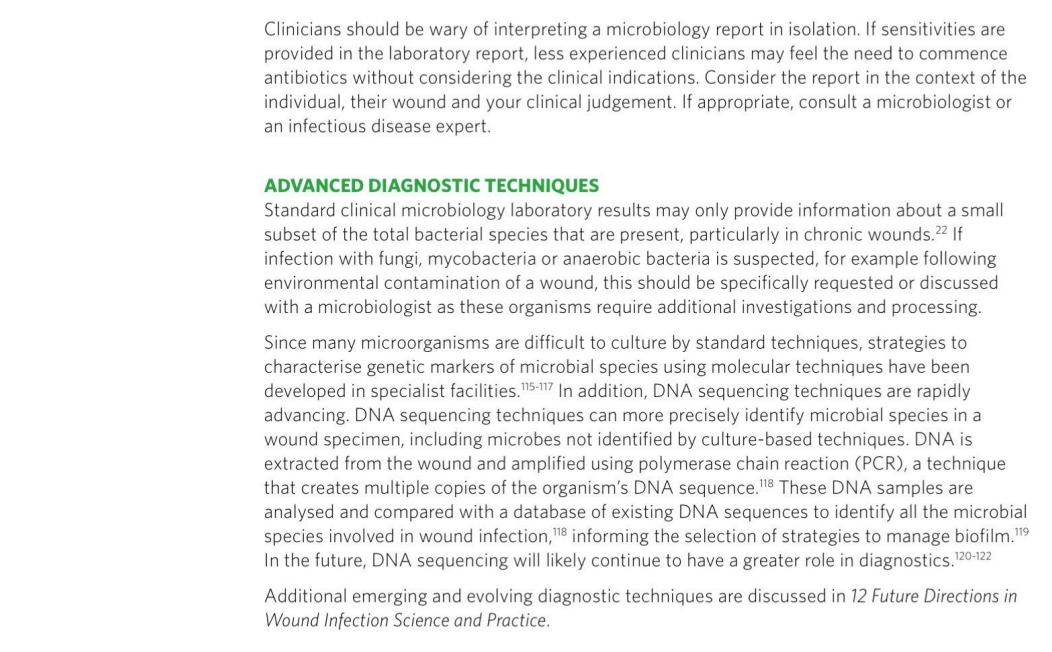
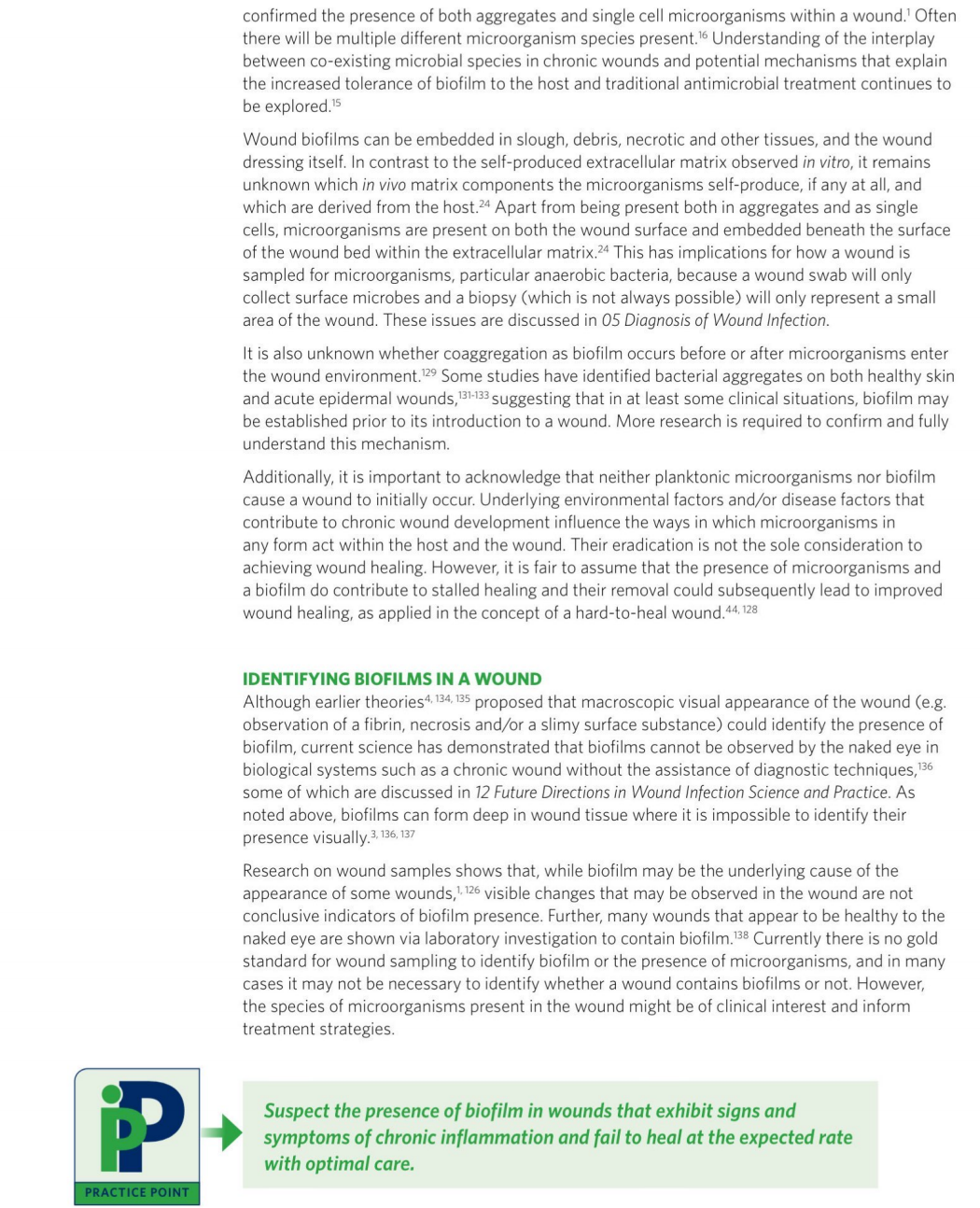


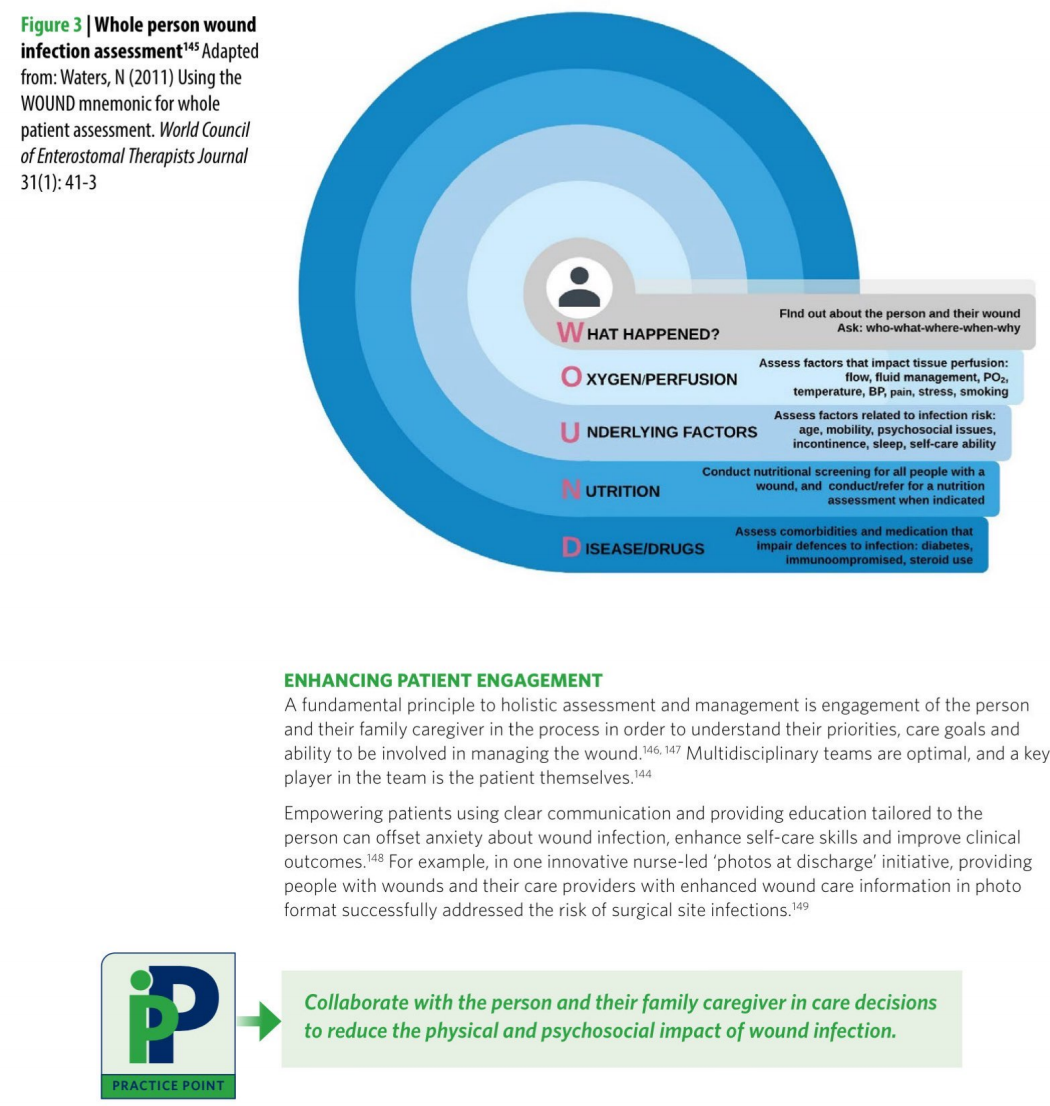



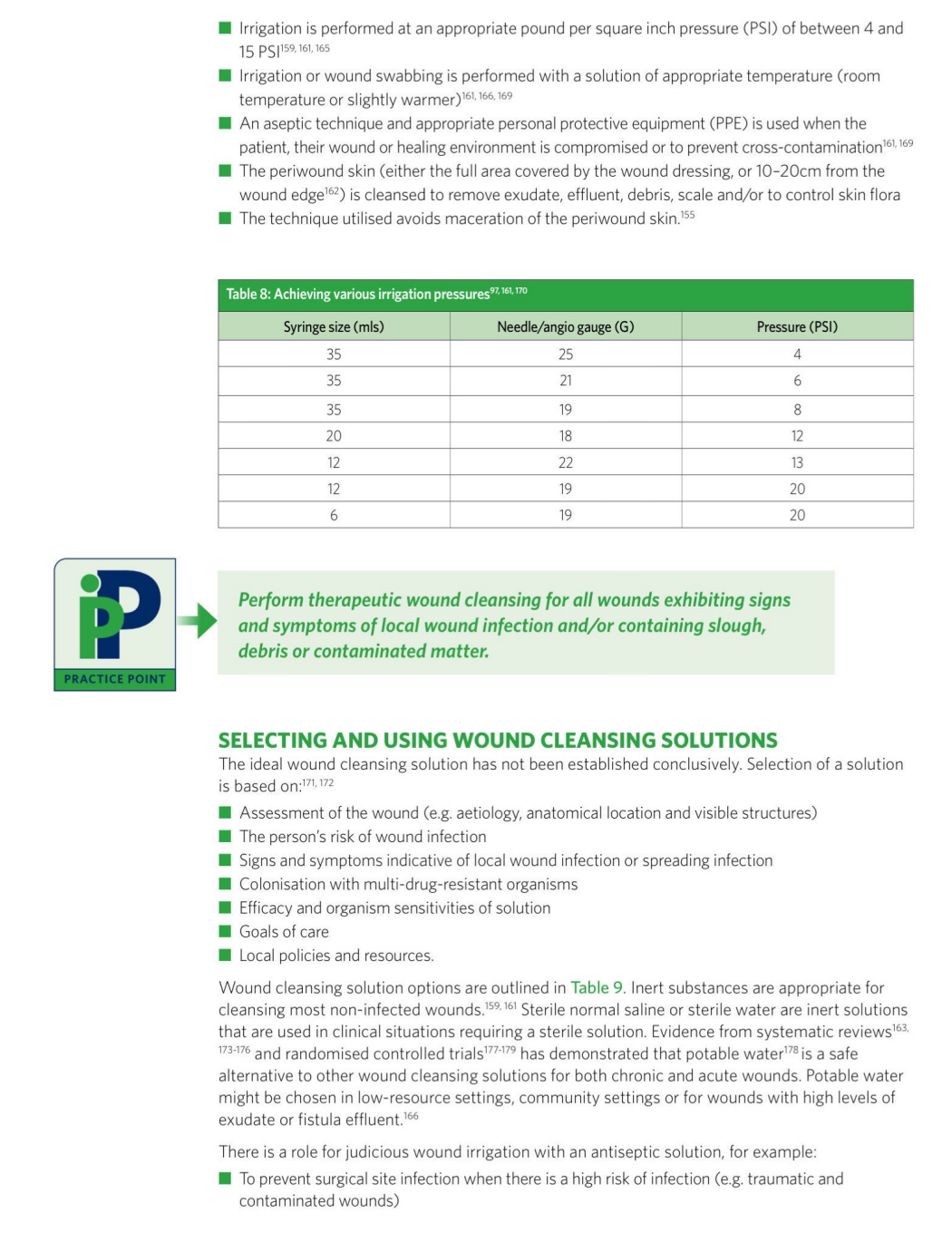
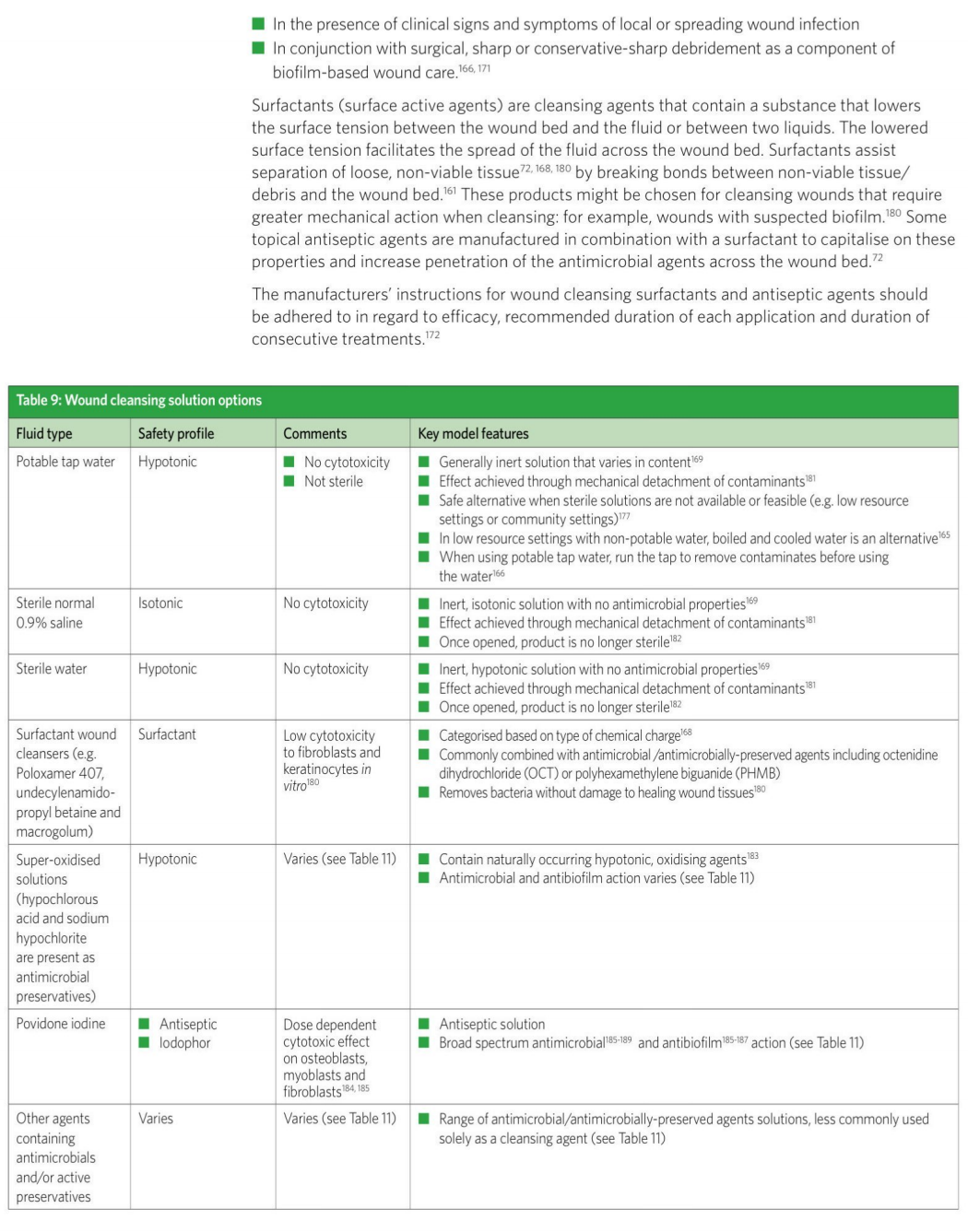
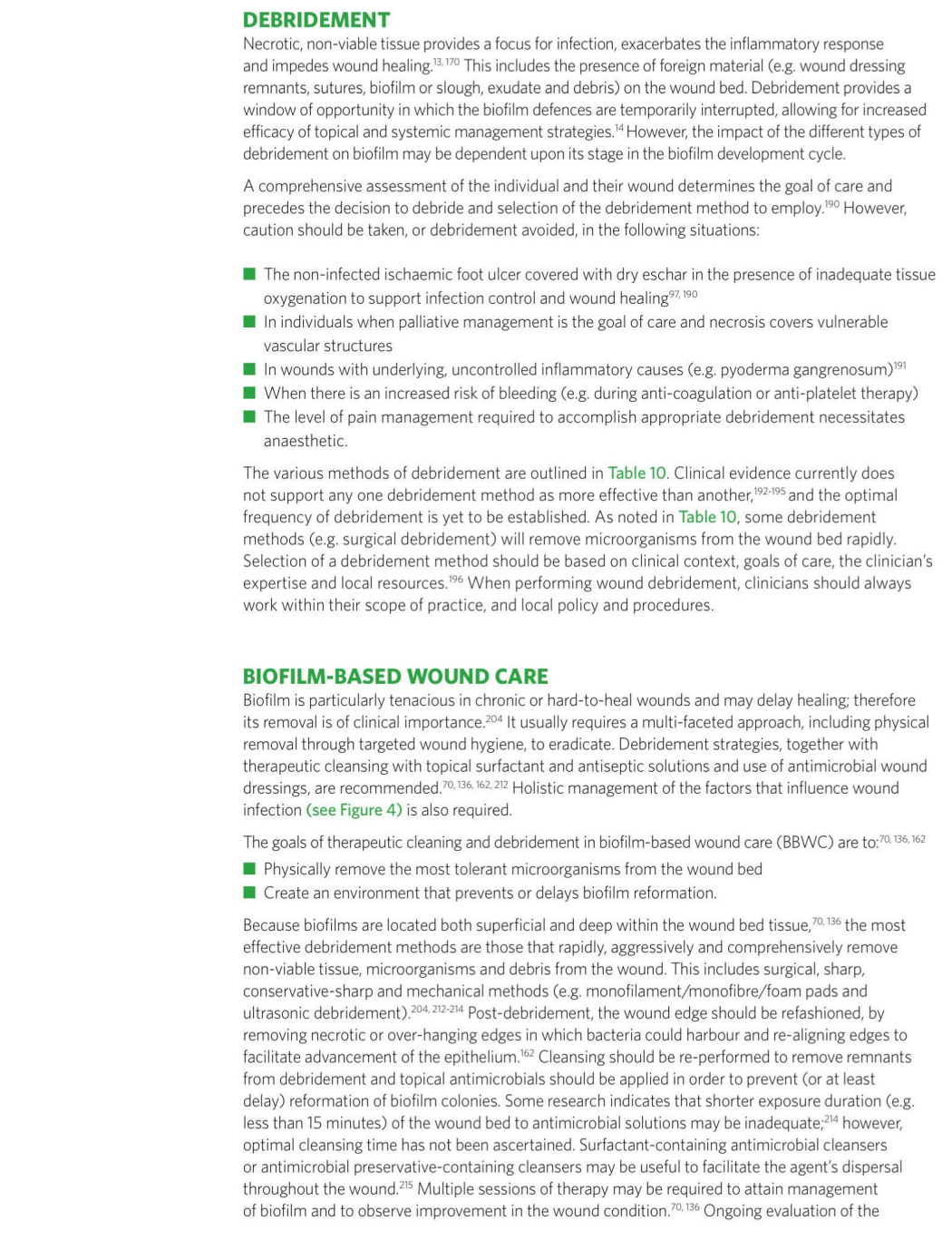

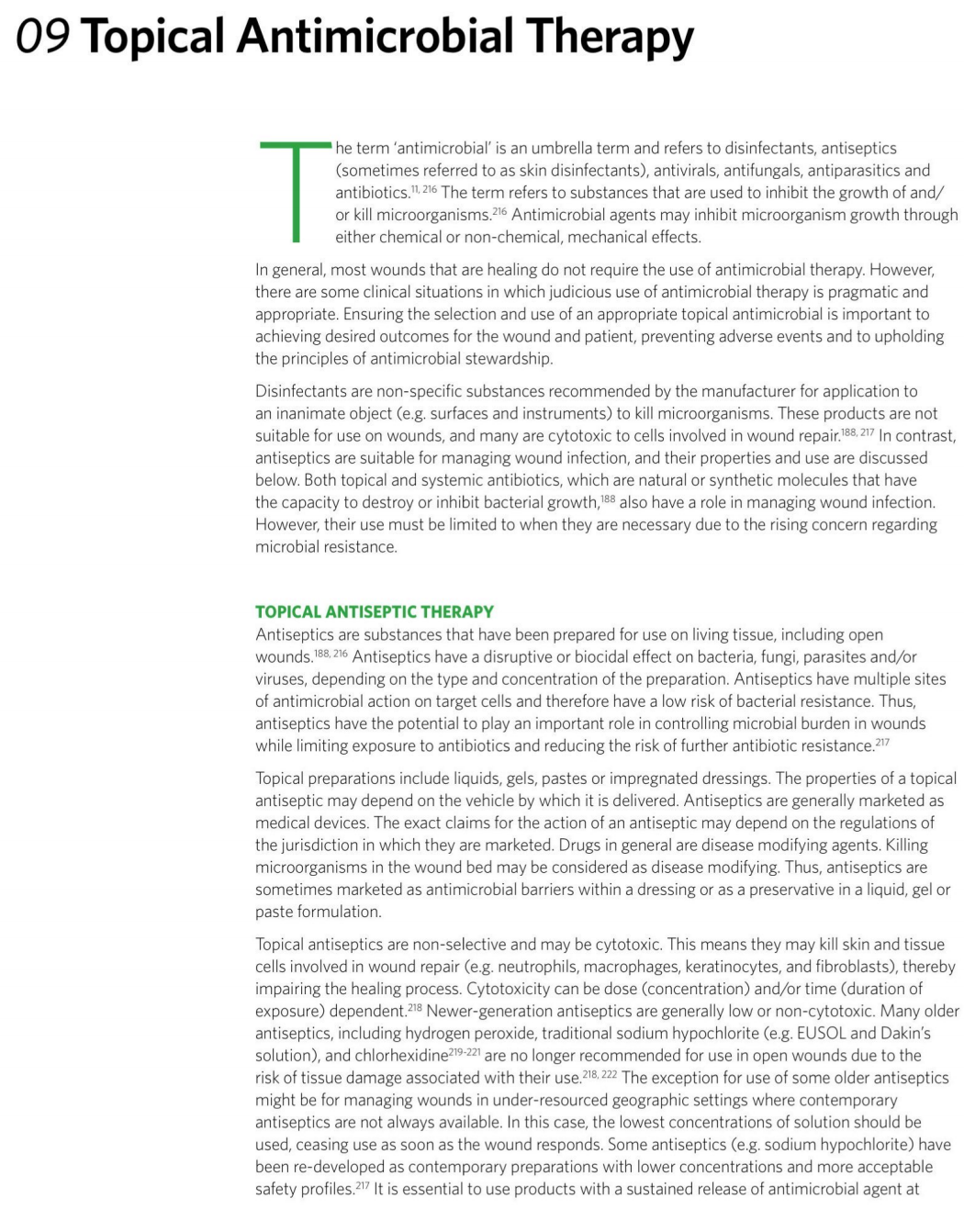
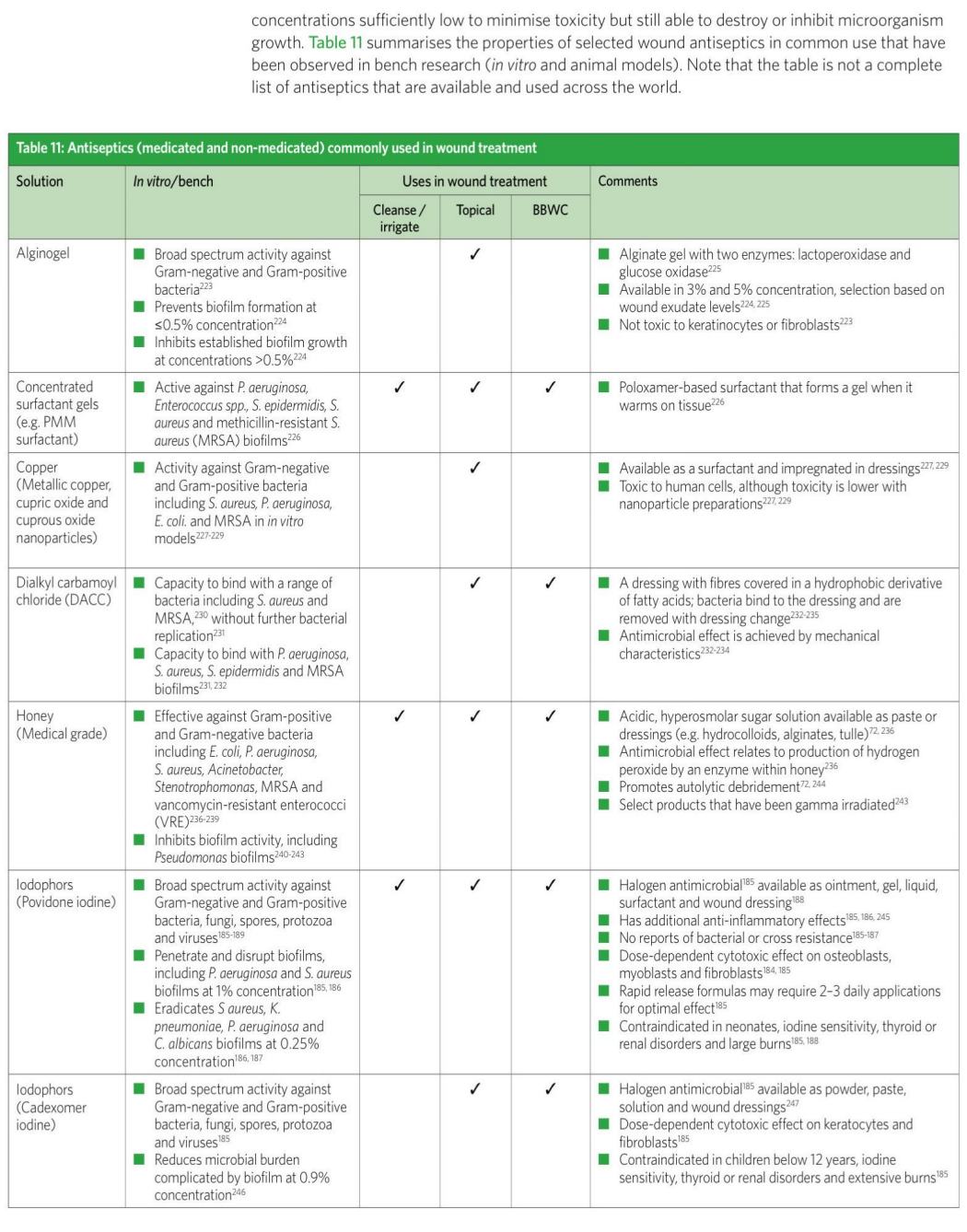
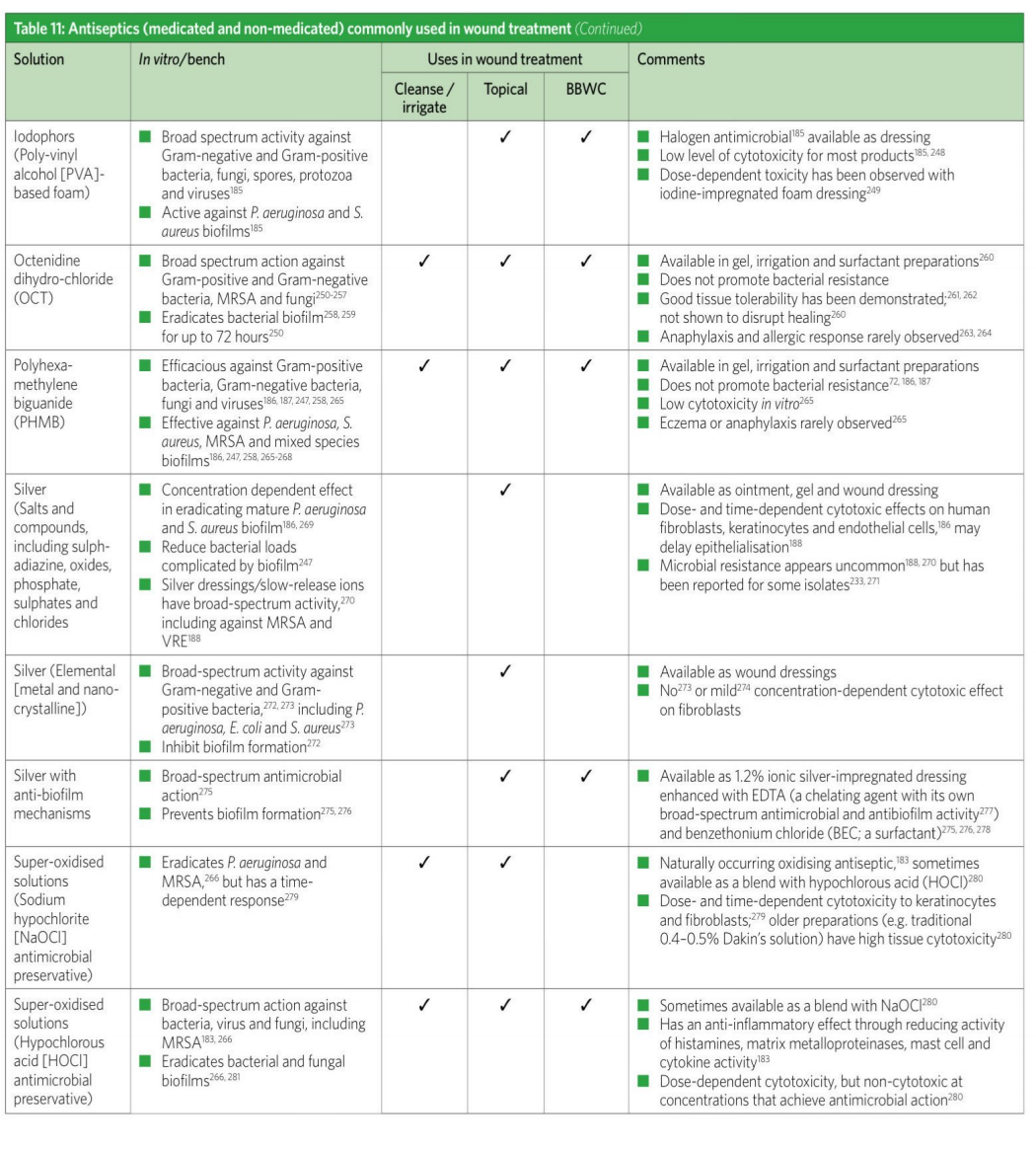
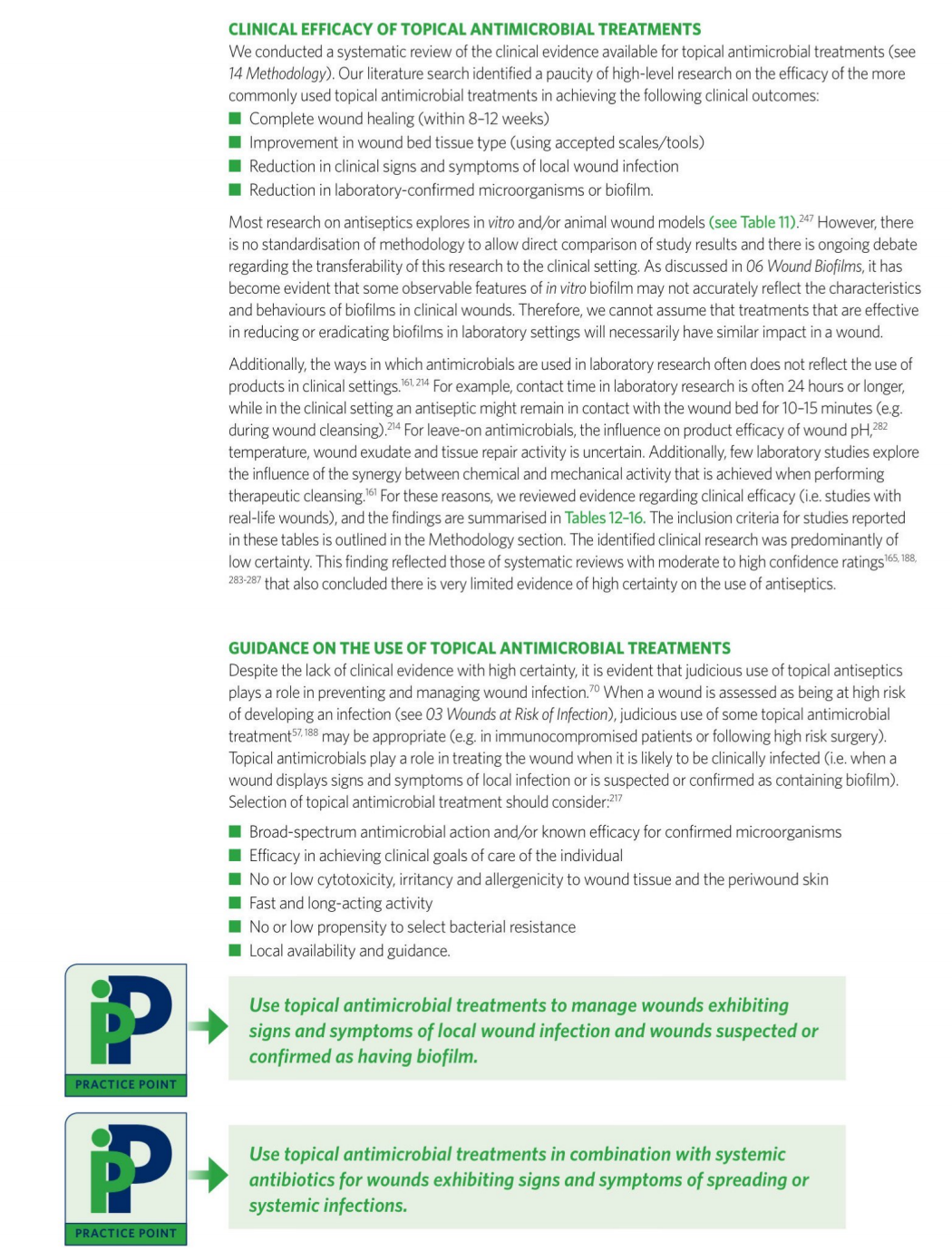
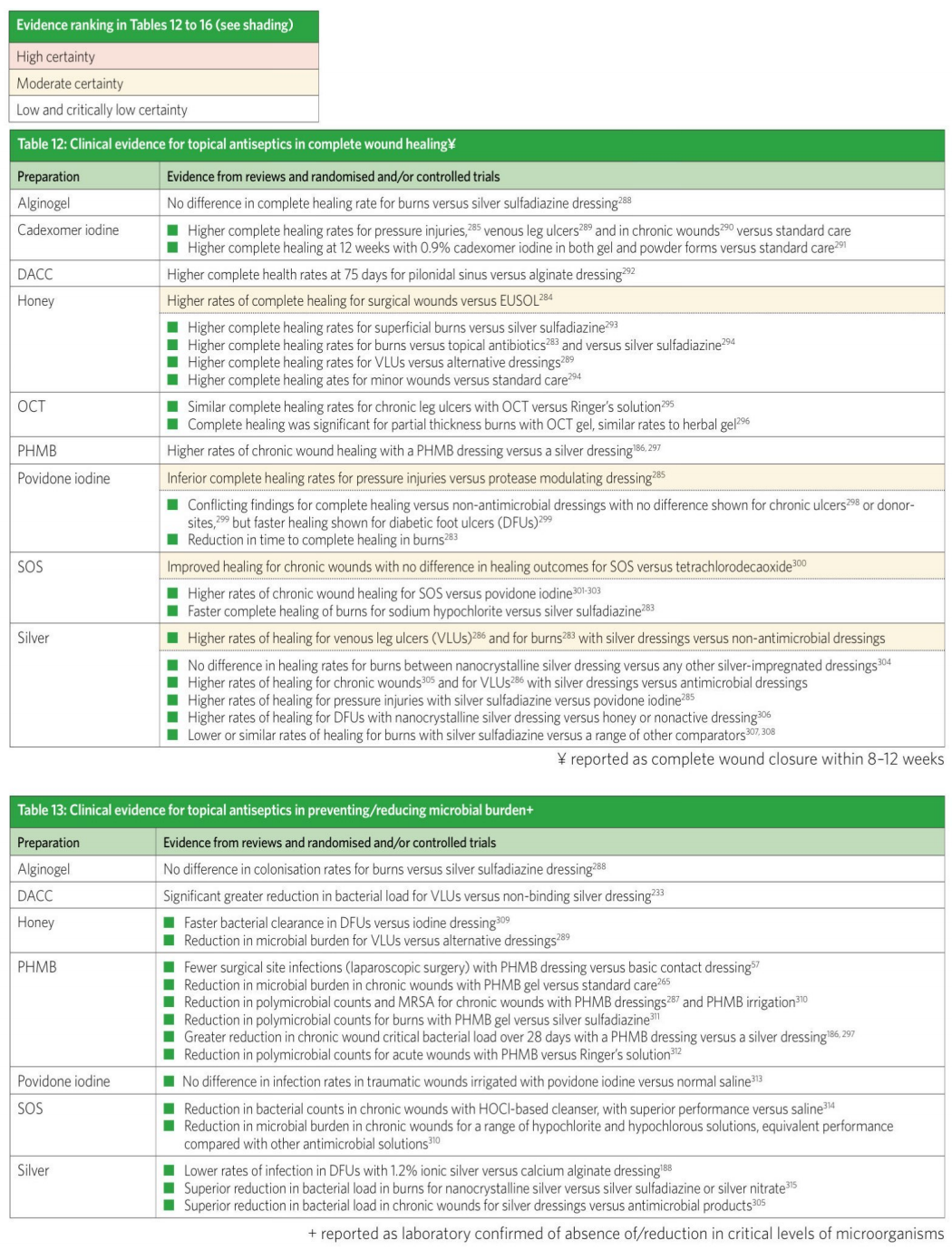
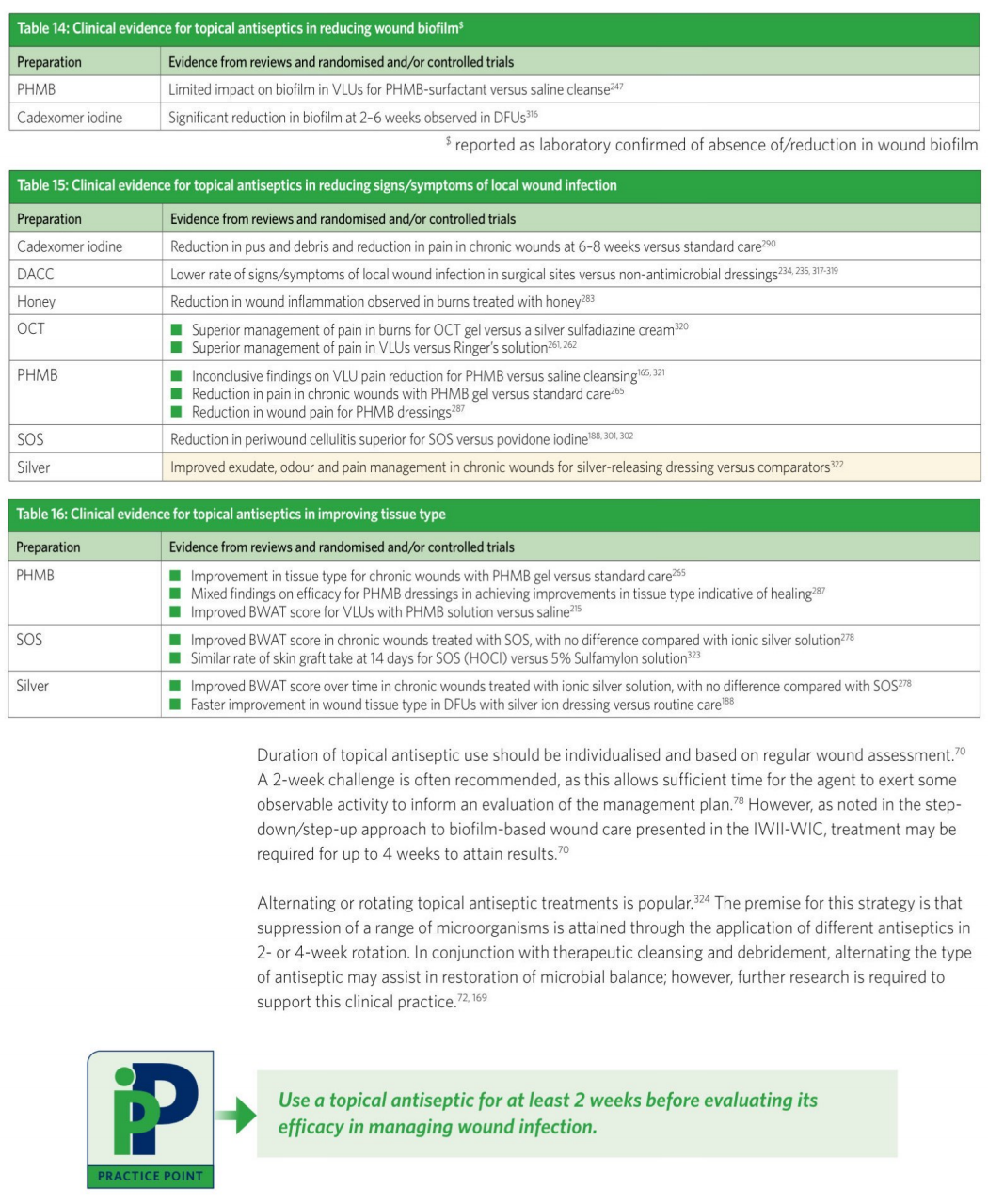
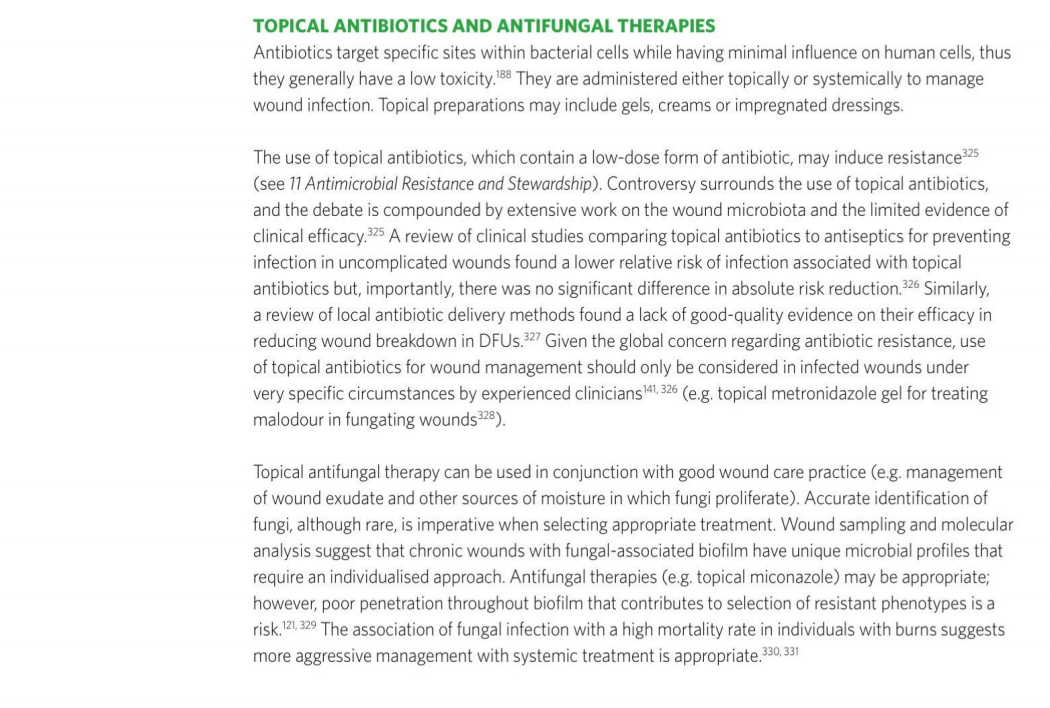
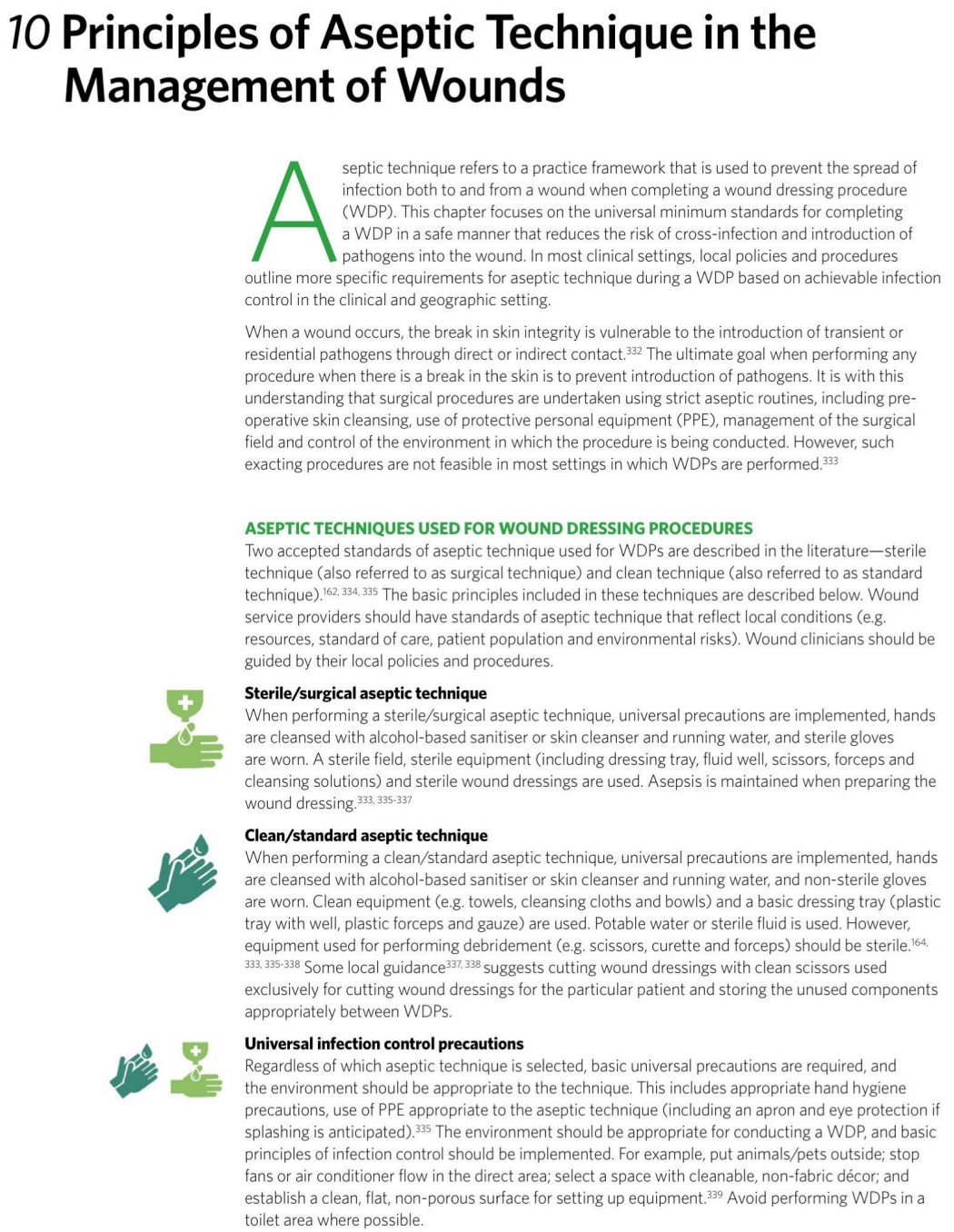
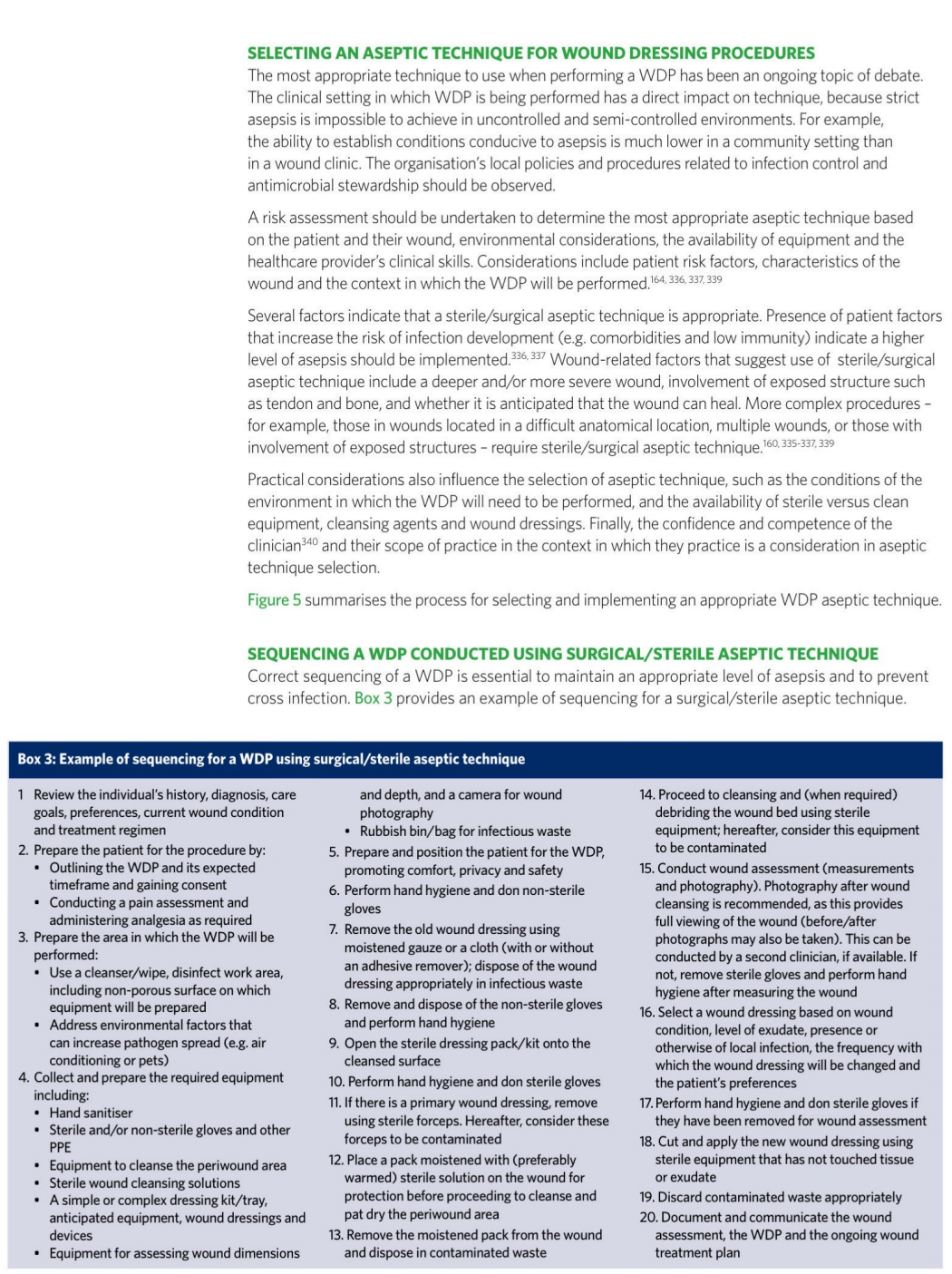

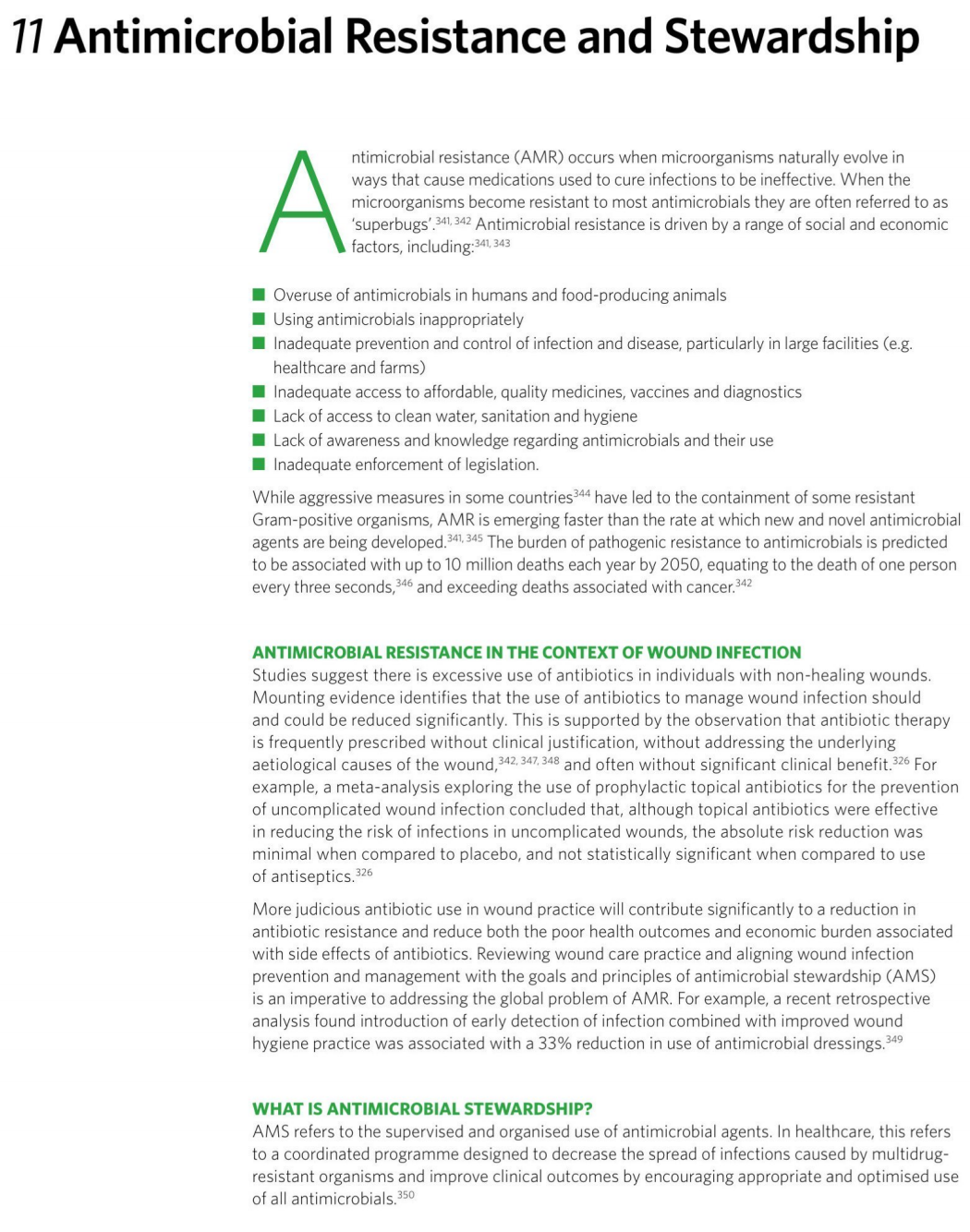
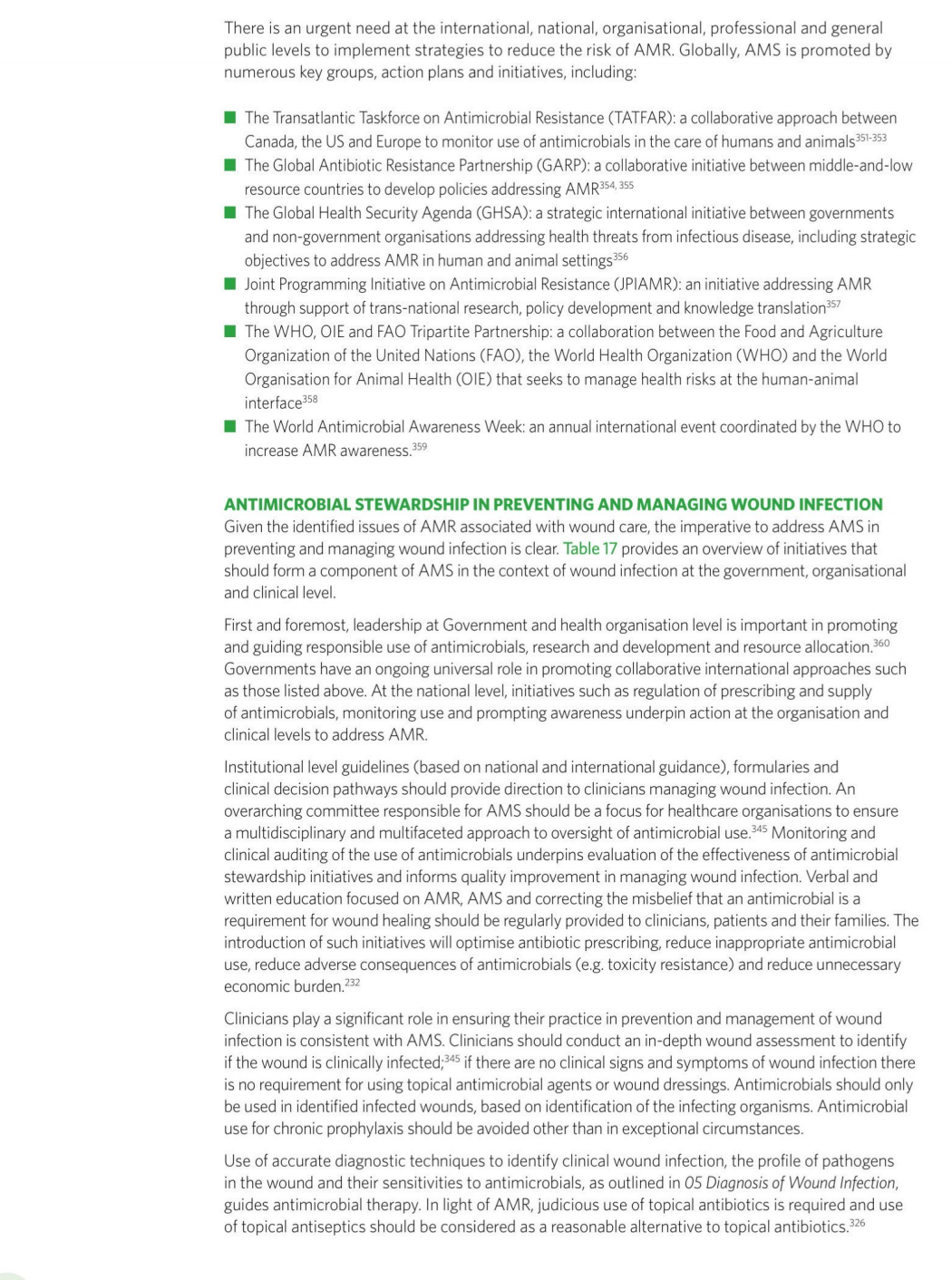
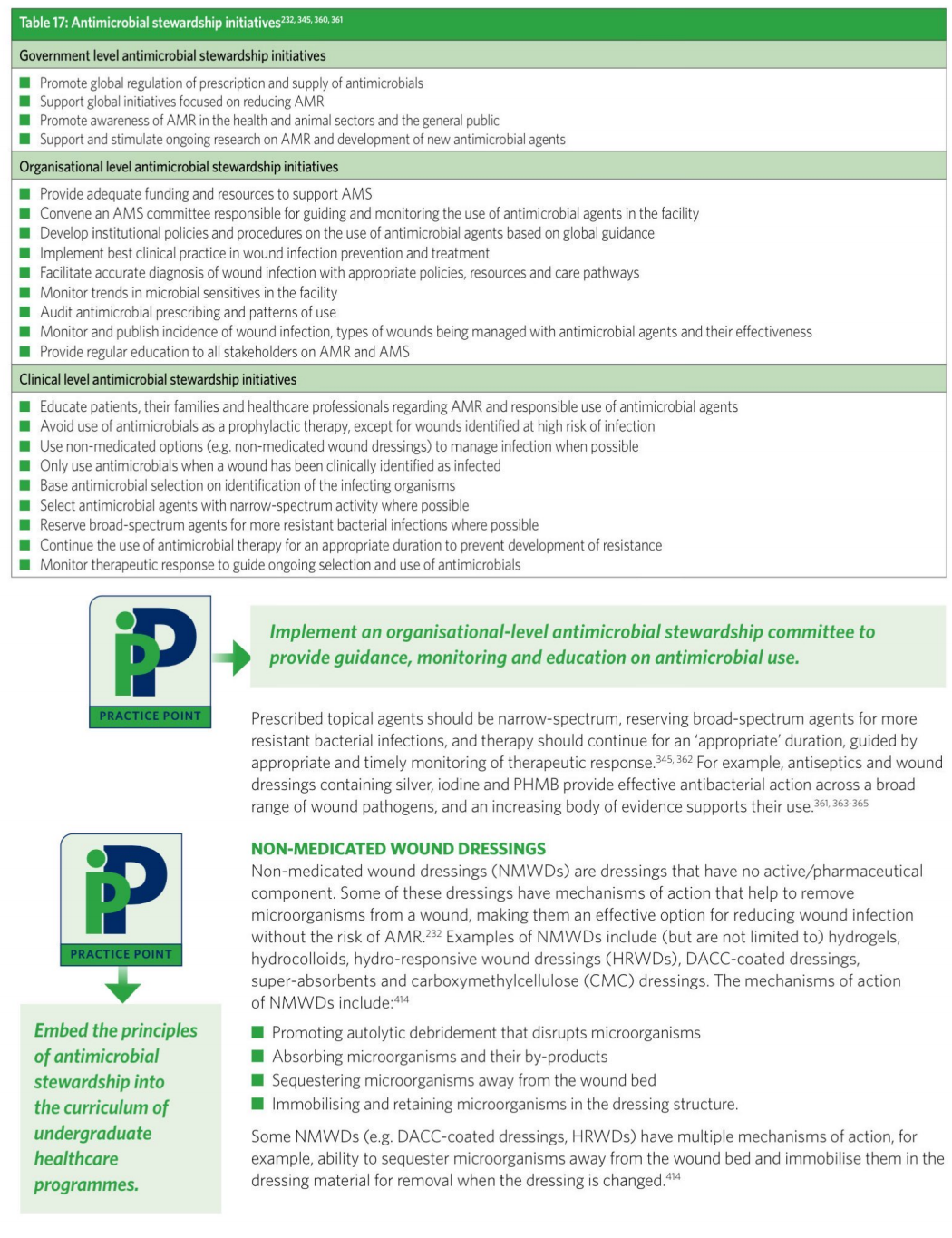
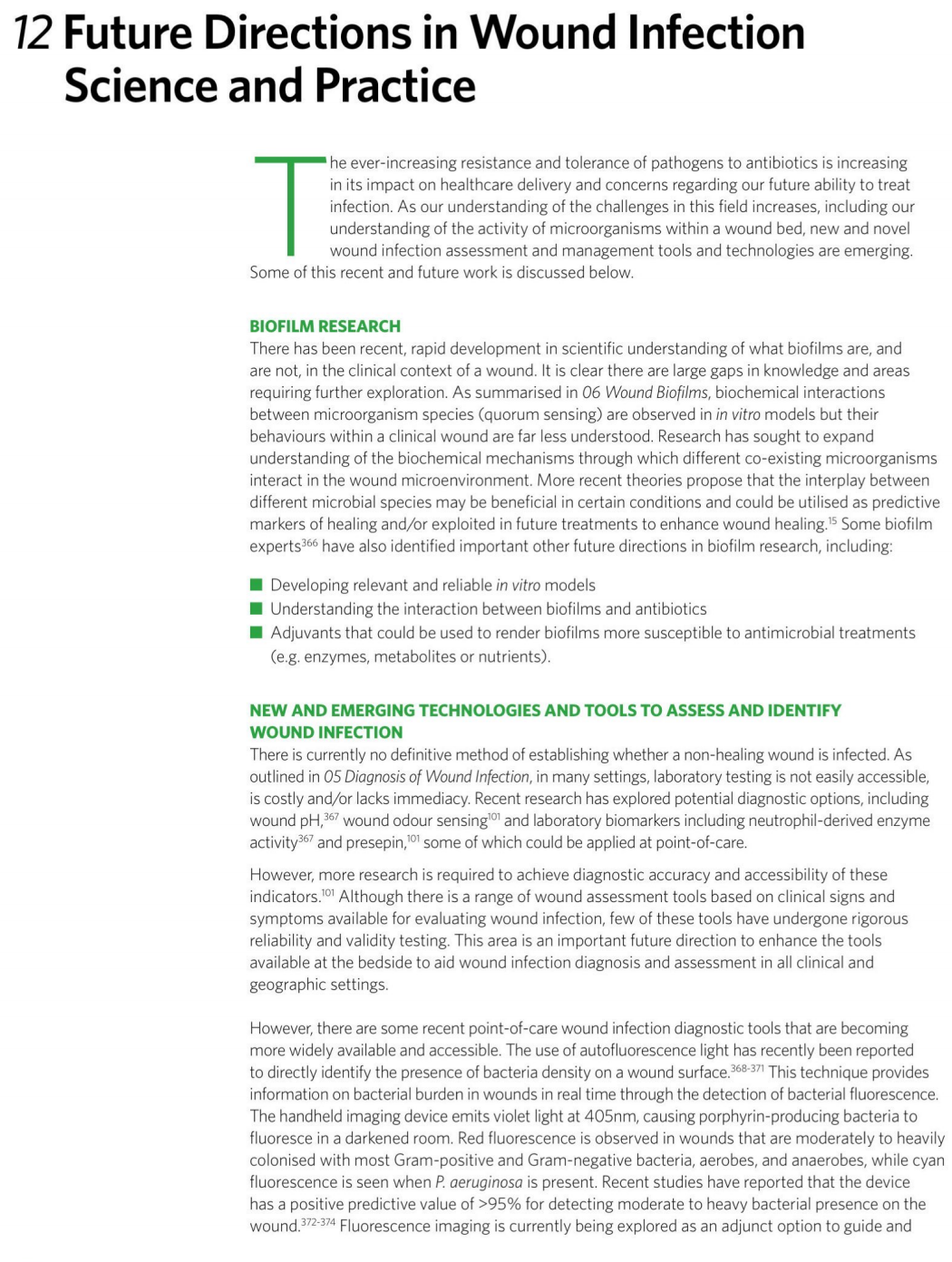
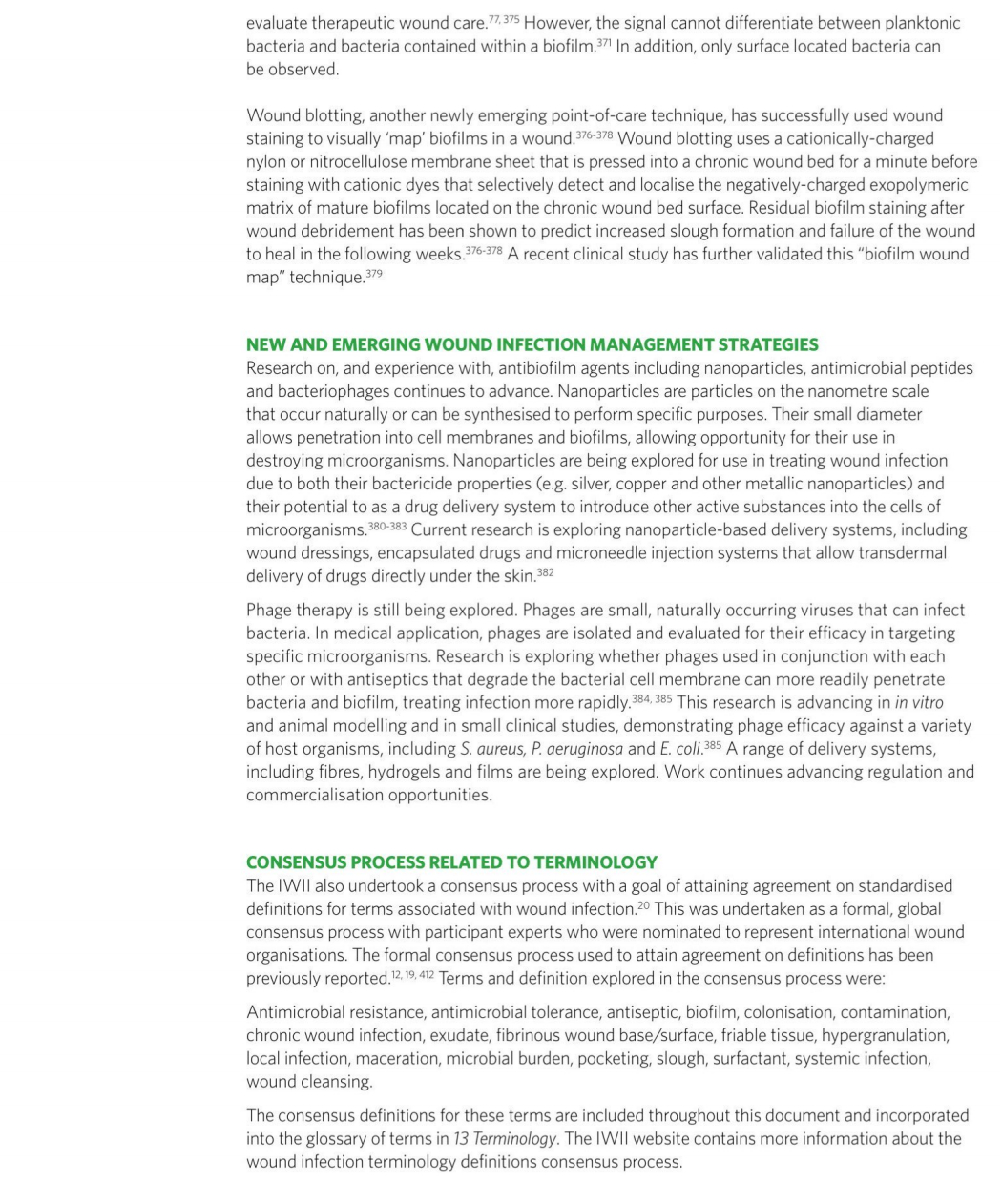
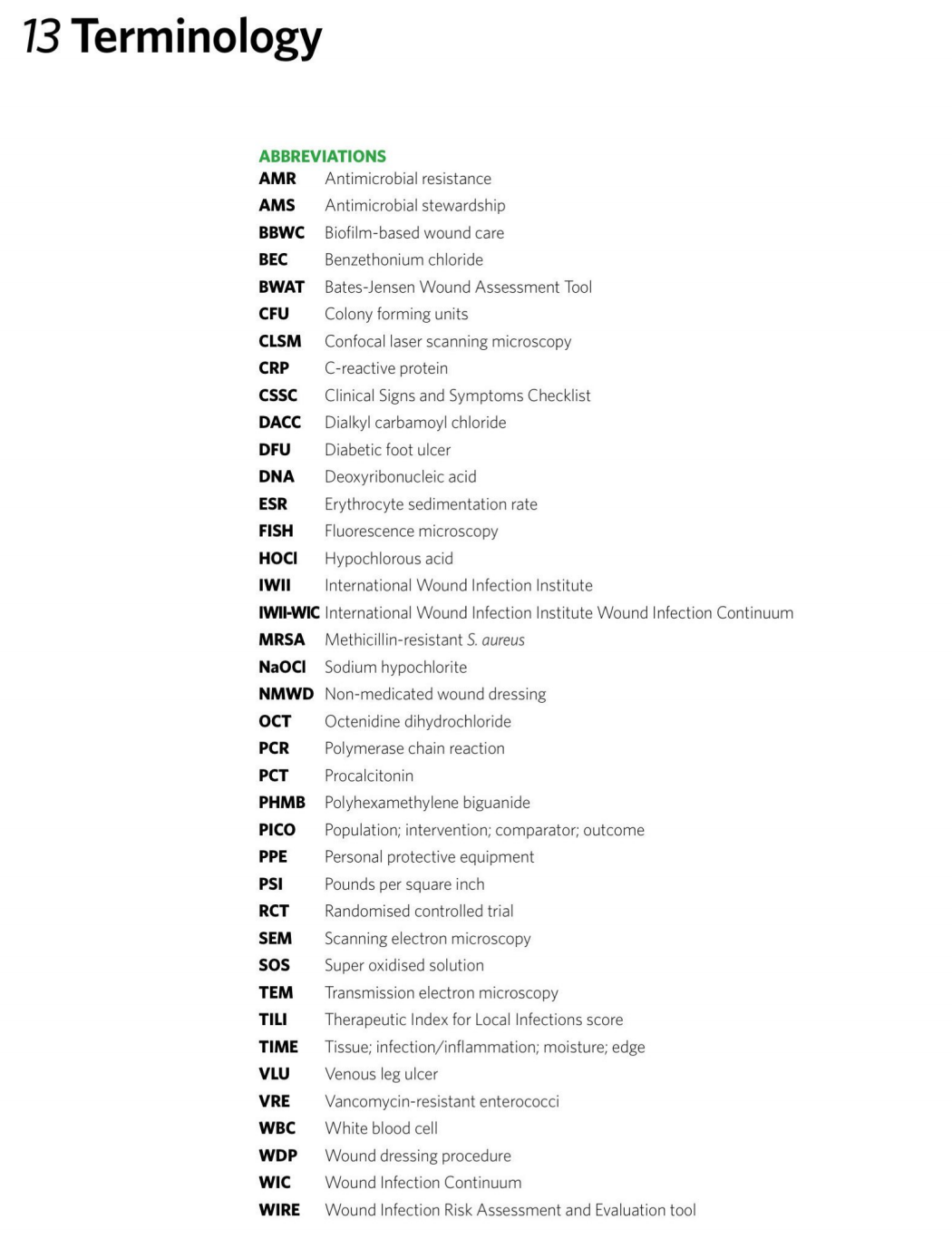
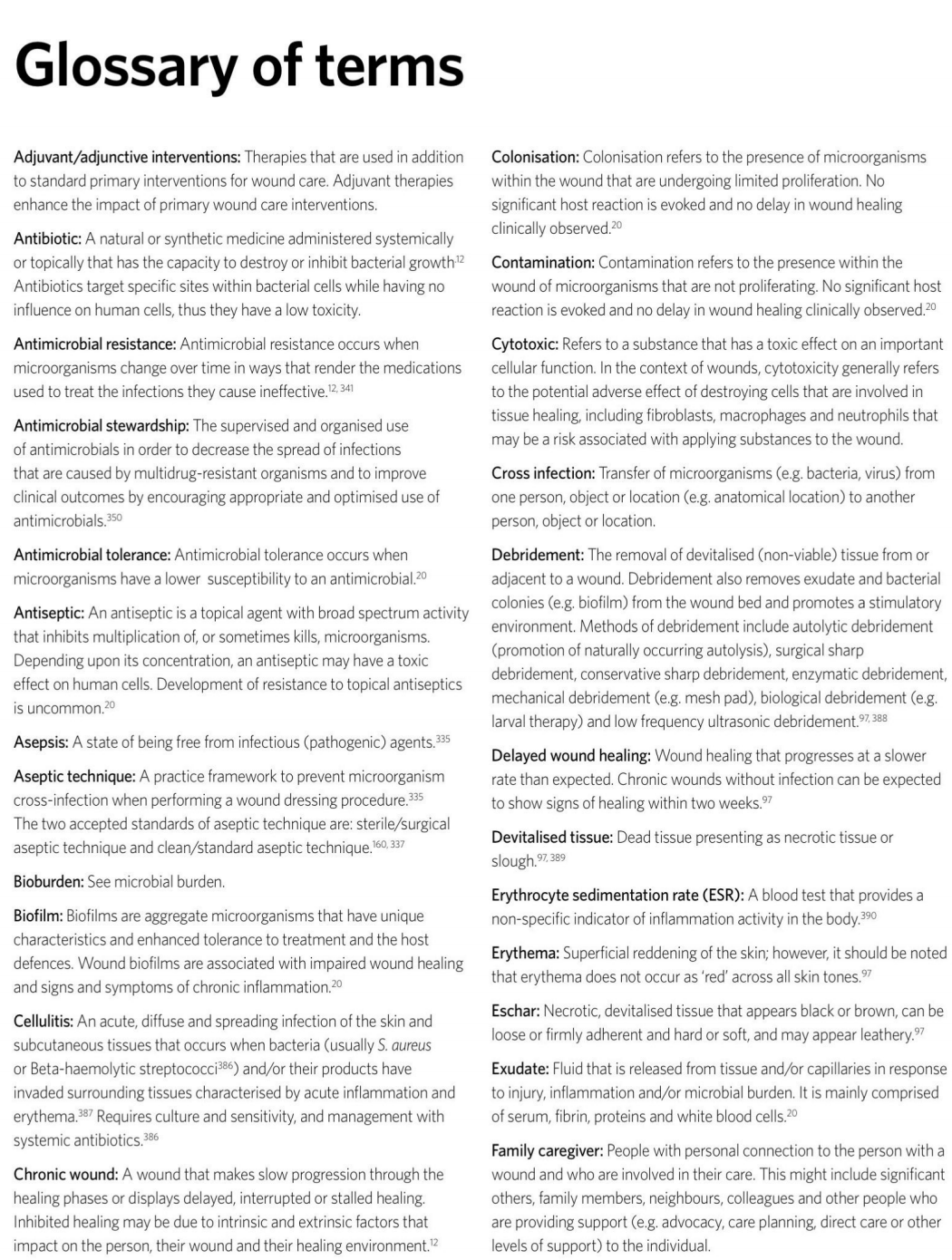

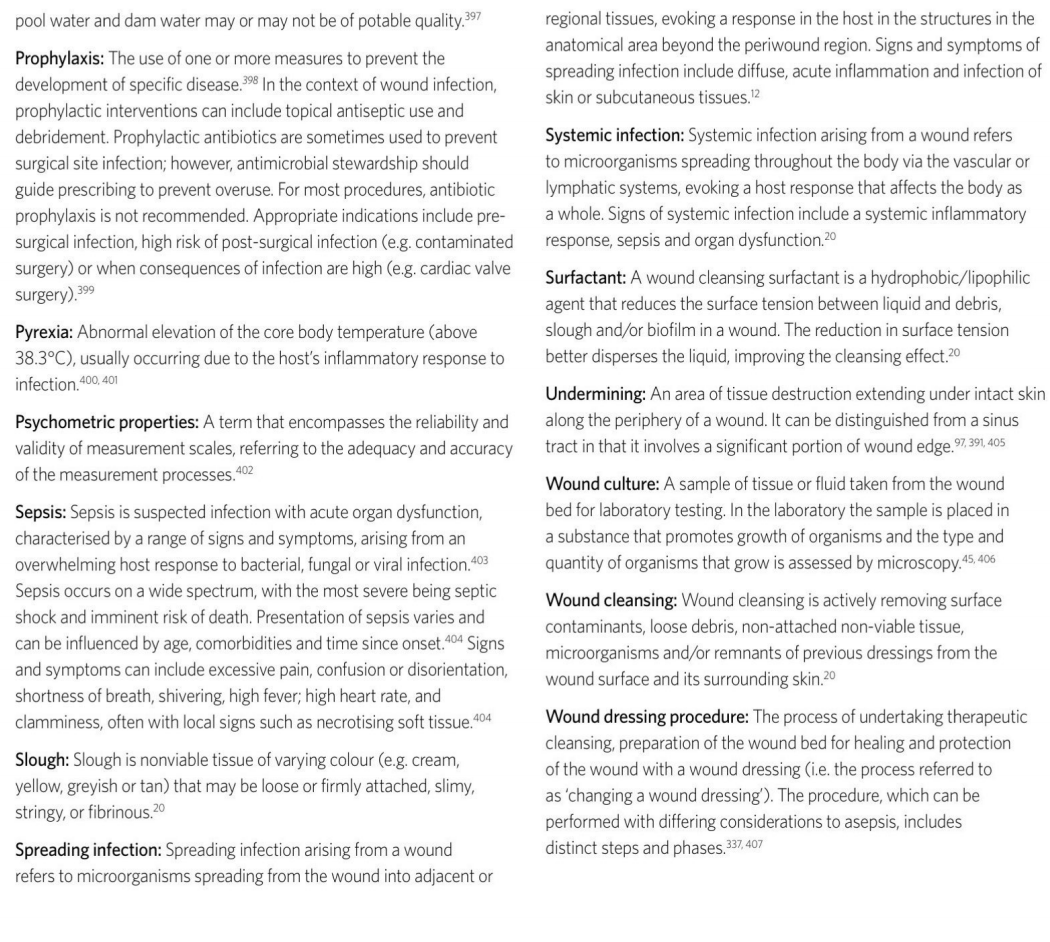
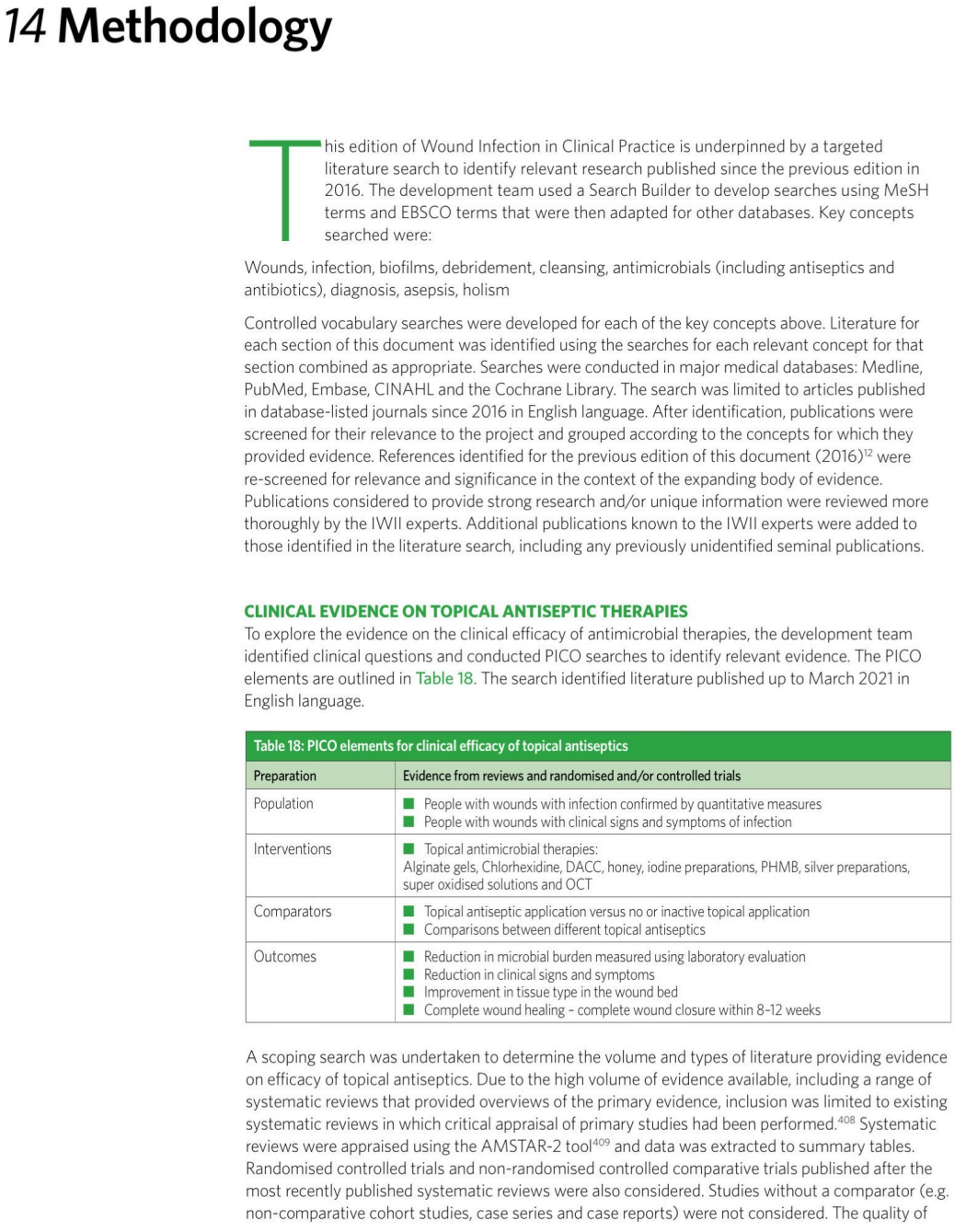
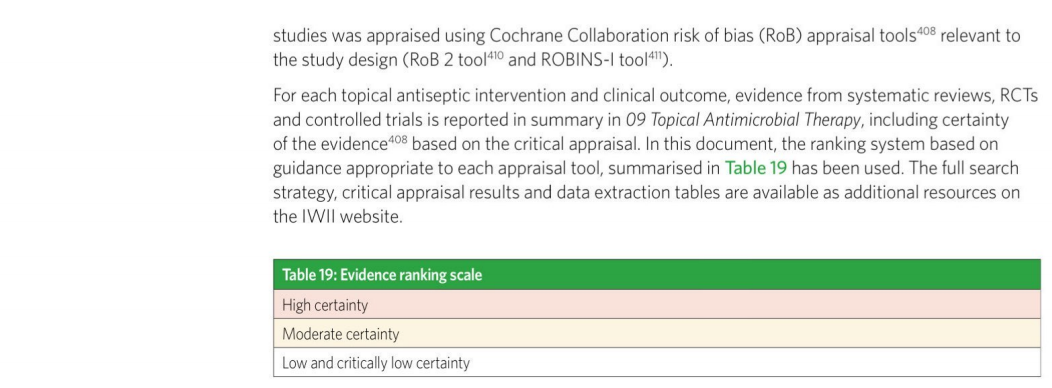
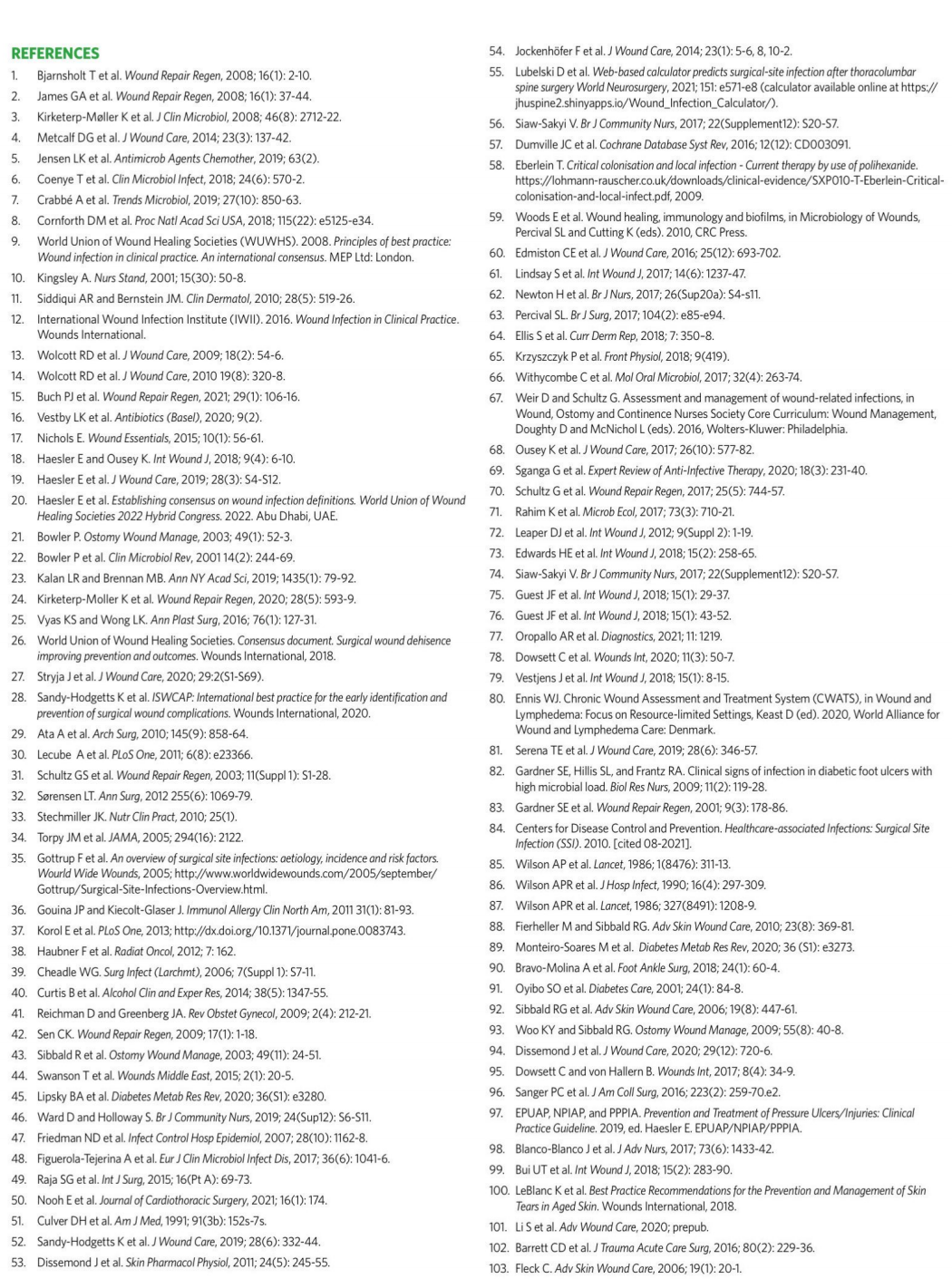
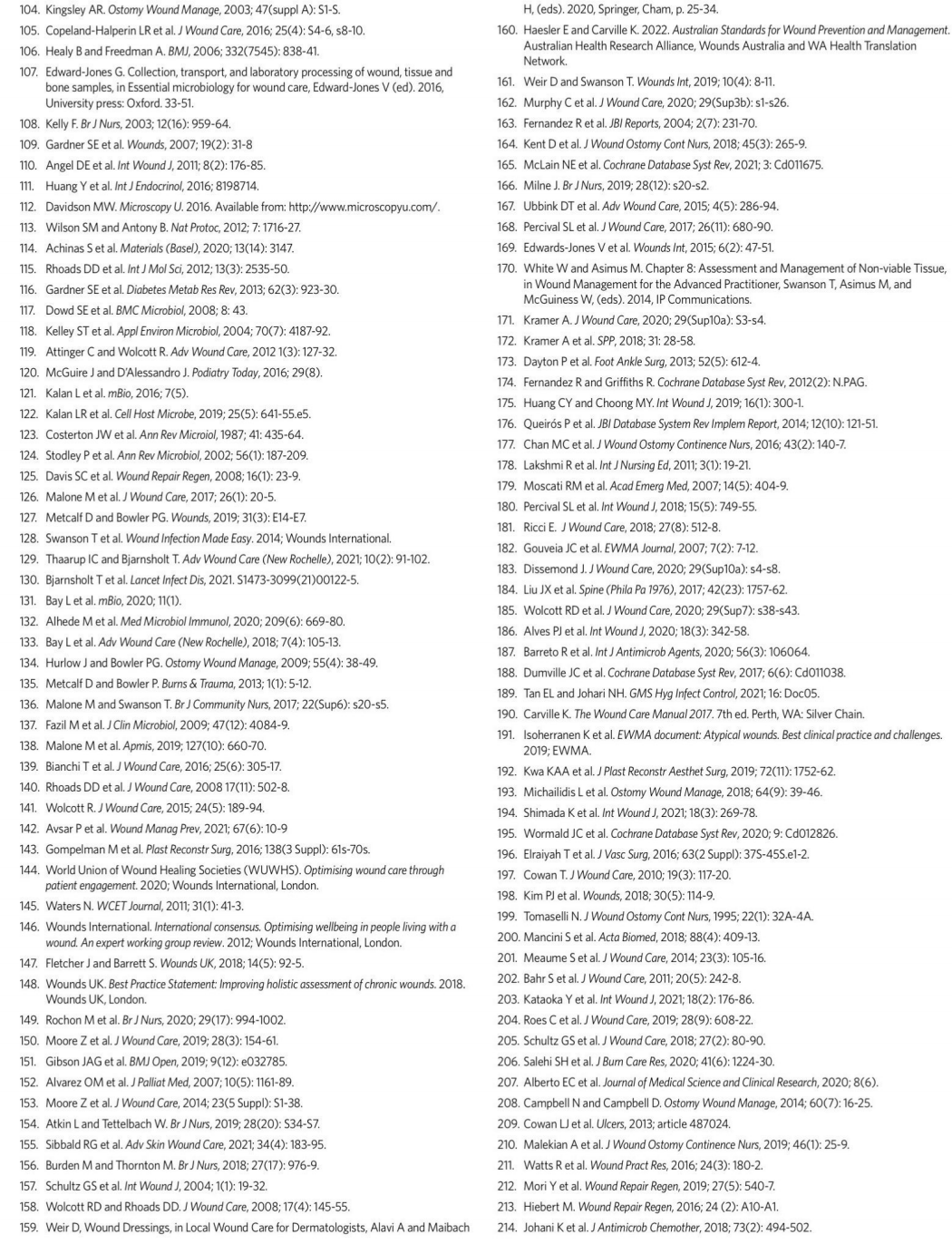
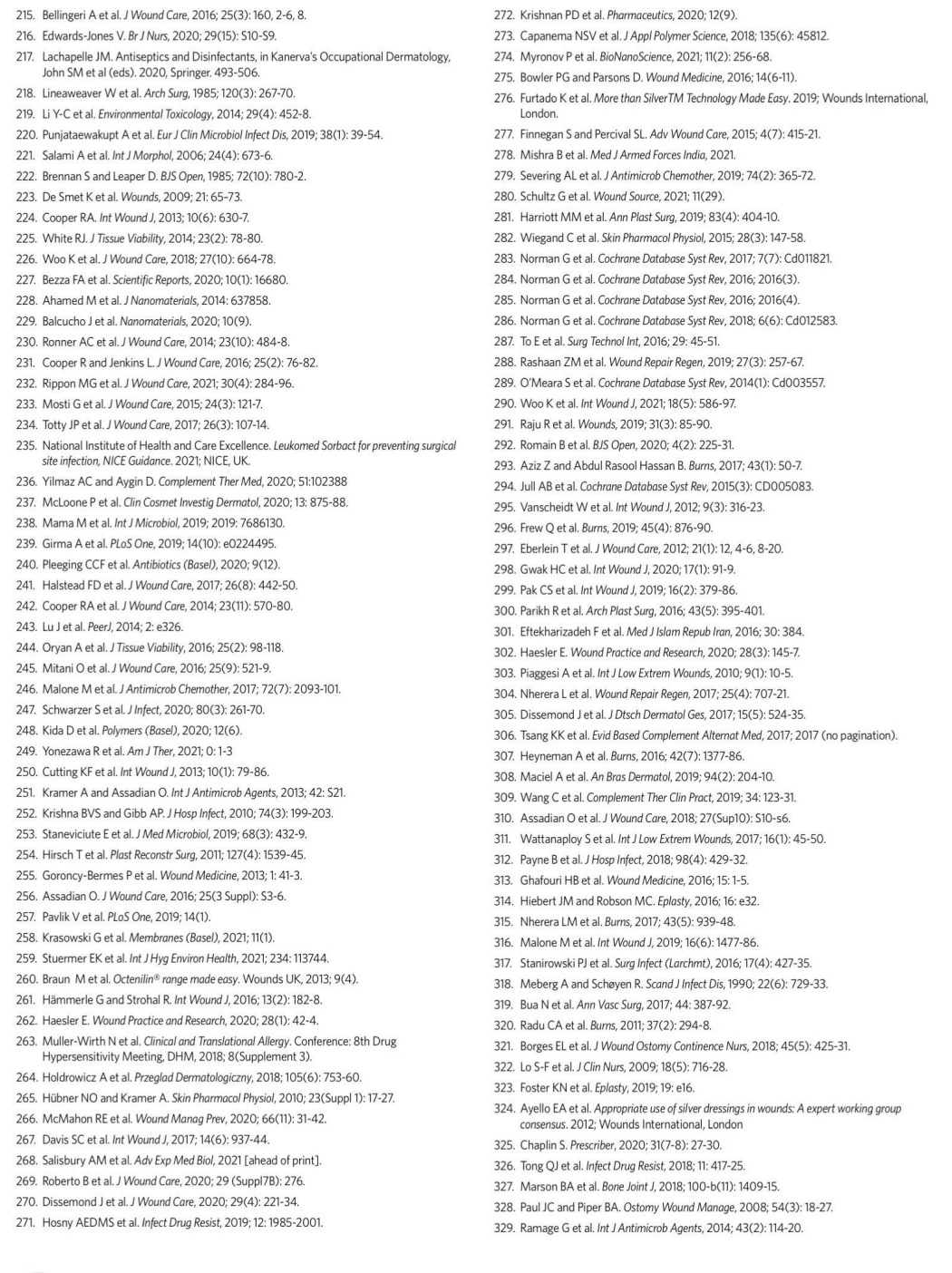
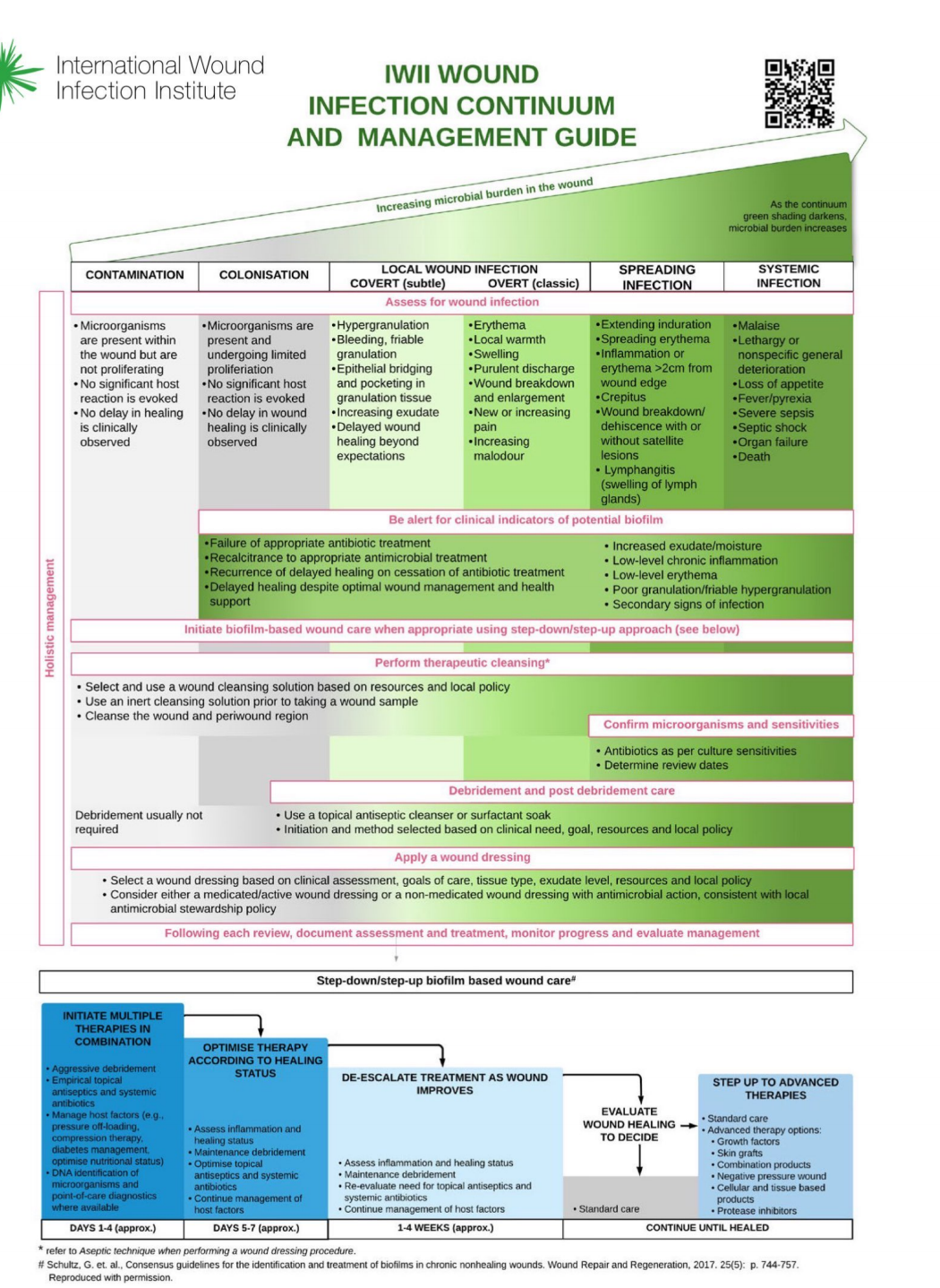
This article is excerpted from the INTERNATIONAL CONSENSUS UPDATE 2022 by Wound World.


- 星期三, 16 4月 2025
次氯酸在伤口护理中的应用研究进展
王昳娜 1 ,何振华 1* ,周 瑾 1 ,孙晓芬 2
- 绍兴文理学院元培学院,浙江 312000;2.浙江中医药大学附属第二医院
Research progress on the application of hypochlorous acid in wound care WANG Yi'na,HE Zhenhua,ZHOU Jin,SUN Xiaofen Shaoxing University,Yuanpei College,Zhejiang 312000 China Keywords hypochlorous acid solution;wound;infection;bacterial biofilm;clinical application;review
摘要
介绍了次氯酸溶液的发展史、杀菌机制、特点、与其他伤口清洁消毒剂的比较、使用方法以及当前研究的不足,旨在为次氯酸溶液在伤口治疗、护理中的应用提供依据。
关键词
次氯酸溶液;伤口;感染;细菌生物膜;临床应用;综述
doi:10. 12102/j. issn. 1009-6493. 2021. 16. 016

- 星期二, 15 4月 2025
Consensus on Wound Antisepsis: Update 2018
Axel Kramer a Joachim Dissemond c Simon Kim b Christian Willy d Dieter Mayer e Roald Papke a Felix Tuchmann f Ojan Assadian g
a Institute of Hygiene and Environmental Medicine and b Department of Trauma, Reconstructive Surgery and Rehabilitation Medicine, University Medicine Greifswald, Greifswald , c Department of Dermatology, Venerology and Allergology, University Hospital Essen, Essen , and d Department of Trauma Surgery, Orthopedics, Reconstructive, Plastic and Hand Surgery, Bundeswehr Hospital, Berlin , Germany; e Department of Surgery, Kantonsspital Freiburg, Freiburg , Switzerland; f Department of Dermatology and g Department of Infection Control and Hospital Epidemiology, Medical University of Vienna, Vienna General Hospital, Vienna , Austria
Keywords
Wound antisepsis · Wounds-at-Risk Score · Antiseptics · Drug · Medical device · Octenidine · Polihexanide · Hypochlorite · Iodophors · Taurolidine · Silver ions · Acetic acid · Negative pressure wound therapy with the instillation of antiseptics · Physical body warm atmospheric plasma · Silver sulfadiazine · Dyes · Mercury compounds · Hydrogen peroxide

- 星期一, 14 4月 2025
Antiaging Potential of Lipophilic Extracts of Caulerpa prolifera
Gonçalo P. Rosa 1,2 , Maria Carmo Barreto 1 , Ana M. L. Seca 1,2 and Diana C. G. A. Pinto 2,*
1 University of the Azores, Faculty of Sciences and Technology, Centre for Ecology, Evolution and Environmental Changes (cE3c), Azorean Biodiversity Group & Global Change and Sustainability Institute (CHANGE), 9501-321 Ponta Delgada, Portugal; 该Email地址已收到反垃圾邮件插件保护。要显示它您需要在浏览器中启用JavaScript。 (G.P.R.); 该Email地址已收到反垃圾邮件插件保护。要显示它您需要在浏览器中启用JavaScript。 (M.C.B.); 该Email地址已收到反垃圾邮件插件保护。要显示它您需要在浏览器中启用JavaScript。 (A.M.L.S.)
2 LAQV-REQUIMTE, Department of Chemistry, University of Aveiro, Campus Universitário de Santiago, 3810-193 Aveiro, Portugal
* Correspondence: 该Email地址已收到反垃圾邮件插件保护。要显示它您需要在浏览器中启用JavaScript。
Academic Editor: Charlotte Jacobsen
Received: 26 December 2024
Revised: 3 February 2025
Accepted: 11 February 2025
Published: 14 February 2025
Citation: Rosa, G.P.; Barreto, M.C.; Seca, A.M.L.; Pinto, D.C.G.A. Antiaging Potential of Lipophilic Extracts of Caulerpa prolifera. Mar.
Drugs 2025, 23, 83. https:// doi.org/10.3390/md23020083
Copyright: © 2025 by the authors. Licensee MDPI, Basel, Switzerland.
This article is an open access article distributed under the terms and conditions of the Creative Commons Attribution (CC BY) license
(https://creativecommons.org/ licenses/by/4.0/).
Abstract: The cosmeceutical industry has increasingly turned its attention to marine macroalgae, recognizing their significant bioactive potential as sources of natural compounds for skincare applications. A growing number of products now incorporate extracts or isolated compounds from various macroalgae species. However, many species remain underexplored, highlighting a valuable opportunity for further research. Among these, Caulerpa prolifera (Forsskål) J.V. Lamouroux has emerged as a promising candidate for cosmeceutical applications. This study provides the most comprehensive phytochemical assessment of C. prolifera to date, revealing its potential as a source of bioactive extracts and compounds. The analysis identified key components of its lipophilic profile, predominantly saturated and unsaturated fatty acids, alongside di-(2-ethylhexyl) phthalate—an endocrine disruptor potentially biosynthesized or bioaccumulated by the algae. While the crude extract exhibited moderate tyrosinase inhibitory activity, its overall antioxidant capacity was limited. Fractionation of the extract, however, yielded subfractions with distinct bioactivities linked to changes in chemical composition. Notably, enhanced inhibitory activities against elastase and collagenase were observed in subfractions enriched with 1-octadecanol and only traces of phthalate. Conversely, antioxidant activity diminished with the loss of specific compounds such as β-sitosterol, erucic acid, nervonic acid, and lignoceric acid. This work advances the understanding of the relationship between the chemical composition of C. prolifera and its bioactivities, emphasizing its potential as a source of cosmeceutical ingredients, leading to a more comprehensive valorization of this macroalga.
Keywords: macroalgae; phytochemical profile; cosmeceutical potential

- 星期五, 11 4月 2025
Sustainable Skincare Innovation: Cork Powder Extracts as Active Ingredients for Skin Aging
Ana Silva 1,2,† , Cláudia Pinto 3,4,†, Sara Cravo 3,4 , Sandra Mota 5,6 , Liliana Rego 5,6 , Smeera Ratanji 6,7 , Clara Quintas 6,7, Joana Rocha e Silva 8 , Carlos Afonso 3,4 , Maria Elizabeth Tiritan 3,4,9,10 , Honorina Cidade 3,4,10,* , Teresa Cruz 1,2,* and Isabel F. Almeida 5,6
1 Faculty of Pharmacy, University of Coimbra, 3000-548 Coimbra, Portugal; 该Email地址已收到反垃圾邮件插件保护。要显示它您需要在浏览器中启用JavaScript。
2 CIBB—Center for Innovative Biomedicine and Biotechnology/CNC—Center for Neuroscience and Cell Biology, University of Coimbra, 3004-504 Coimbra, Portugal
3 Laboratory of Organic and Pharmaceutical Chemistry, Department of Chemical Sciences, Faculty of Pharmacy, University of Porto, Rua Jorge Viterbo Ferreira 228, 4050-313 Porto, Portugal; 该Email地址已收到反垃圾邮件插件保护。要显示它您需要在浏览器中启用JavaScript。 (C.P.); 该Email地址已收到反垃圾邮件插件保护。要显示它您需要在浏览器中启用JavaScript。 (S.C.); 该Email地址已收到反垃圾邮件插件保护。要显示它您需要在浏览器中启用JavaScript。 (C.A.); 该Email地址已收到反垃圾邮件插件保护。要显示它您需要在浏览器中启用JavaScript。 (M.E.T.)
4 CIIMAR–Interdisciplinary Centre of Marine and Environmental Research, University of Porto, Avenida General Norton de Matos, S/N, 4450-208 Matosinhos, Portugal
5 UCIBIO—Applied Molecular Biosciences Unit, Department of Drug Sciences, Faculty of Pharmacy, University of Porto, R. Jorge Viterbo Ferreira 228, 4050-313 Porto, Portugal; 该Email地址已收到反垃圾邮件插件保护。要显示它您需要在浏览器中启用JavaScript。 (S.M.); 该Email地址已收到反垃圾邮件插件保护。要显示它您需要在浏览器中启用JavaScript。 (L.R.); 该Email地址已收到反垃圾邮件插件保护。要显示它您需要在浏览器中启用JavaScript。 (I.F.A.)
6 Associate Laboratory i4HB—Institute for Health and Bioeconomy, Faculty of Pharmacy, University of Porto, R. Jorge Viterbo Ferreira 228, 4050-313 Porto, Portugal; 该Email地址已收到反垃圾邮件插件保护。要显示它您需要在浏览器中启用JavaScript。 (S.R.); 该Email地址已收到反垃圾邮件插件保护。要显示它您需要在浏览器中启用JavaScript。 (C.Q.)
7 UCIBIO—Applied Molecular Biosciences Unit, Laboratory of Pharmacology, Department of Drug Sciences, Faculty of Pharmacy, University of Porto, R. Jorge Viterbo Ferreira 228, 4050-313 Porto, Portugal
8 Dimas & Silva, Lda. Industry, Rua Central de Goda 345, 4535-167 Mozelos, Portugal; 该Email地址已收到反垃圾邮件插件保护。要显示它您需要在浏览器中启用JavaScript。
9 TOXRUN—Toxicology Research Unit, University Institute of Health Sciences, CESPU, CRL, 4585-116 Gandra, Portugal 10 UNIPRO—Oral Pathology and Rehabilitation Research Unit, University Institute of Health Sciences (CESPU), 4585-116 Gandra, Portugal
* Correspondence: 该Email地址已收到反垃圾邮件插件保护。要显示它您需要在浏览器中启用JavaScript。 (H.C.); 该Email地址已收到反垃圾邮件插件保护。要显示它您需要在浏览器中启用JavaScript。 (T.C.)
† These authors equally contributed to this work.
Academic Editor: Chung-Yi Chen
Received: 18 December 2024
Revised: 11 January 2025
Accepted: 14 January 2025
Published: 17 January 2025
Citation: Silva, A.; Pinto, C.; Cravo, S.; Mota, S.; Rego, L.; Ratanji, S.; Quintas, C.; Silva, J.R.e.; Afonso, C.; Tiritan, M.E.; et al. Sustainable Skincare Innovation: Cork Powder
Extracts as Active Ingredients for Skin Aging. Pharmaceuticals 2025, 18, 121.
https://doi.org/10.3390/ ph18010121
Copyright: © 2025 by the authors. Licensee MDPI, Basel, Switzerland. This article is an open access article distributed under the terms and conditions of the Creative Commons Attribution (CC BY) license
(https://creativecommons.org/ licenses/by/4.0/)
Abstract: Background: An emerging practice within the concept of circular beauty involves the upcycling of agro-industrial by-products. Cork processing, for instance, yields byproducts like cork powder, which presents an opportunity to create value-added cosmetic ingredients. Building upon our previous research, demonstrating the antioxidant potential of hydroalcoholic extracts derived from two distinct cork powders (P0 and P1), in this work, aqueous extracts were prepared and analyzed. The safety and bioactivities of the newly obtained aqueous extracts, as well as the 30% ethanol extracts, previously reported to be the most promising for skin application, were also evaluated.
Methods: Aqueous extracts were obtained from cork powders (P0 and P1) and the identification and quantification of some polyphenols was achieved by liquid chromatography (LC). Antioxidant potential was screened by DPPH method and the bioactivity and safety of extracts were further explored using cell-based assays.
Results: All extracts exhibited a reduction in age-related markers, including senescence-associated beta-galactosidase (SA-β-gal) activity. Additionally, they demonstrated a pronounced anti-inflammatory effect by suppressing the production of several pro-inflammatory mediators in macrophages upon lipopolysaccharide stimulation. Moreover, the extracts upregulated genes and proteins associated with antioxidant activity, such as heme oxygenase 1. The aqueous extract from P1 powder was especially active in reducing pro-inflammatory mediators, namely the Nos2 gene, inducible nitric oxide protein levels, and nitric oxide production. Moreover, it did not induce skin irritation, as assessed by the EpiSkin test, in compliance with the OECD Test Guidelines.
Conclusions: Overall, our findings underscore the potential of aqueous extracts derived from cork waste streams to mitigate various hallmarks of skin aging, including senescence and inflammaging, and their suitability for incorporation into cosmetics formulations. These results warrant further exploration for their application in the pharmaceutical and cosmetic industries and could foster a sustainable and circular bioeconomy.
Keywords: cosmetics; cork extracts; skin aging; sustainability; senescence; inflammaging; circular economy

- 星期四, 10 4月 2025
Nicotinamide: A Multifaceted Molecule in Skin Health and Beyond
Lara Camillo, Elisa Zavattaro and Paola Savoia *
Department of Health Science, Università del Piemonte Orientale, 28100 Novara, Italy;
该Email地址已收到反垃圾邮件插件保护。要显示它您需要在浏览器中启用JavaScript。 (L.C.); 该Email地址已收到反垃圾邮件插件保护。要显示它您需要在浏览器中启用JavaScript。 (E.Z.)
* Correspondence: 该Email地址已收到反垃圾邮件插件保护。要显示它您需要在浏览器中启用JavaScript。; Tel.: +39-0321-373-3387
Academic Editor: Adam Reich
Received: 30 December 2024
Revised: 23 January 2025
Accepted: 27 January 2025
Published: 1 February 2025
Citation: Camillo, L.; Zavattaro, E.; Savoia, P. Nicotinamide: A
Multifaceted Molecule in Skin Health and Beyond. Medicina 2025, 61, 254.
https://doi.org/10.3390/ medicina61020254
Copyright: © 2025 by the authors. Published by MDPI on behalf of the Lithuanian University of Health Sciences. Licensee MDPI, Basel, Switzerland. This article is an open access article distributed under the terms and conditions of the Creative Commons Attribution (CC BY) license (https://creativecommons.org/ licenses/by/4.0/)
Abstract: Nicotinamide (NAM), the amide form of vitamin B3, is a precursor to essential cofactors nicotinamide adenine dinucleotide (NAD+ ) and NADPH. NAD+ is integral to numerous cellular processes, including metabolism regulation, ATP production, mitochondrial respiration, reactive oxygen species (ROS) management, DNA repair, cellular senescence, and aging. NAM supplementation has demonstrated efficacy in restoring cellular energy, repairing DNA damage, and inhibiting inflammation by suppressing proinflammatory cytokines release. Due to its natural presence in a variety of foods and its excellent safety profile—even at high doses of up to 3 g/day—NAM is extensively used in the chemoprevention of non-melanoma skin cancers and the treatment of dermatological conditions such as blistering diseases, atopic dermatitis, rosacea, and acne vulgaris. Recently, its anti-aging properties have elevated NAM’s prominence in skincare formulations. Beyond DNA repair and energy replenishment, NAM significantly impacts oxidative stress reduction, cell cycle regulation, and apoptosis modulation. Despite these multifaceted benefits, the comprehensive molecular mechanisms underlying NAM’s actions remain not fully elucidated. This review consolidates recent research to shed light on these mechanisms, emphasizing the critical role of NAM in cellular health and its therapeutic potential. By enhancing our understanding, this work underscores the importance of continued exploration into NAM’s applications, aiming to inform future clinical practices and skincare
Keywords: nicotinamide; chemoprevention; skin health; cellular oxidative stress; DNA damage; photoaging; ultraviolet radiation; inflammation; vitamin B3