伤口世界
  • 首页
  • 病情图文
    • 糖尿病足
    • 压疮
    • 感染伤口
    • 造口
    • 溃疡
      • 动脉性溃疡
      • 静脉性溃疡
      • 放射性溃疡
    • 烧伤
    • 创伤
    • 少见伤口
    • 祛疤止痒
    • 皮肤病
  • 医师讲座
  • 名医介绍
    专业服务
    • 糖尿病足
    • 压疮
    • 造口
    • 溃疡
    • 烧伤
    蔡道章院长

    Custom Mod Mega1

    主任医师、教授、博导,南方医科大学第三附属医院(广东省骨科医院)院长

    • 中德骨科伤口管理学校校长
    • 广东省骨科研究院运动医学研究所所长
    • 广东省内运动医学专业唯一的博士研究生导师
    • 美国哈弗大学医学院骨科访问学者
    • 专业特长处于省内领先、国内或国际先进水平以上
    • 2018年获得“国之名医卓越建树”荣誉称号
    • 2017年被评为全国卫生计生系统先进工作者、广东省医学领军人才
    • 中国医师协会运动医师分会副会长
    • STCOT中国部运动医学分会副主任委员
    • 广东省医学会关节外科分会主任委员
    • 广东省医学会运动医学会分会名誉主任委员
    • 独立承担过国家“863”课题,主持过10余项省、部级科研项目
    • 多份专业杂志编委
  • 文献精选
    伤口分类
    • 糖尿病足
    • 压疮
    • 感染伤口
    • 造口
    • 溃疡
    • 烧伤
    • 更多关于伤口信息
    最新文献
    • GLP-1 receptor agonists and coronary plaques regression in diabetic patients after acute coronary syndromes 2026-05-16 00:00

      Mauro Gitto1,2 · Federica Catapano1,2 · Marco Francone1,2 · Gianluca Mincione1,2 · Vincenzo Scialò1,2 ·Carlo A. Pivato1,2 · Costanza Lisi1,2 · Damiano Regazzoli1,2 · Davide Cao1,2 · Roberta Maria Fiorina1  ·Alessandra Petrelli3,4 · Loredana Bucciarelli4  · Cristian Loretelli3,4 · Gianluigi Condorelli1,2 · Paolo Fiorina3,4,5 · Giulio Stefanini1,2

      Received: 4 October 2025 / Accepted: 15 October 2025 / Published online: 4 November 2025 © The Author(s) 2025

      Abstract

      Background Despite advances in therapeutic strategies a significant proportion of acute coronary syndrome (ACS) patients experience early coronary artery disease (CAD) progression, particularly those with diabetes.

      Aim To evaluate CAD progression in diabetic patients treated with glucagon-like peptide 1 receptor agonists (GLP-1Ra) over 1 year after an ACS.

      Methods Patients presenting with non–ST-elevation ACS between 2019 and 2022 were enrolled in a prospective registry and underwent serial coronary computed tomography angiography (CCTA) at baseline (after revascularization, during the index hospitalization) and at 1-year follow-up. The primary endpoint was the absolute change (1 year – baseline) in non-culprit lesion plaque burden (ΔPB) on CCTA, with the absolute change in patient percent atheroma volume (ΔPAV) as a key secondary endpoint. A comprehensive lipidomic, metabolomic, and proteomic plasma assessment was also performed in all GLP-1Ra–treated patients and four randomly selected controls.

      Results Of 28 diabetic patients, 7 (25%) with 22 coronary plaques were treated with GLP-1Ra, and 21 (75%) with 65 plaques received other antidiabetic agents. In the 1-year observation frame, both ΔPB (-5.8±12.8% vs. -1.1±13.6%, p=0.041) and ΔPAV (-6.1% [-7.3, -1.8] vs. -0.7% [-2.4, 9.8], p=0.039) were significantly lower in GLP-1Ra-treated patients. Total atheroma volume also showed a numerically greater reduction in the GLP-1Ra cohort (0.7 mm³ [-2.5-8.7] vs. 25.0 mm³ [4.8–39.7]), primarily due to a decrease in plaque fibrofatty volume percentage (-2.9±10.1% vs. 1.0±6.8%, p=0.042). Lipi-domic, metabolomic, and proteomic analyses identified reductions in monoacylglycerols and triacylglycerols, increases in diacylglycerols and phosphatidylethanolamine, a shift from carbohydrate metabolism toward lipid metabolism and hormone regulation, and differential expression of proteins involved in complement activation, endothelial function, and cytoskeletal organization in GLP-1Ra–treated patients compared with controls.

      Conclusions In diabetic patients with ACS, GLP-1Ra therapy was associated with a significant regression in coronary plaque burden at 1 year, supported by favorable lipidomic, metabolomic, and proteomic changes. These findings suggest a potential role for GLP-1Ra in modifying atherosclerosis progression beyond glycemic control.

      Keywords GLP-1 receptor agonists · Diabetes mellitus · Coronary artery disease · Acute coronary syndrome · Plaque regression

    • Anxiety, social responsiveness, and grit among patients with KCNJ11- related neonatal diabetes compared to unaffected siblings 2026-05-15 00:00

      Jui M. Desai1  · Lisa R. Letourneau-Freiberg1  · Kristen E. Wroblewski2  · Megan N. Scott3  · Michael E. Msall4  · Siri Atma W. Greeley1,4

      Received: 27 February 2025 / Accepted: 4 October 2025 / Published online: 27 January 2026 © The Author(s) 2026

      Abstract

      Aims Neonatal diabetes mellitus (NDM) occurs before 6–12 months of age and is commonly caused by activating mutations in KCNJ11 (KCNJ11-NDM) or ABCC8. Because of brain expression of these mutant ATP-dependent potassium channels, a spectrum of divergent neurodevelopmental difficulties have been described, including developmental delay, epilepsy, and neonatal diabetes (DEND). However, information on anxiety, social responsiveness, and grit is limited.

      Methods Individuals with KCNJ11-NDM (N= 12) and their unaffected siblings (N=12) were recruited through the Uni-versity of Chicago Monogenic Diabetes Registry and participants or their parent/caregiver completedthe Screen for Adult/ Child Anxiety Related Disorder (SCAARED/SCARED), the Social Responsiveness Scale, Second Edition (SRS-2), and the Grit Scale.

      Results Mean SRS-2 scores were significantly different between KCNJ11-NDM and sibling controls (P= <0.001 ), with 7/10 affected participants, and 0 /11 siblings, having scores suggestive of autism spectrum disorder (ASD). Differences in anxiety (P=0.69) and grit (P=0.46) were not significant when compared to sibling controls; however, 58% (7/12) of KCNJ11-NDM participants and 40% (4/10) of sibling controls had scores indicating an anxiety disorder by either self- or parent-report.

      Conclusions Our results agree with previous studies suggesting significant difficulties with social functioning in KCNJ11- NDM, with 7/10 participants having scores suggestive of ASD, strongly reinforcing the need for early neurodevelopmental screening to allow for prompt support. Our report adds to the knowledge of this population in finding robust grit scores but with a high level of anxiety in both KCNJ11-NDM and unaffected siblings. Although families affected by KCNJ11-NDM may have a high risk of anxiety disorders, it is encouraging that affected and unaffected children exhibit robust self-resiliency that will help support functioning through the challenges of life. Study of additional individuals will help to clarify specific challenges, long-term outcomes, and best approaches for monitoring and support.

      Keywords Diabetes mellitus · Potassium channels · Brain · Anxiety · Resilience · Genetics

  • 互动快递
  • 首页
  • 病情图文
    • 糖尿病足
    • 压疮
    • 感染伤口
    • 造口
    • 溃疡
      • 动脉性溃疡
      • 静脉性溃疡
      • 放射性溃疡
    • 烧伤
    • 创伤
    • 少见伤口
    • 祛疤止痒
    • 皮肤病
  • 医师讲座
  • 名医介绍
    • 专业服务
      • 糖尿病足
      • 压疮
      • 造口
      • 溃疡
      • 烧伤
    • 蔡道章院长
  • 文献精选
    • 伤口分类
      • 糖尿病足
      • 压疮
      • 感染伤口
      • 造口
      • 溃疡
      • 烧伤
      • 更多关于伤口信息
    • 最新文献
  • 互动快递
  • 当前位置: 
  • 首页
  • 名医介绍
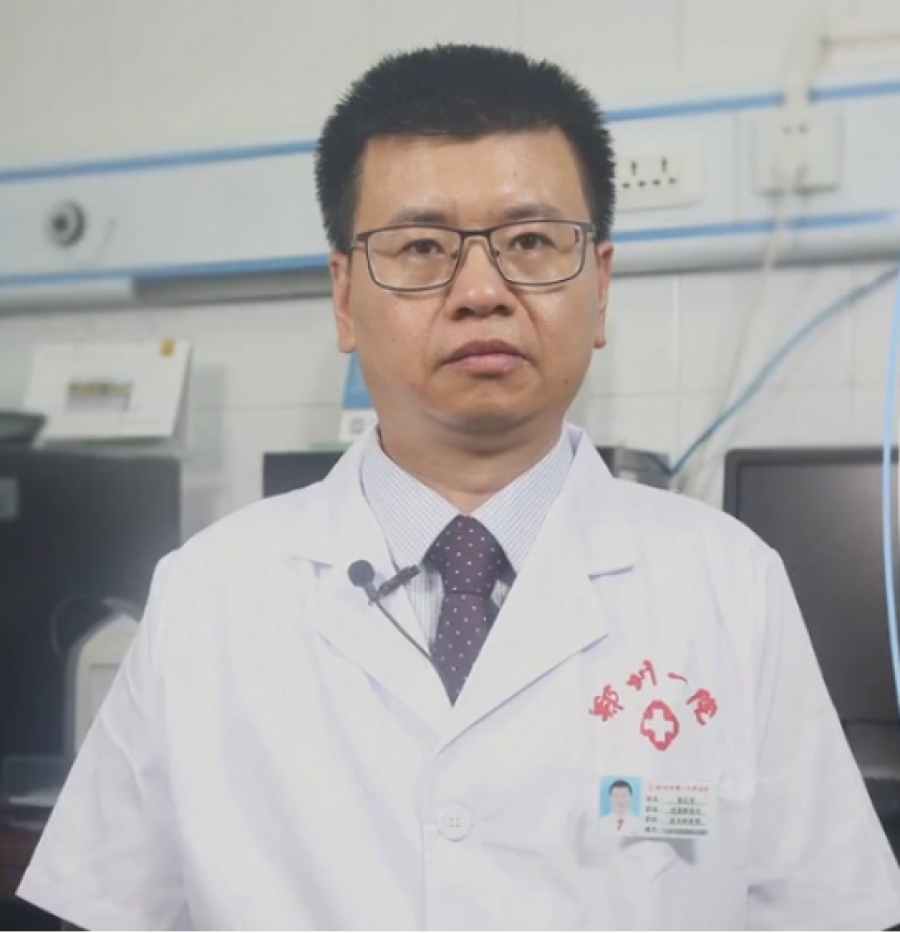
  • 黄红军

黄红军

  • 字号 + –
15 11月 2019
  • 1
  • 2
  • 3
  • 4
  • 5
Author :   伤口世界
黄红军

擅长疾病 : 慢性创面修复,如压疮、糖尿病足、静脉性溃疡、放射性溃疡、开胸手术后切口不愈合、皮肤肿瘤、外伤后骨外露等。各种瘢痕及溃疡。

Latest from  伤口世界

  • GLP-1 receptor agonists and coronary plaques regression in diabetic patients after acute coronary syndromes
  • Anxiety, social responsiveness, and grit among patients with KCNJ11- related neonatal diabetes compared to unaffected siblings
  • A high-quality RNA-yielding protocol for laser capture microdissection of transplanted stem cell-derived Islets of Langerhans
  • A metagenomic study of the gut microbiome in patients with type 2 diabetes mellitus and myocardial infarction
  • Impact of controlled type 2 diabetes on muscle-tendon mechanics

Categories

  • 病情图文
  • 文献精选
  • 名医介绍
  • K2 Content
  • GLP-1 receptor agonists and coronary plaques regression in diabetic patients after acute coronary syndromes 2026-05-16 00:00

    Mauro Gitto1,2 · Federica Catapano1,2 · Marco Francone1,2 · Gianluca Mincione1,2 · Vincenzo Scialò1,2 ·Carlo A. Pivato1,2 · Costanza Lisi1,2 · Damiano Regazzoli1,2 · Davide Cao1,2 · Roberta Maria Fiorina1  ·Alessandra Petrelli3,4 · Loredana Bucciarelli4  · Cristian Loretelli3,4 · Gianluigi Condorelli1,2 · Paolo Fiorina3,4,5 · Giulio Stefanini1,2

    Received: 4 October 2025 / Accepted: 15 October 2025 / Published online: 4 November 2025 © The Author(s) 2025

    Abstract

    Background Despite advances in therapeutic strategies a significant proportion of acute coronary syndrome (ACS) patients experience early coronary artery disease (CAD) progression, particularly those with diabetes.

    Aim To evaluate CAD progression in diabetic patients treated with glucagon-like peptide 1 receptor agonists (GLP-1Ra) over 1 year after an ACS.

    Methods Patients presenting with non–ST-elevation ACS between 2019 and 2022 were enrolled in a prospective registry and underwent serial coronary computed tomography angiography (CCTA) at baseline (after revascularization, during the index hospitalization) and at 1-year follow-up. The primary endpoint was the absolute change (1 year – baseline) in non-culprit lesion plaque burden (ΔPB) on CCTA, with the absolute change in patient percent atheroma volume (ΔPAV) as a key secondary endpoint. A comprehensive lipidomic, metabolomic, and proteomic plasma assessment was also performed in all GLP-1Ra–treated patients and four randomly selected controls.

    Results Of 28 diabetic patients, 7 (25%) with 22 coronary plaques were treated with GLP-1Ra, and 21 (75%) with 65 plaques received other antidiabetic agents. In the 1-year observation frame, both ΔPB (-5.8±12.8% vs. -1.1±13.6%, p=0.041) and ΔPAV (-6.1% [-7.3, -1.8] vs. -0.7% [-2.4, 9.8], p=0.039) were significantly lower in GLP-1Ra-treated patients. Total atheroma volume also showed a numerically greater reduction in the GLP-1Ra cohort (0.7 mm³ [-2.5-8.7] vs. 25.0 mm³ [4.8–39.7]), primarily due to a decrease in plaque fibrofatty volume percentage (-2.9±10.1% vs. 1.0±6.8%, p=0.042). Lipi-domic, metabolomic, and proteomic analyses identified reductions in monoacylglycerols and triacylglycerols, increases in diacylglycerols and phosphatidylethanolamine, a shift from carbohydrate metabolism toward lipid metabolism and hormone regulation, and differential expression of proteins involved in complement activation, endothelial function, and cytoskeletal organization in GLP-1Ra–treated patients compared with controls.

    Conclusions In diabetic patients with ACS, GLP-1Ra therapy was associated with a significant regression in coronary plaque burden at 1 year, supported by favorable lipidomic, metabolomic, and proteomic changes. These findings suggest a potential role for GLP-1Ra in modifying atherosclerosis progression beyond glycemic control.

    Keywords GLP-1 receptor agonists · Diabetes mellitus · Coronary artery disease · Acute coronary syndrome · Plaque regression

  • Anxiety, social responsiveness, and grit among patients with KCNJ11- related neonatal diabetes compared to unaffected siblings 2026-05-15 00:00

    Jui M. Desai1  · Lisa R. Letourneau-Freiberg1  · Kristen E. Wroblewski2  · Megan N. Scott3  · Michael E. Msall4  · Siri Atma W. Greeley1,4

    Received: 27 February 2025 / Accepted: 4 October 2025 / Published online: 27 January 2026 © The Author(s) 2026

    Abstract

    Aims Neonatal diabetes mellitus (NDM) occurs before 6–12 months of age and is commonly caused by activating mutations in KCNJ11 (KCNJ11-NDM) or ABCC8. Because of brain expression of these mutant ATP-dependent potassium channels, a spectrum of divergent neurodevelopmental difficulties have been described, including developmental delay, epilepsy, and neonatal diabetes (DEND). However, information on anxiety, social responsiveness, and grit is limited.

    Methods Individuals with KCNJ11-NDM (N= 12) and their unaffected siblings (N=12) were recruited through the Uni-versity of Chicago Monogenic Diabetes Registry and participants or their parent/caregiver completedthe Screen for Adult/ Child Anxiety Related Disorder (SCAARED/SCARED), the Social Responsiveness Scale, Second Edition (SRS-2), and the Grit Scale.

    Results Mean SRS-2 scores were significantly different between KCNJ11-NDM and sibling controls (P= <0.001 ), with 7/10 affected participants, and 0 /11 siblings, having scores suggestive of autism spectrum disorder (ASD). Differences in anxiety (P=0.69) and grit (P=0.46) were not significant when compared to sibling controls; however, 58% (7/12) of KCNJ11-NDM participants and 40% (4/10) of sibling controls had scores indicating an anxiety disorder by either self- or parent-report.

    Conclusions Our results agree with previous studies suggesting significant difficulties with social functioning in KCNJ11- NDM, with 7/10 participants having scores suggestive of ASD, strongly reinforcing the need for early neurodevelopmental screening to allow for prompt support. Our report adds to the knowledge of this population in finding robust grit scores but with a high level of anxiety in both KCNJ11-NDM and unaffected siblings. Although families affected by KCNJ11-NDM may have a high risk of anxiety disorders, it is encouraging that affected and unaffected children exhibit robust self-resiliency that will help support functioning through the challenges of life. Study of additional individuals will help to clarify specific challenges, long-term outcomes, and best approaches for monitoring and support.

    Keywords Diabetes mellitus · Potassium channels · Brain · Anxiety · Resilience · Genetics

  • A high-quality RNA-yielding protocol for laser capture microdissection of transplanted stem cell-derived Islets of Langerhans 2026-05-14 00:00

    Daniel Norman1  · Joey Lau1

    Received: 22 March 2025 / Accepted: 18 January 2026 © The Author(s) 2026

    Abstract

    Background Laser capture microdissection (LCM) followed by RNA-sequencing is a powerful, widely applicable tool to analyze the transcriptome in regions of a tissue. Protocols for LCM of transplanted islets of Langerhans, particularly stem cell-derived islets (SC-islets) that have evaluated RNA quality, are lacking. This study demonstrates a robust protocol for LCM of SC-islets in multiple organ sites, generating high quality RNA.

    Method SC-islets were transplanted to five organ sites in immunodeficient NOG-mice. Graft-containing organs were then sectioned, fixed in 75% ethanol, stained with the alcohol-based stain cresyl violet, and dehydrated before performing LCM. RNA was then extracted, and quality control was performed.

    Results High RIN scores (RNA Integrity Number) were obtained from all organ sites, with the pancreas showing the most robust results, despite its known challenges due to high RNase content. Conversely, organs with small or dispersed grafts, such as the liver and omentum, exhibited lower RIN scores. This is likely due to the size of the dissected area correlating positively with RIN scores, potentially due to a more time-consuming LCM in these sites.

    Conclusion Using this novel protocol, high-quality RNA from transplanted SC-islets can be obtained. Smaller and spread-out grafts pose a challenge in obtaining higher quality RNA, although possible.

    Keywords Laser capture microdissection · Stem cell-derived islets · RNA quality · Transplantation · Type 1 diabetes

Popular Tags

  • 糖尿病足
  • 祛疤止痒
  • 皮肤病
  • 造口
  • 溃疡
  • 动脉性溃疡
  • 静脉性溃疡
  • 放射性溃疡
  • 烧伤
  • 创伤

伤口世界平台生态圈,以“关爱人间所有伤口患者”为愿景,连接、整合和拓展线上和线下的管理慢性伤口的资源,倡导远程、就近和居家管理慢性伤口,解决伤口专家的碎片化时间的价值创造、诊疗经验的裂变复制、和患者的就近、居家和低成本管理慢性伤口的问题。


消息订阅

关注伤口世界动态,了解专业领域最新科技
Copyright © 2026 中诺医疗. All Rights Reserved
皖ICP备19014494号-1

学术会议

2019广东省医疗行业协会伤口管理分会年会

扫一扫了解详情:


  • 2019年6月15日 中国广州
  • 主办单位:广东省医疗行业协会伤口管理分会

伤口世界提示

任何关于疾病的建议都不能替代执业医师的面对面诊断。所有门诊时间仅供参考,最终以医院当日公布为准。

网友、医生言论仅代表其个人观点,不代表本站同意其说法,请谨慎参阅,本站不承担由此引起的法律责任。