Jakob Starup-Linde1,2*
1 Faculty of Health, Aalborg University, Aalborg, Denmark
2 Department of Endocrinology and Internal Medicine, Aarhus University Hospital THG, Aarhus, Denmark
Diabetes mellitus is known to have late complications including micro vascular and macro vascular disease. This review focuses on another possible area of complication regarding diabetes; bone. Diabetes may affect bone via bone structure, bone density, and biochemical markers of bone turnover.The aim of the present review is to examine in vivo from humans on biochemical markers of bone turnover in diabetics compared to non-diabetics. Further more, the effect of glycemic control on bone markers and the similarities and differences of type 1- and type 2-diabetics regarding bone markers will be evaluated. A systematic literature search was conducted using PubMed, Embase, Cinahl, and SveMed+ with the search terms: “Diabetes mellitus,” “Diabetes mellitus type 1,” “Insulin dependent diabetes mellitus,” “Diabetes mellitus type 2,” “Non-insulin dependent diabetes mellitus,” “Bone,” “Bone and Bones,” “Bone diseases,” “Bone turnover,” “Hemoglobin A Glycosylated,” and “HbA1C.” After removing duplicates from this search 1,188 records were screened by title and abstract and 75 records were assessed by full text for inclusion in the review. In the end 43 records were chosen. Bone formation and resorption markers are investigated as well as bone regulating systems. T1D is found to have lower osteocalcin and CTX, while osteo calcin and tartrate-resistant acid are found to be lower in T2D, and sclerostin is increased and collagen turnover markers altered. Other bone turnover markers do not seem to be altered in T1D or T2D. A major problem is the lack of histomorphometric studies in humans linking changes in turnover markers to actual changes in bone turnover and further research is needed to strengthen this link.
Keywords: diabetes mellitus, bone, bone turnover, markers of bone turnover, biochemical markers, glycemic contro
Huan Tao1 , Adrienne O’Neil 2,3, Yunseon Choi 4 , Wei Wang5 , Junfeng Wang6 , Yafeng Wang7 *, Yongqian Jia1 * and Xiong Chen8 *
1 Department of Hematology and Research Laboratory of Hematology, West China Hospital, Sichuan University, Chengdu, China, 2 The Centre for Innovation in Mental and Physical Health and Clinical Treatment, Deakin University, Geelong, VIC, Australia, 3 Melbourne School of Population and Global Health, University of Melbourne, Carlton, VIC, Australia, 4 Department of Radiation Oncology, Busan Paik Hospital, Inje University College of Medicine, Busan, South Korea, 5 School of Mathematical Sciences, Shanghai Jiao Tong University, Shanghai, China, 6 Julius Center for Health Sciences and Primary Care, University Medical Center Utrecht, Utrecht University, Utrecht, Netherlands, 7 Department of Epidemiology and Biostatistics, School of Health Sciences, Wuhan University, Wuhan, China, 8 Department of Endocrinology, The First Affiliated Hospital of Wenzhou Medical University, Wenzhou, China
Objective: The relationship between diabetes and all- and cause-specific mortality in individuals with common cancers (breast, colorectal, and prostate) remains both under-researched and poorly understood.
Methods: Cancer survivors (N = 37,993) from the National Health Interview Survey with linked data retrieved from the National Death Index served as our study participants. Cox proportional-hazards models were used to assess associations between pre- and post-diabetes and all-cause and cause-specific mortality.
Results: Over a median follow-up period of 13 years, 2,350 all-cause, 698 cancer, and 506 CVD deaths occurred. Among all cancer survivors, patients with diabetes had greater risk of: all-cause mortality [hazard ratio (HR) 1.35, 95% CI = 1.27–1.43], cancer-specific mortality (HR: 1.14, 95% CI = 1.03–1.27), CVD mortality (HR: 1.36, 95% CI = 1.18–1.55), diabetes related mortality (HR: 17.18, 95% CI = 11.51–25.64), and kidney disease mortality (HR: 2.51, 95% CI = 1.65–3.82), compared with individuals without diabetes. The risk of all-cause mortality was also higher amongst those with diabetes and specific types of cancer: breast cancer (HR: 1.28, 95% CI = 1.12–1.48), prostate cancer (HR: 1.20, 95% CI = 1.03–1.39), and colorectal cancer (HR: 1.29, 95% CI = 1.10–1.50). Diabetes increased the risk of cancer-specific mortality among colorectal cancer survivors (HR: 1.36, 95% CI = 1.04–1.78) compared to those without diabetes. Diabetes was associated with higher risk of diabetes-related mortality when compared to non-diabetic breast (HR: 9.20, 95% CI = 3.60–23.53), prostate (HR: 18.36, 95% CI = 6.01–56.11), and colorectal cancer survivors (HR: 12.18, 95% CI = 4.17–35.58). Both pre- and post-diagnosis diabetes increased the risk of all-cause mortality among all cancer survivors. Cancer survivors with diabetes had similar risk of all-cause and CVD mortality during the second 5 years of diabetes and above 10 years of diabetes as compared to non-diabetic patients.
Conclusions: Diabetes increased the risk of all-cause mortality among breast, prostate, and colorectal cancer survivors, not for pre- or post-diagnosis diabetes. Greater attention on diabetes management is warranted in cancer survivors with diabetes.
Keywords: diabetes, all-cause, cancer, cardiovascular disease, mortality, cohort study
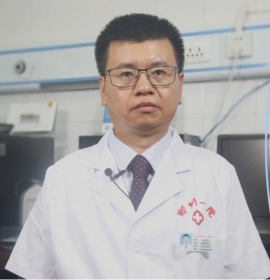
擅长疾病 : 慢性创面修复,如压疮、糖尿病足、静脉性溃疡、放射性溃疡、开胸手术后切口不愈合、皮肤肿瘤、外伤后骨外露等。各种瘢痕及溃疡。
中华医学会烧伤、医学美容整形专业会员,海南省医学会烧伤整形专业委员会常委兼秘书,海南省医学会烧伤整形专业委员会主要发起人之一。 1988年海南大学医学部毕业,一直从事烧伤救治、创面修复、瘢痕整形的临床医疗工作和科研,为具有烧伤外科专业、整形外科专业资格的执业医师。
大面积危重烧伤救治,各种原因烧烫伤,皮肤瘢痕整形,各种难愈创面的治疗如慢性溃疡、外伤后皮肤软组织缺损、糖尿病足等。
长期从事美容、整形及烧伤专业的临床、教学及科研工作,尤其擅长于体表肿瘤的诊治、瘢痕防治、精于各类美容整形手术、烧伤治疗和创面处理等。
伤口世界平台生态圈,以“关爱人间所有伤口患者”为愿景,连接、整合和拓展线上和线下的管理慢性伤口的资源,倡导远程、就近和居家管理慢性伤口,解决伤口专家的碎片化时间的价值创造、诊疗经验的裂变复制、和患者的就近、居家和低成本管理慢性伤口的问题。
2019广东省医疗行业协会伤口管理分会年会
扫一扫了解详情:
任何关于疾病的建议都不能替代执业医师的面对面诊断。所有门诊时间仅供参考,最终以医院当日公布为准。
网友、医生言论仅代表其个人观点,不代表本站同意其说法,请谨慎参阅,本站不承担由此引起的法律责任。