Esteban Padulles-Gaspar 1 , Esteban Padulles-Roig 2 , Guillermo Cabanes 2 , Román A. Pérez 3 , Javier Gil 3,* and Begoña M. Bosch 3,*
1Facultad de Odontología, Universitat Internacional de Catalunya, C/Josep Trueta s/n, 08195 Barcelona, Spain
2Department of Implantology, University of La Salle, Madrid, EDE, C7Gaminedes 11, 28023 Madrid, Spain
3Bioengineering Institute of Technology, Universitat Internacional de Catalunya, 08195 Barcelona, Spain
*Correspondence: 该Email地址已收到反垃圾邮件插件保护。要显示它您需要在浏览器中启用JavaScript。 (J.G.); 该Email地址已收到反垃圾邮件插件保护。要显示它您需要在浏览器中启用JavaScript。 (B.M.B.)
Abstract: One of the main problems in oral implantology today is peri-implantitis, which affects almost 20% of dental implants placed in patients. One of the most commonly used techniques to eliminate bacterial biofilm is the implantoplasty, that consists of the mechanical modification of the implant surface topography followed by treatments with chemical reagents for decontamination. In this study, the main aim is to evaluate the use of two different chemical treatments based on hypochlorous acid (HClO) and hydrogen peroxide (H2O2 ). For this purpose, 75 titanium grade 3 discs were treated with implantoplasty according to established protocols. Twenty-five discs were used as controls, 25 were treated with concentrated HClO and 25 were treated with concentrated HClO followed by treatment with 6% H2O2 . The roughness of the discs was determined using the interferometric process. Cytotoxicity with SaOs-2 osteoblastic cells was quantified at 24 and 72 h, whereas bacteria proliferation using S. gordonii and S. oralis bacteria was quantified at 5 s and 1 min of treatment. The results showed an increase in the roughness values, the control discs had an Ra of 0.33 µm and those treated with HClO and H2O2 reached 0.68 µm. Cytotoxicity was present at 72 h, together with a significant proliferation of bacteria. These biological and microbiological results can be attributed to the roughness produced by the chemical agents that triggered bacterial adsorption while inhibiting osteoblast adhesion. The results indicate that even if this treatment can decontaminate the titanium surface after implantation, the produced topography will generate an environment that will not favor long-term performance.
Keywords: hypochlorous acid; hydrogen peroxide; implantoplasty; periimplantitis
Chun-Ju Chen 1 , Chun-Cheng Chen 2,3,* and Shinn-Jyh Ding 1,2,3,*
1Institute of Oral Science, Chung Shan Medical University, Taichung City 402, Taiwan; 该Email地址已收到反垃圾邮件插件保护。要显示它您需要在浏览器中启用JavaScript。
2School of Dentistry, Chung Shan Medical University, Taichung City 402, Taiwan
3Department of Dentistry, Chung Shan Medical University Hospital, Taichung City 402, Taiwan
*Correspondence: 该Email地址已收到反垃圾邮件插件保护。要显示它您需要在浏览器中启用JavaScript。 (C.-C.C.); 该Email地址已收到反垃圾邮件插件保护。要显示它您需要在浏览器中启用JavaScript。 (S.-J.D.);
Tel.: +886-6-2471-8668 (ext. 55255) (C.-C.C.); +886-6-2471-8668 (ext. 55529) (S.-J.D.)
Academic Editor: Ihtesham ur Rehman
Received: 13 April 2016; Accepted: 15 July 2016; Published: 19 July 2016
Abstract: Chemotherapeutic agents have been used as an adjunct to mechanical debridement for peri-implantitis treatment. The present in vitro study evaluated and compared the effectiveness of hypochlorous acid (HOCl), sodium hypochlorite (NaOCl), and chlorhexidine (CHX) at eliminating Gram-negative (E. coli and P. gingivalis) and Gram-positive (E. faecalis and S. sanguinis) bacteria. The effect of irrigating volume and exposure time on the antimicrobial efficacy of HOCl was evaluated, and a durability analysis was completed. Live/dead staining, morphology observation, alamarBlue assay, and lipopolysaccharide (LPS) detection were examined on grit-blasted and biofilm-contaminated titanium alloy discs after treatment with the three chemotherapeutic agents. The results indicated that HOCl exhibited better antibacterial efficacy with increasing irrigating volumes. HOCl achieved greater antibacterial efficacy as treatment time was increased. A decrease in antimicrobial effectiveness was observed when HOCl was unsealed and left in contact with the air. All the irrigants showed antibacterial activity and killed the majority of bacteria on the titanium alloy surfaces of biofilm-contaminated implants. Moreover, HOCl significantly lowered the LPS concentration of P. gingivalis when compared with NaOCl and CHX. Thus, a HOCl antiseptic may be effective for cleaning biofilm-contaminated implant surfaces.
Keywords: dental implant; hypochlorite acid; antiseptics; antimicrobial activity
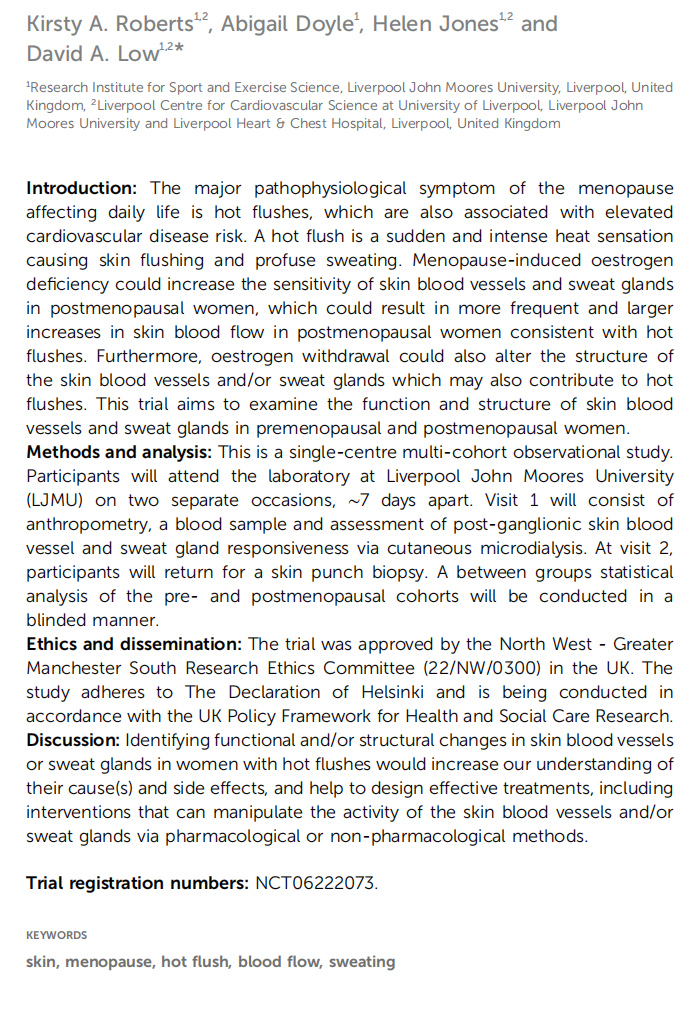
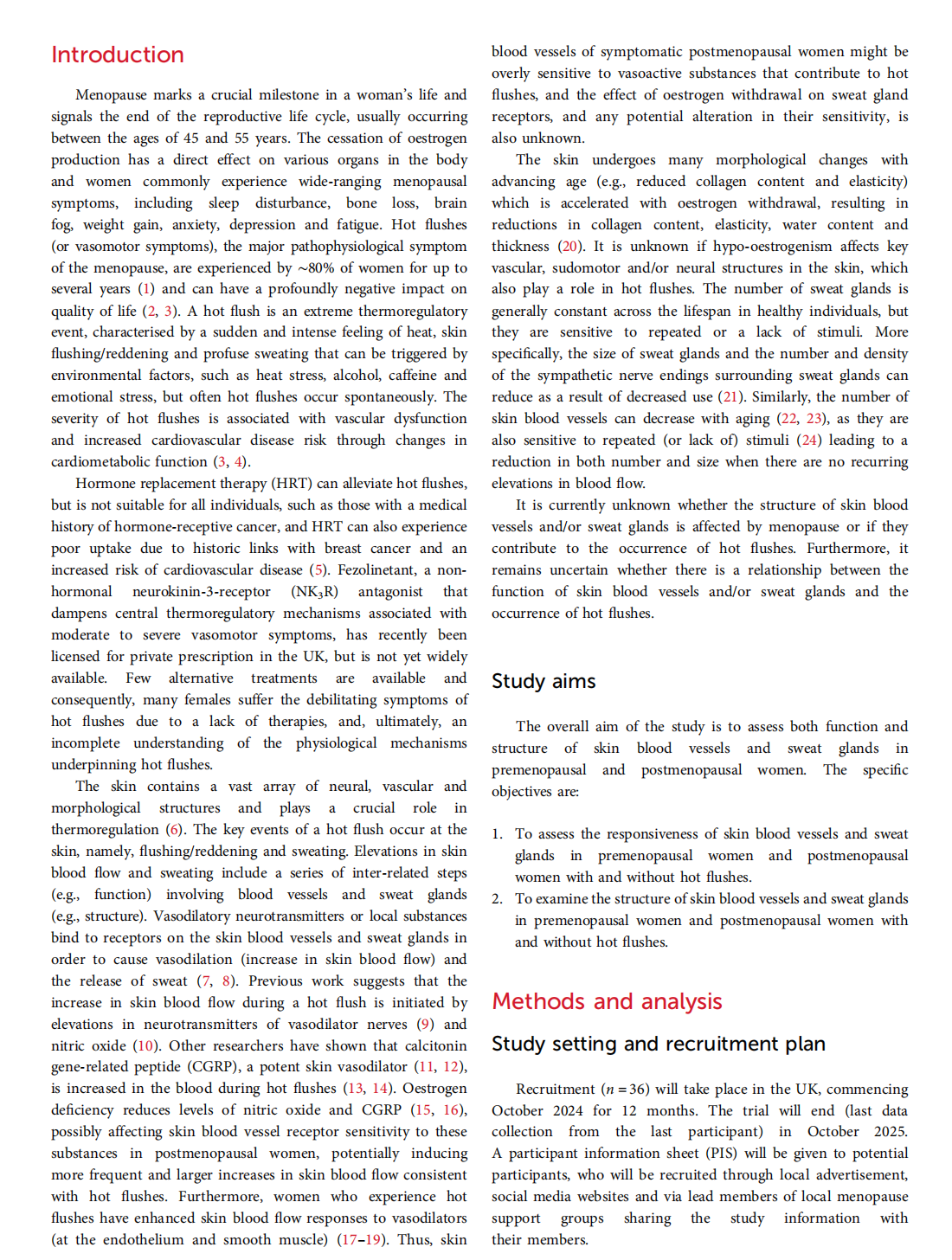
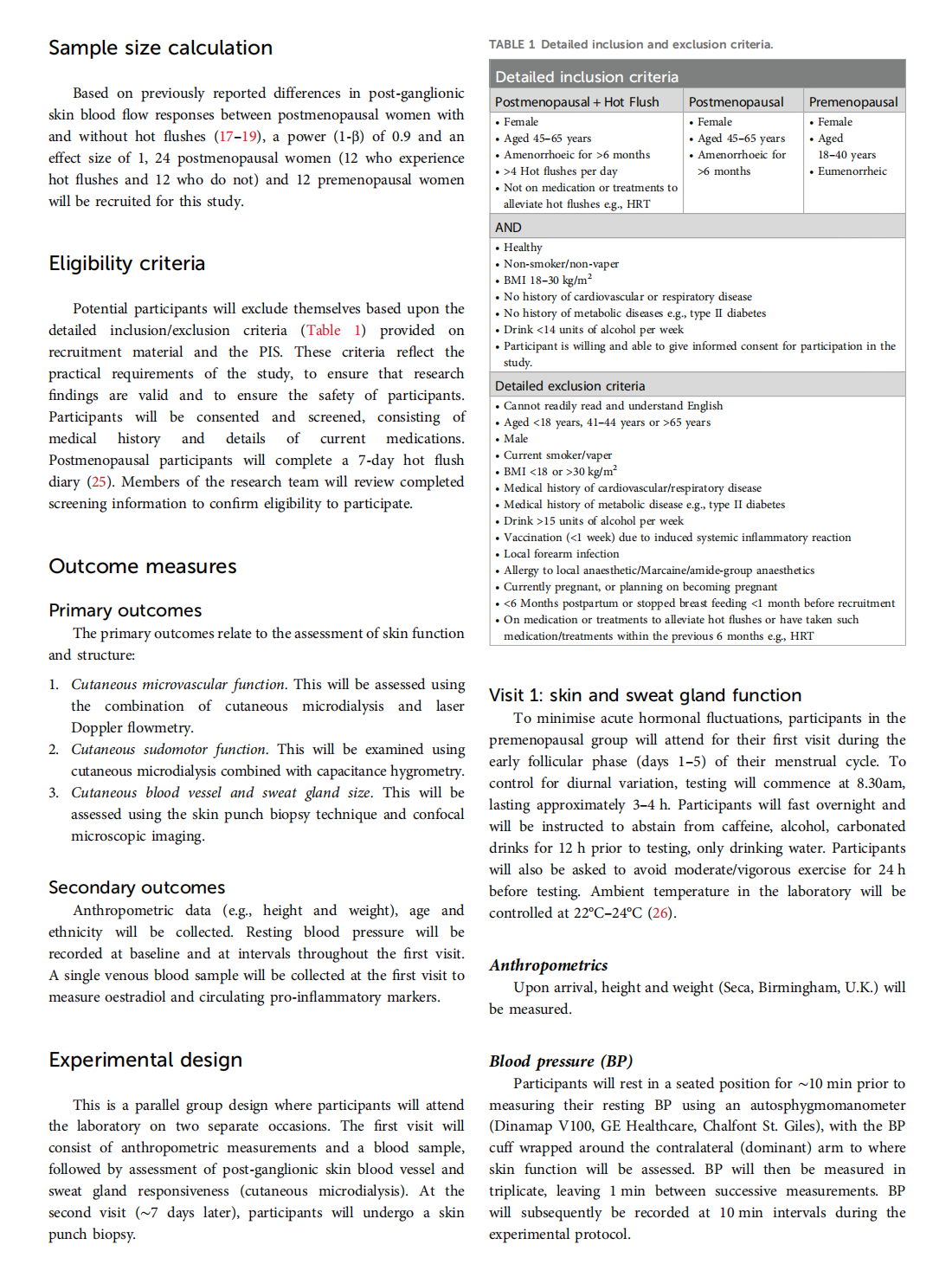
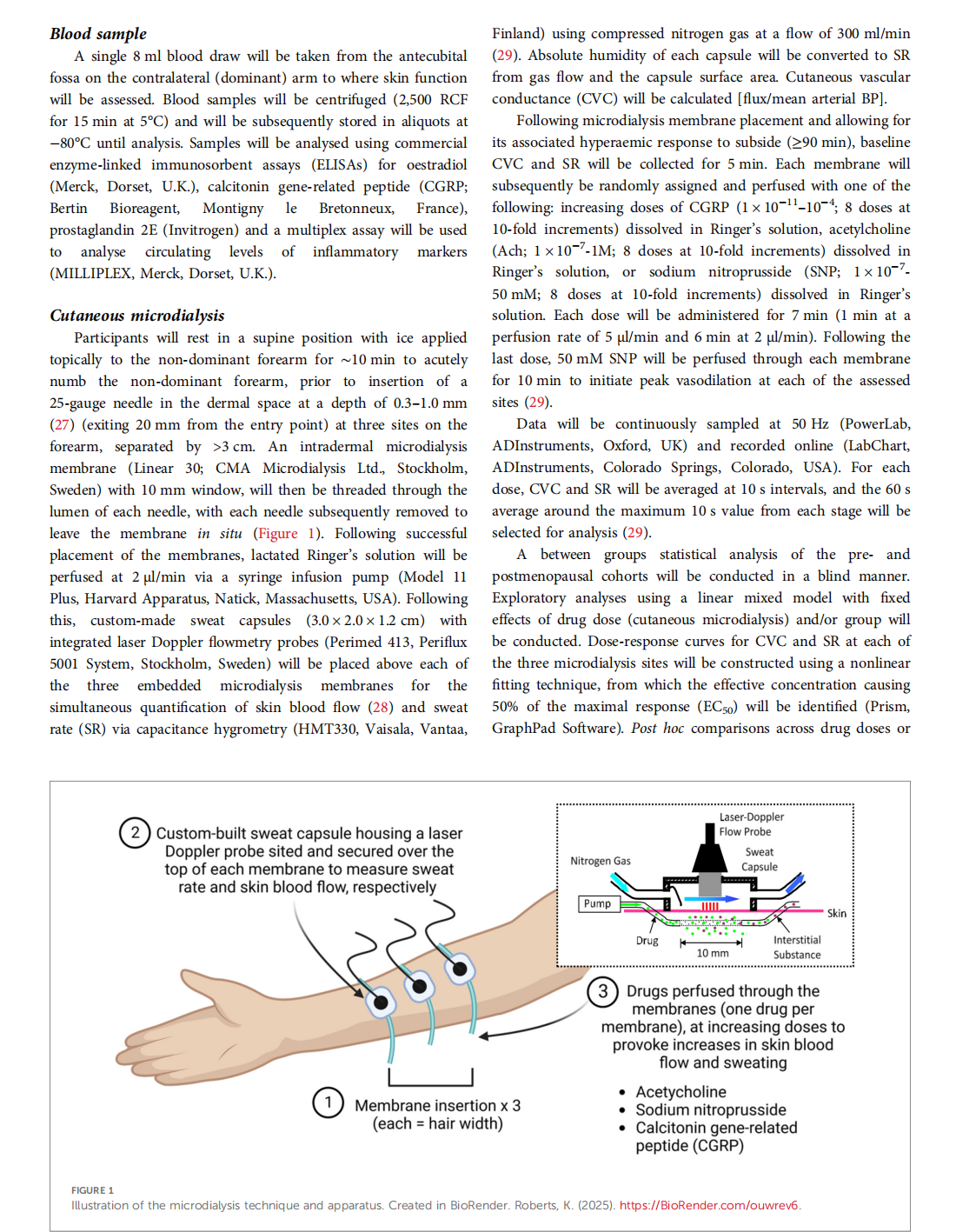
This article is excerpted from the 《Frontiers in Global Women's Health》 by Wound World
伤口世界平台生态圈,以“关爱人间所有伤口患者”为愿景,连接、整合和拓展线上和线下的管理慢性伤口的资源,倡导远程、就近和居家管理慢性伤口,解决伤口专家的碎片化时间的价值创造、诊疗经验的裂变复制、和患者的就近、居家和低成本管理慢性伤口的问题。
2019广东省医疗行业协会伤口管理分会年会
扫一扫了解详情:
任何关于疾病的建议都不能替代执业医师的面对面诊断。所有门诊时间仅供参考,最终以医院当日公布为准。
网友、医生言论仅代表其个人观点,不代表本站同意其说法,请谨慎参阅,本站不承担由此引起的法律责任。