Carmine Piccolo1 · Sara de Candia1 · Annalisa Natalicchio1 · Sergio Di Molfetta1 · Irene Caruso1 · Luigi Laviola1 · Francesco Giorgino1 · Gian Pio Sorice
Received: 16 December 2025 / Accepted: 11 March 2026 © The Author(s) 2026
Abstract
Aims Phenylketonuria and type 1 diabetes are lifelong metabolic disorders requiring complex and potentially conflicting nutritional strategies. Their coexistence is rare, yet management may become particularly challenging during transition from pediatric to adult care. We describe the case of a young adult with phenylketonuria who developed type 1 diabetes.
Methods A 27-year-old man with longstanding phenylketonuria was referred to an adult metabolic-diabetes center after the diagnosis of type 1 diabetes. Clinical, biochemical, nutritional, and continuous glucose monitoring data were reviewed. The intervention included structured therapeutic education, transition from fixed insulin doses to a dynamic regimen based on carbohydrate counting, and revision of medical nutrition therapy using phenylketonuria-adapted low-protein foods and sugar-free phenylalanine-free amino acid supplements.
Results At diagnosis, HbA1c was 11.5%, with markedly reduced C-peptide levels and high titer anti-GAD antibodies. Ini-tial diabetes management was associated with poor adherence to the phenylketonuria diet, increased intake of conventional protein sources, and elevated phenylalanine levels. After individualized insulin titration and nutritional intervention, HbA1c improved from 11.5% to 7.8%, phenylalanine levels decreased from 842 to 705 μmol/L, insulin requirement declined from 0.55 to 0.3 IU/kg/day, and continuous glucose monitoring showed improved glycemic control without increased hypoglyce-mia. The Glycemia Risk Index improved from high-risk Zone E to low-intermediate-risk Zone B.
Conclusions This case highlights the need for personalized multidisciplinary care integrating continuous glucose monitor-ing, carbohydrate counting, and phenylketonuria specific nutrition to optimize both metabolic conditions.
Keywords Phenylketonuria · Type 1 diabetes · CGM · multidisciplinary approach
Nicolò Diego Borella1 · Antonio Ferramosca2 · Giona Castagna1 · Silvia Ippolito1 · Sara Ceresoli2 · Antonio Taverna1 · Beatrice Sonzogni2 · Roberto Trevisan1,3 · Giuseppe Lepore1
Received: 6 March 2024 / Accepted: 15 October 2024 / Published online: 22 November 2024 © The Author(s) 2024
Context Advanced hybrid closed loop (AHCL) systems currently represent the most advanced modality of insulin therapy.
Aim To compare the night-time (from 00 to 07 a.m.) effectiveness in achieving recommended glycemic targets of three dif-ferent AHCL systems in adults with type 1 diabetes (T1D).
Methods We retrospectively evaluated 55 adults with T1D (mean age 41±16 years, male 40%, diabetes duration 19.4±11.4 years, BMI 24.1±4.1 kg/m2 ) with similar glycemic control (GMI 7.0–7.4%). Twenty-two participants were using the Minimed 780G system, 18 the Tandem t:slim X2 with Control-IQ system and 15 the DBLG1 system. Continuous glucose monitoring derived metrics and insulin requirement of 14 consecutive nights were
Results All three groups achieved the recommended mean TIR>70%, mean TBR<4%, and mean CV<36% with a similar insulin requirement (Minimed 780G system: TIR 73.9±11.2%, TBR 0.9±1.2%, CV 29±6.7%; Tandem t:slim X2 with Con-trol-IQ system: TIR 74.1±11.1%, TBR 1.1±1.0%, CV 34.5±6.6%; DBLG1 System TIR 71.7±11.3%, TBR 1.4±3.7%, CV 32.4±7.1%). Tight TIR% (70–140 mg/dl) was significantly higher (p<0.01) in the Tandem t:slim X2 with Control-IQ group (51.5±9.8%) when compared to Minimed 780G group (42.1±13.7%) and DBLG1 System (40.1±10.5%). In all three groups the insulin infusion similarly decreased from midnight to 05.00 am and then increased.
Conclusions All the three AHCL systems achieved the recommended TIR, TBR and CV without difference in insulin requirement. The Tandem Control-IQ system obtained a higher tight TIR.
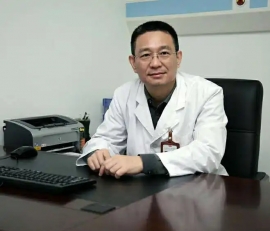
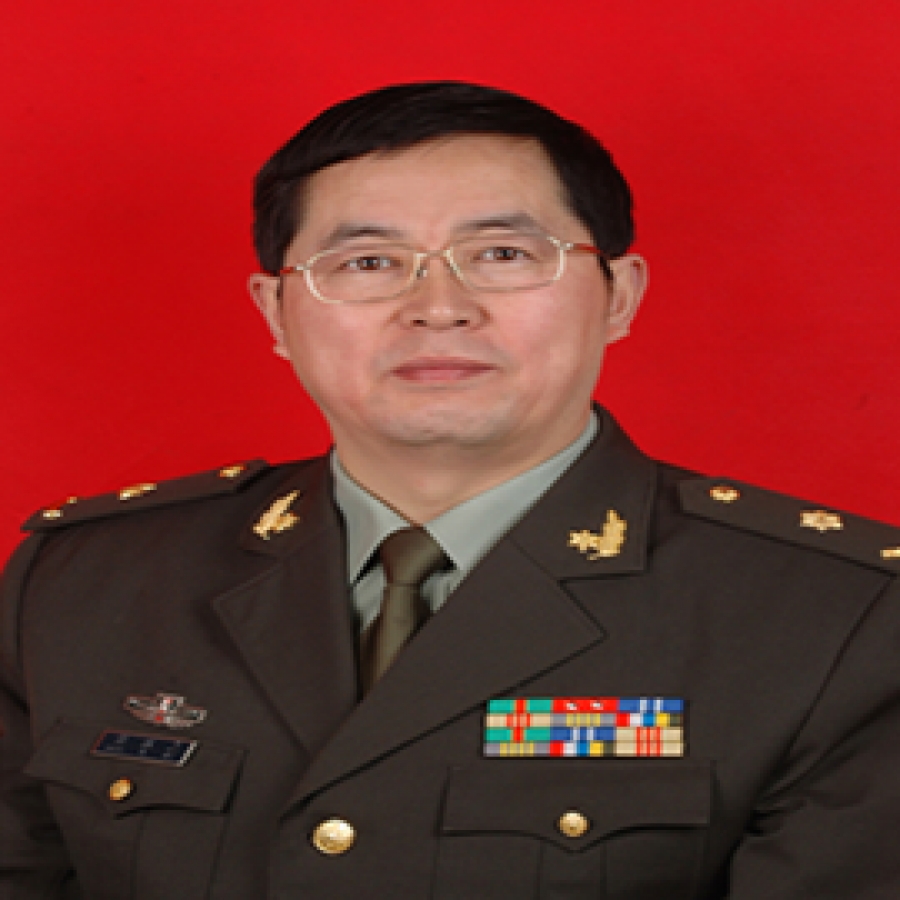
美国哈佛大学烧伤中心访问学者,全军烧伤专业委员会 常务委员,全国烧伤外科学分会青年委员会副主任委员,解放军医学杂志编委,中华烧伤杂志通讯编委。 擅长危重烧伤、颜面部烧伤、深度电烧伤和糖尿病足等难愈性创面治疗,特别是在疤痕与畸形整复方面经验丰富。
现任中华医学会创伤分会创面学组全国委员、中国医师学会烧伤分会全国委员、中华医学会烧伤分会青年委员、全军烧伤专业委员会委员、重庆市烧伤专业委员会委员、西南五省一巿烧伤整形学术委员会常委、中华烧伤杂志通讯编委、国家自然基金及SFDA新药评审专家、国外SCI杂志BURNS及Military Medicine等杂志审稿人等。
教授,烧伤科主任,博士生导师,国家级首批新世纪百千万人才工程人选、省烧伤外科专业委员会常委等。享受国务院特殊津贴。
管理治疗了大量烧烫伤、冻伤、电击伤、压疮及瘢痕患者,多次参与成批危重烧伤患者的救治工作。曾于国内外多所权威激光及整形治疗机构进修学习。
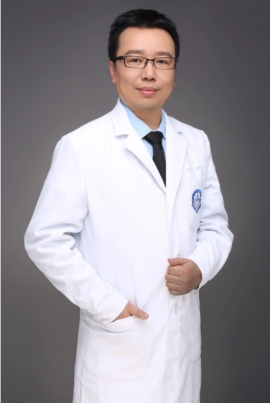
擅长: 各种烧伤治疗、表皮肿物去除和皮瓣成形、体表瘢痕防治,糖尿病足、褥疮、慢性难愈性创面的治疗;面部、胸部整形,自体脂肪移植。
从事整形、烧伤临床、教学、科研10年。2016年在中国科学院整形外科医院进修整1年,系统的学习了整形美容理论知识和临床手术技能。在国内第一作者发表论文6篇,参与发表论文20余篇,多篇为核心期刊。
伤口世界平台生态圈,以“关爱人间所有伤口患者”为愿景,连接、整合和拓展线上和线下的管理慢性伤口的资源,倡导远程、就近和居家管理慢性伤口,解决伤口专家的碎片化时间的价值创造、诊疗经验的裂变复制、和患者的就近、居家和低成本管理慢性伤口的问题。
2019广东省医疗行业协会伤口管理分会年会
扫一扫了解详情:
任何关于疾病的建议都不能替代执业医师的面对面诊断。所有门诊时间仅供参考,最终以医院当日公布为准。
网友、医生言论仅代表其个人观点,不代表本站同意其说法,请谨慎参阅,本站不承担由此引起的法律责任。