
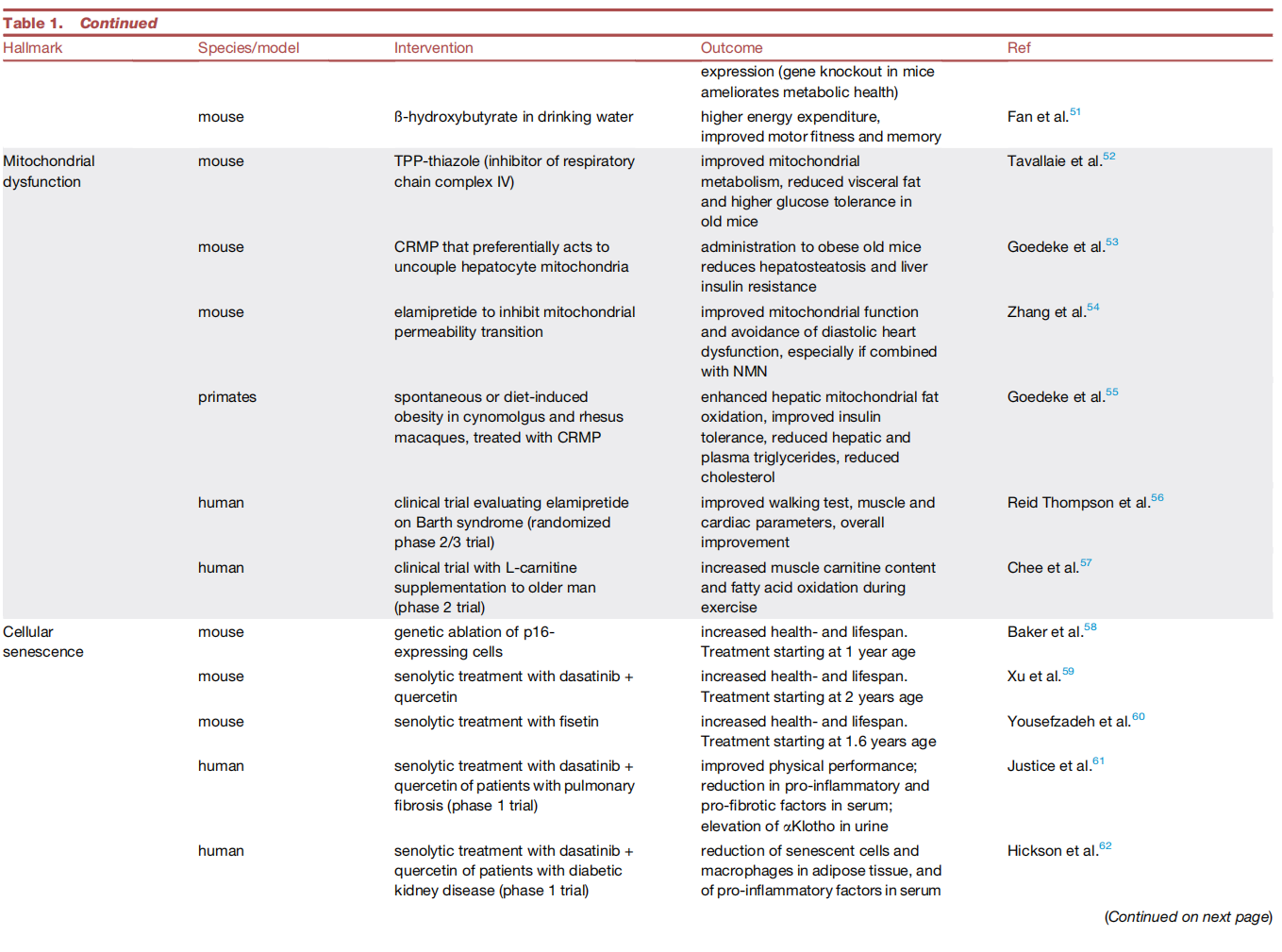
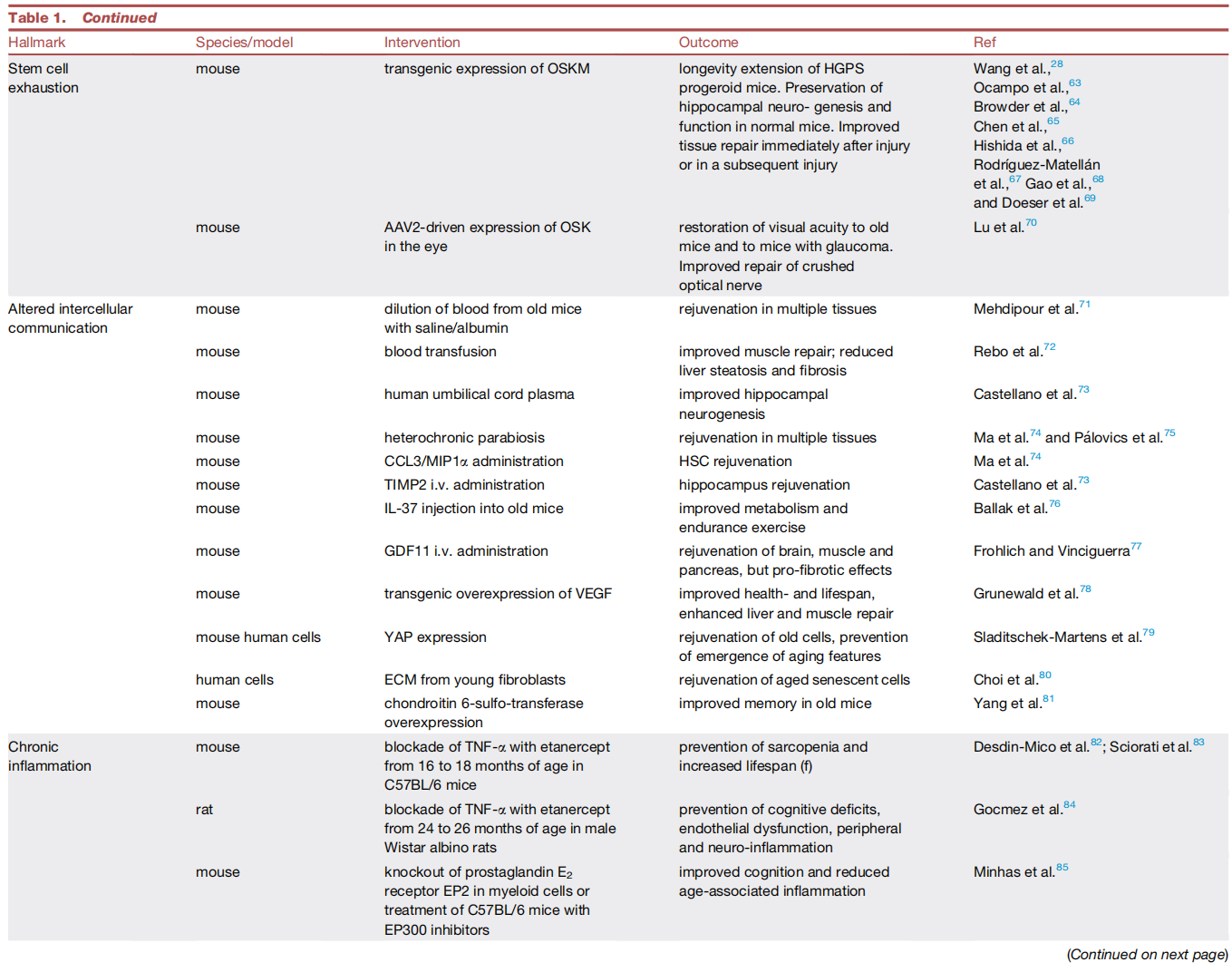
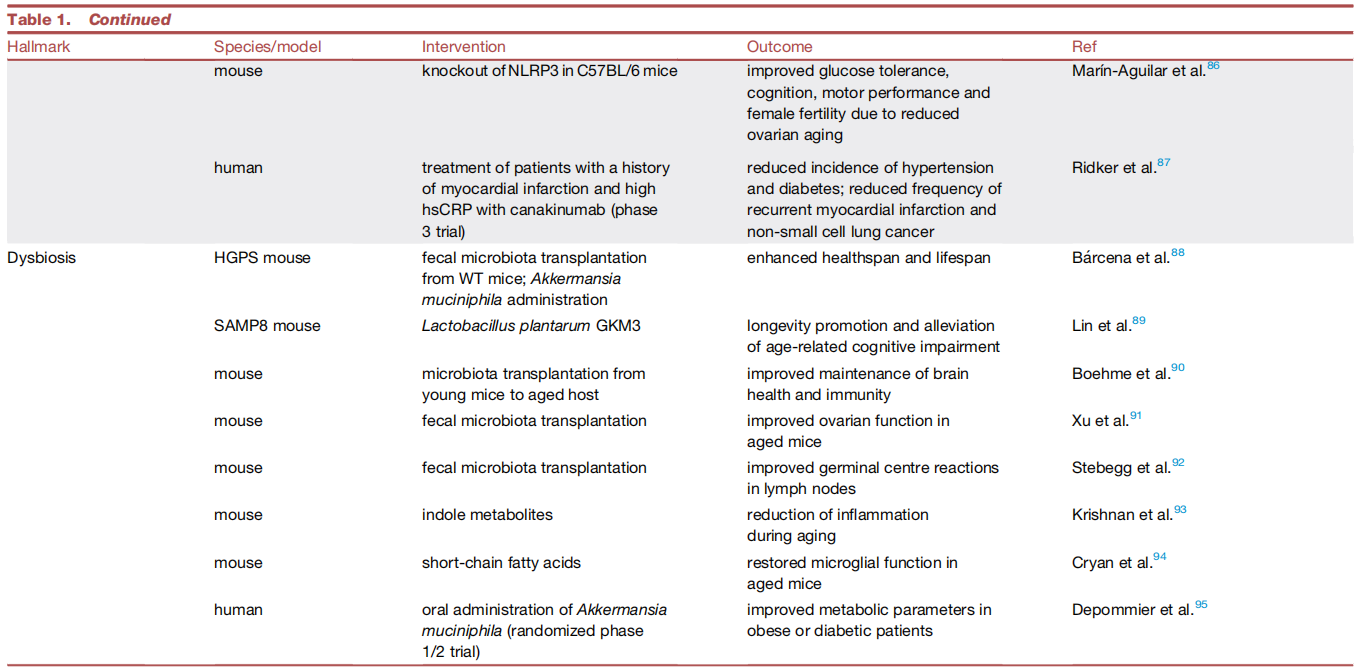
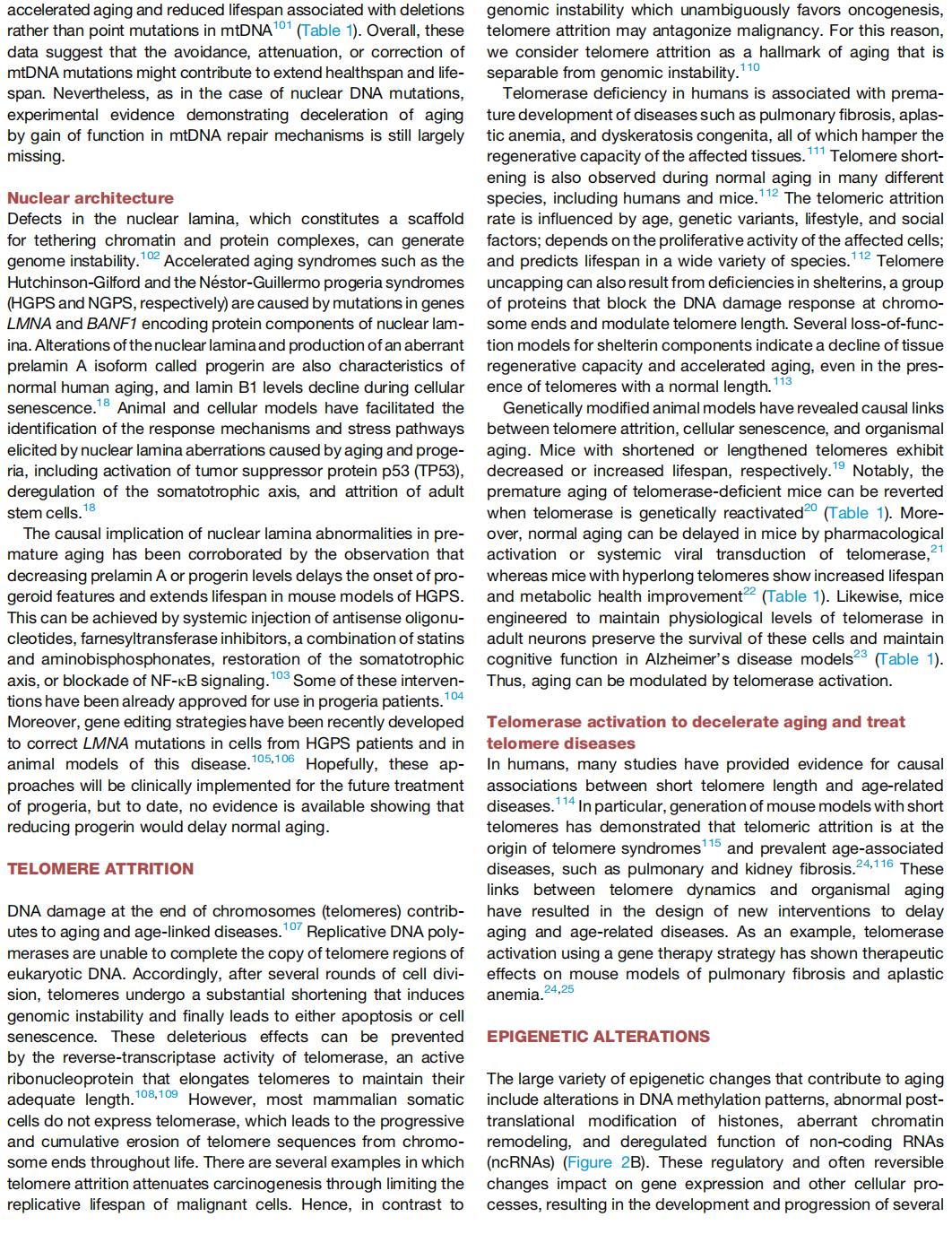
To be continued.

Carlos Lo´ pez-Otı´n,1,2,3,* Maria A. Blasco,4 Linda Partridge,5,6 Manuel Serrano,7,8,9 and Guido Kroemer10,11,12,*
1 Departamento de Bioquı´mica y Biologı´a Molecular, Instituto Universitario de Oncologı´a (IUOPA), Universidad de Oviedo, Oviedo, Spain
2 Instituto de Investigacio´ n Sanitaria del Principado de Asturias (ISPA), Oviedo, Spain
3 Centro de Investigacio´ n Biome´ dica en Red de Ca´ ncer (CIBERONC), Madrid, Spain
4 Telomeres and Telomerase Group, Molecular Oncology Program, Spanish National Cancer Centre (CNIO), Madrid, Spain
5 Department of Genetics, Evolution and Environment, Institute of Healthy Ageing, University College London, London, UK
6 Max Planck Institute for Biology of Ageing, Cologne, Germany
7 Institute for Research in Biomedicine (IRB Barcelona), Barcelona Institute of Science and Technology (BIST), Barcelona, Spain
8 Catalan Institution for Research and Advanced Studies (ICREA), Barcelona, Spain
9 Altos Labs, Cambridge, UK
10 Centre de Recherche des Cordeliers, Equipe labellise´ e par la Ligue contre le cancer, Universite´ de Paris, Sorbonne Universite´ , INSERM U1138, Institut Universitaire de France, Paris, France
11 Metabolomics and Cell Biology Platforms, Gustave Roussy, Villejuif, France
12 Institut du Cancer Paris CARPEM, Department of Biology, Hoˆ pital Europe´ en Georges Pompidou, AP-HP, Paris, France
*Correspondence: 该Email地址已收到反垃圾邮件插件保护。要显示它您需要在浏览器中启用JavaScript。 (C.L.-O.), 该Email地址已收到反垃圾邮件插件保护。要显示它您需要在浏览器中启用JavaScript。 (G.K.)
https://doi.org/10.1016/j.cell.2022.11.001
SUMMARY
Aging is driven by hallmarks fulfilling the following three premises: (1) their age-associated manifestation, (2) the acceleration of aging by experimentally accentuating them, and (3) the opportunity to decelerate, stop, or reverse aging by therapeutic interventions on them. We propose the following twelve hallmarks of aging: genomic instability, telomere attrition, epigenetic alterations, loss of proteostasis, disabled macroautophagy, deregulated nutrient-sensing, mitochondrial dysfunction, cellular senescence, stem cell exhaustion, altered intercellular communication, chronic inflammation, and dysbiosis. These hallmarks are interconnected among each other, as well as to the recently proposed hallmarks of health, which include organizational features of spatial compartmentalization, maintenance of homeostasis, and adequate responses to strees.
To be continued.