
This article is excerpted from the Int Wound J. 2023;20:3498–3513 by Wound World.

Xiao-Xuan Ma1,2| Ying Zhang1,2 | Jing-Si Jiang3 | Yi Ru1,2 | Ying Luo1,2 |Yue Luo3| Xiao-Ya Fei 3 | Jian-Kun Song3 | Xin Ma1,2,3 | Bin Li 2,3 |Yi-Mei Tan3| Le Kuai 1,2
1 Department of Dermatology, Yueyang Hospital of Integrated Traditional Chinese and Western Medicine, Shanghai University of Traditional Chinese Medicine, Shanghai, China
2 Institute of Dermatology, Shanghai Academy of Traditional Chinese Medicine, shanghai, China
3 Shanghai Skin Disease Hospital, School of Medicine, Tongji University, Shanghai, China
Correspondence
Yi-Mei Tan, Shanghai Skin Disease Hospital, School of Medicine, Tongji University, Shanghai 200443, China.
Email: 该Email地址已收到反垃圾邮件插件保护。要显示它您需要在浏览器中启用JavaScript。
Le Kuai, Department of Dermatology, Yueyang Hospital of Integrated Traditional Chinese and Western Medicine, Shanghai University of Traditional Chinese Medicine, Shanghai 200437, China.
Email: 该Email地址已收到反垃圾邮件插件保护。要显示它您需要在浏览器中启用JavaScript。
Funding information
National Natural Science Foundation of China, Grant/Award Numbers: 81973860, 82174383, 82204954, 82004235; National Key Research and Development Program of China, Grant/Award Number: 2018YFC1705305; Shanghai Clinical Key Specialty Construction Project, Grant/Award Number: shslczdzk05001; Shanghai Development Office of TCM, Grant/Award Numbers: ZY(2018-2020)-FWTX-1008, ZY(2021-2023)-0302; Shanghai Science and Technology Committee, Grant/Award Numbers: 21Y21920101, 21Y21920102; Youth Talent Promotion Project of China Association of Traditional Chinese Medicine (2021-2023) Category A, Grant/Award Number: CACM-2021-QNRC2-A10; Health Young Talents of Shanghai Municipal Health Commission, Grant/Award Number: 2022YQ026; Xinglin Youth Scholar of Shanghai University of Traditional Chinese Medicine, Grant/Award Number: RY411.33.10; Shanghai Sailing Program, Grant/Award Numbers: 21YF1448100, 22YF1450000, 22YF1441300, 23YF1439800; Clinical transformation incubation program in hospital, Grant/Award Number: lczh2021-05; “Chen Guang” project supported byShanghai Municipal Education Commission and Shanghai Education Development Foundation, Grant/Award
Number: 22CGA50
Abbreviations: BP, biological pathways; CC, cellular components; CFB, complement factor B; DU, diabetic ulcer; DM, diabetes mellitus; DE, differentially expressed; DFUs, diabetic foot ulcers; EMT, epithelial-mesenchymal transformation; FDR, false discovery rate; GALNT6, polypeptide Nacetylgalactosaminyltransferase 6; GEO, gene expression omnibus; GLDC, glycine decarboxylase; GO, gene ontology; GTP, guanosine triphosphate; KEGG, Kyoto encyclopedia of genes and genomes; KLK6, Kallikrein-related peptidase 6; LC–MS/MS, liquid chromatography–tandem mass spectrometry; LYN, LYN proto-oncogene, Src family tyrosine kinase; MF, molecular function; MMP, member of the metalloproteinase; MMP12, matrix metallopeptidase 12; MRGs, metabolomic-regulated genes; NC, negative control; PCA, principal component analysis; qRT-PCR, quantitative real-time polymerase chain reaction; RHOH, Ras homologue family member H; ROC, receiver operating characteristic; SD, standard deviation; SPF, specific pathogen free; STZ, streptozotocin; TGF-β, the transforming growth factor beta; TH1, type 1 helper; XDH, Xanthine dehydrogenase. Xiao-Xuan Ma, Ying Zhang and Jing-Si Jiang are contributed equally to this study.
This is an open access article under the terms of the Creative Commons Attribution-NonCommercial-NoDerivs License, which permits use and distribution in any medium, provided the original work is properly cited, the use is non-commercial and no modifications or adaptations are made.
© 2023 The Authors. International Wound Journal published by Medicalhelplines.com Inc and John Wiley & Sons Ltd.
Abstract
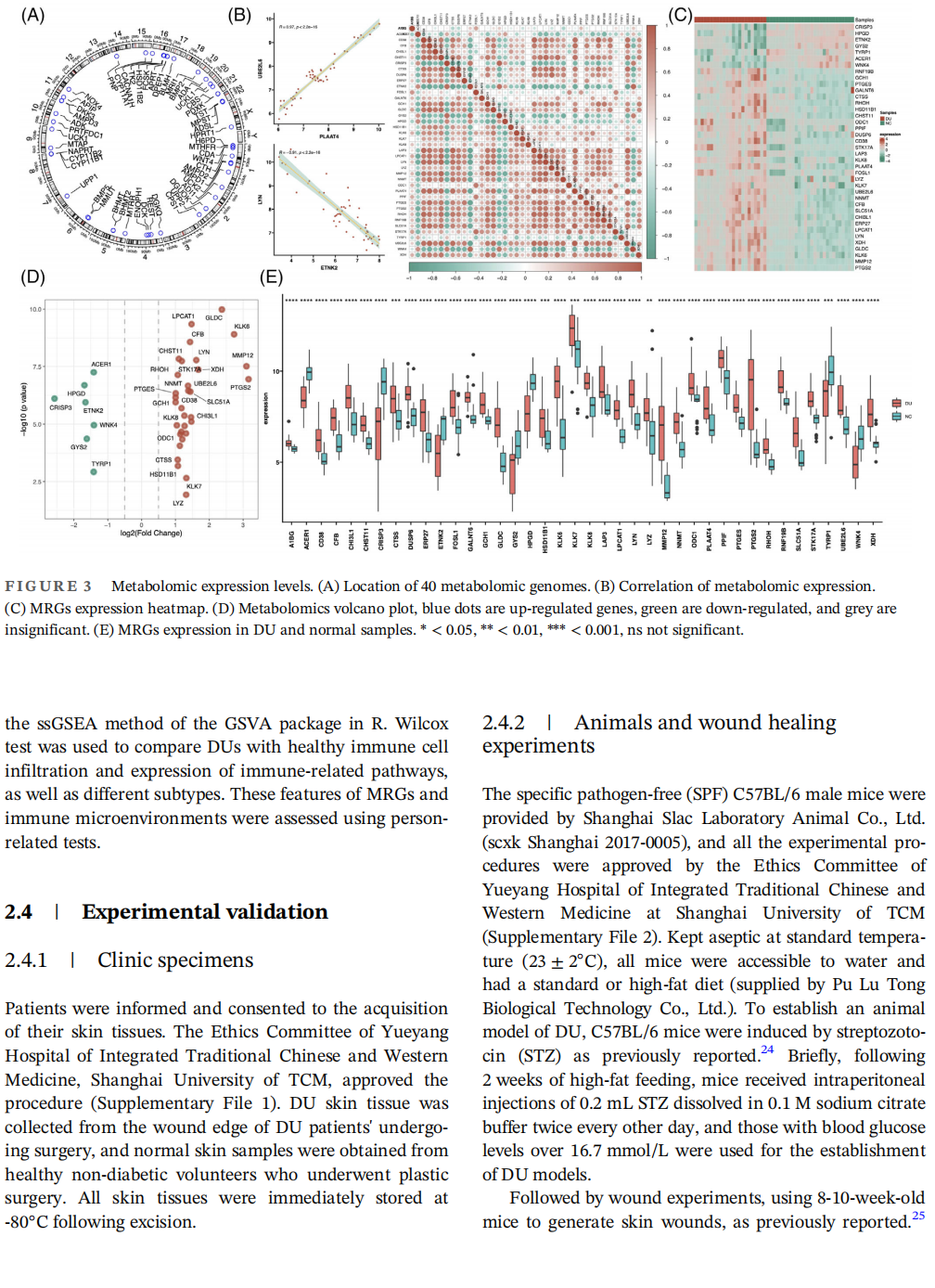
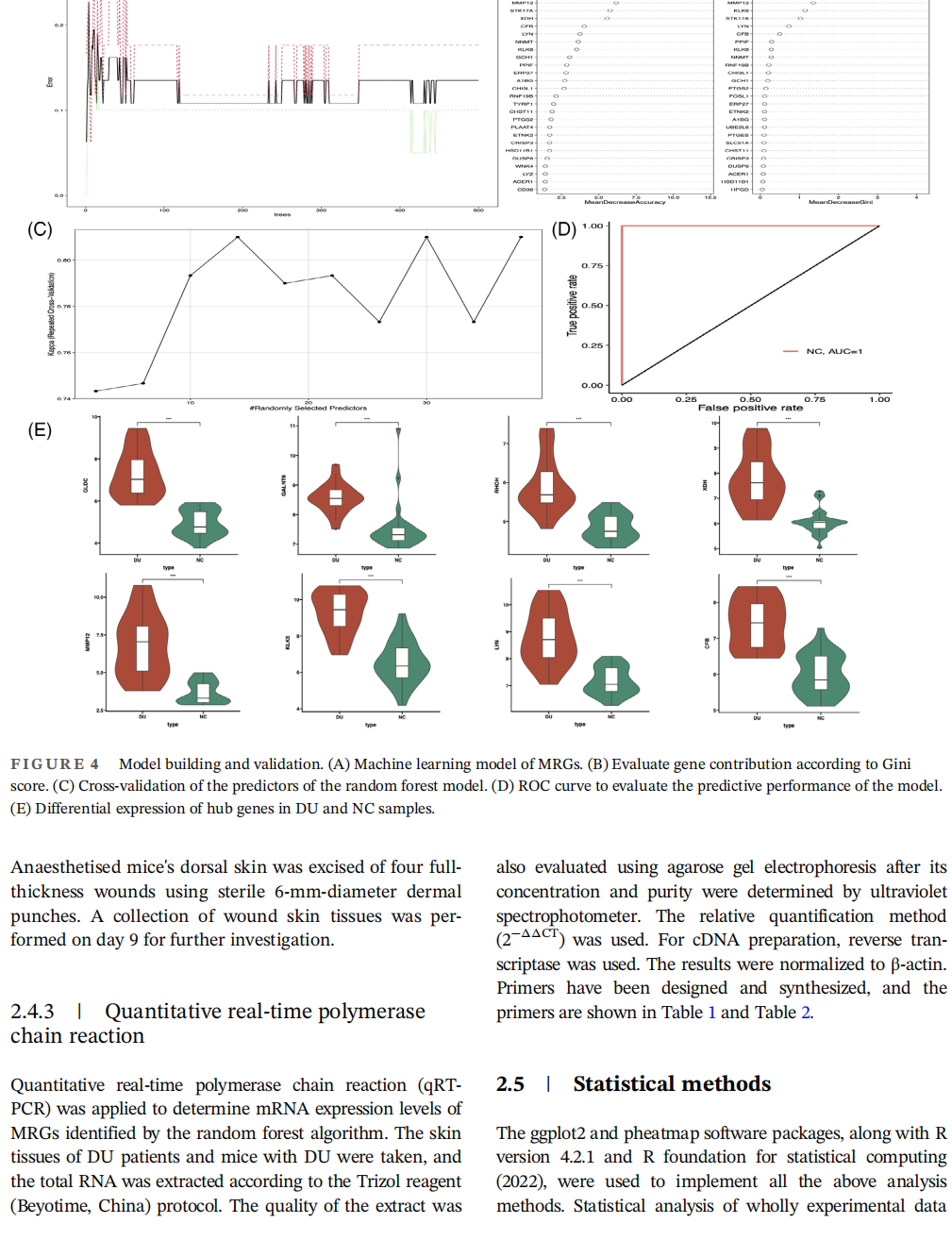
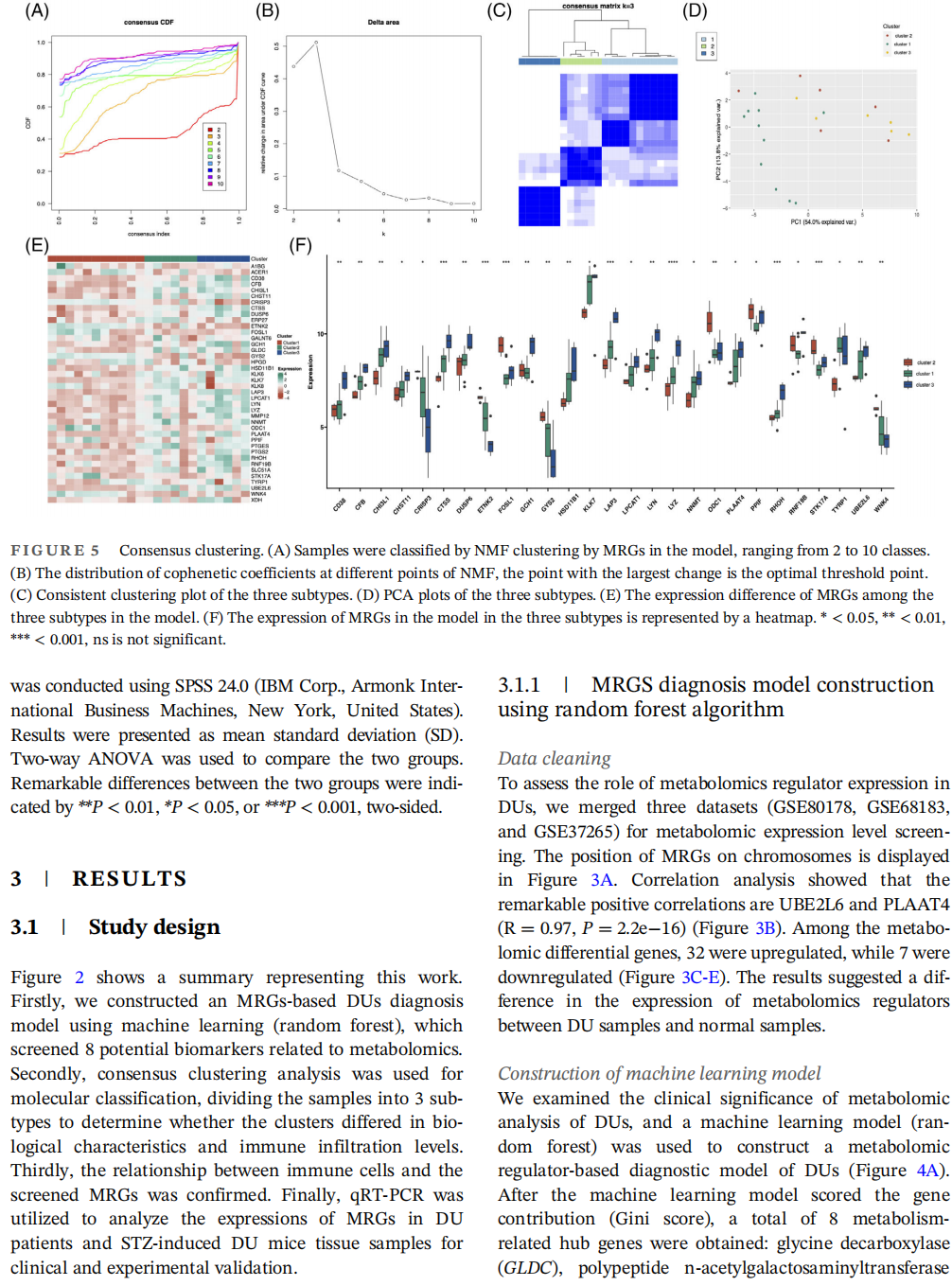
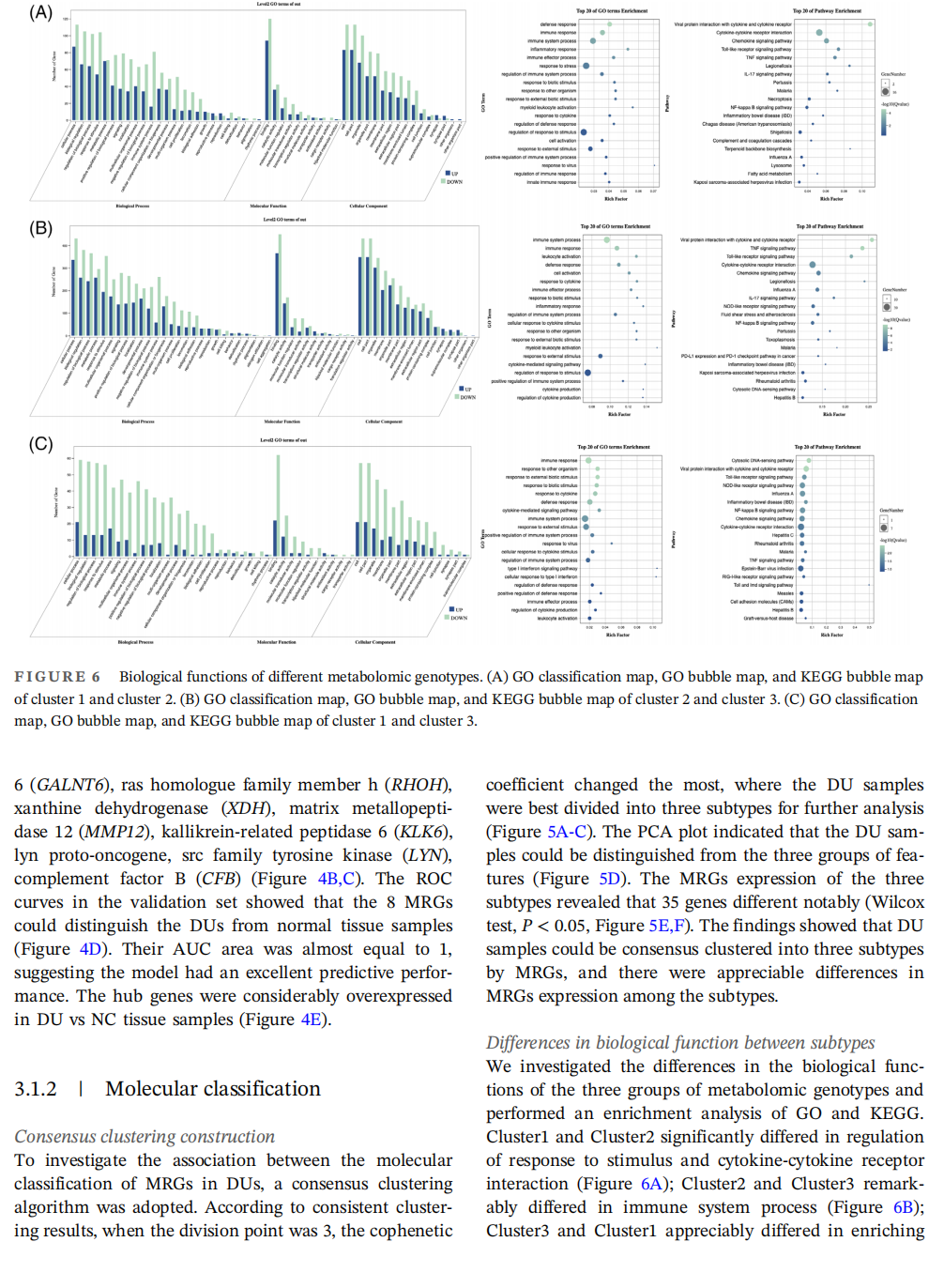
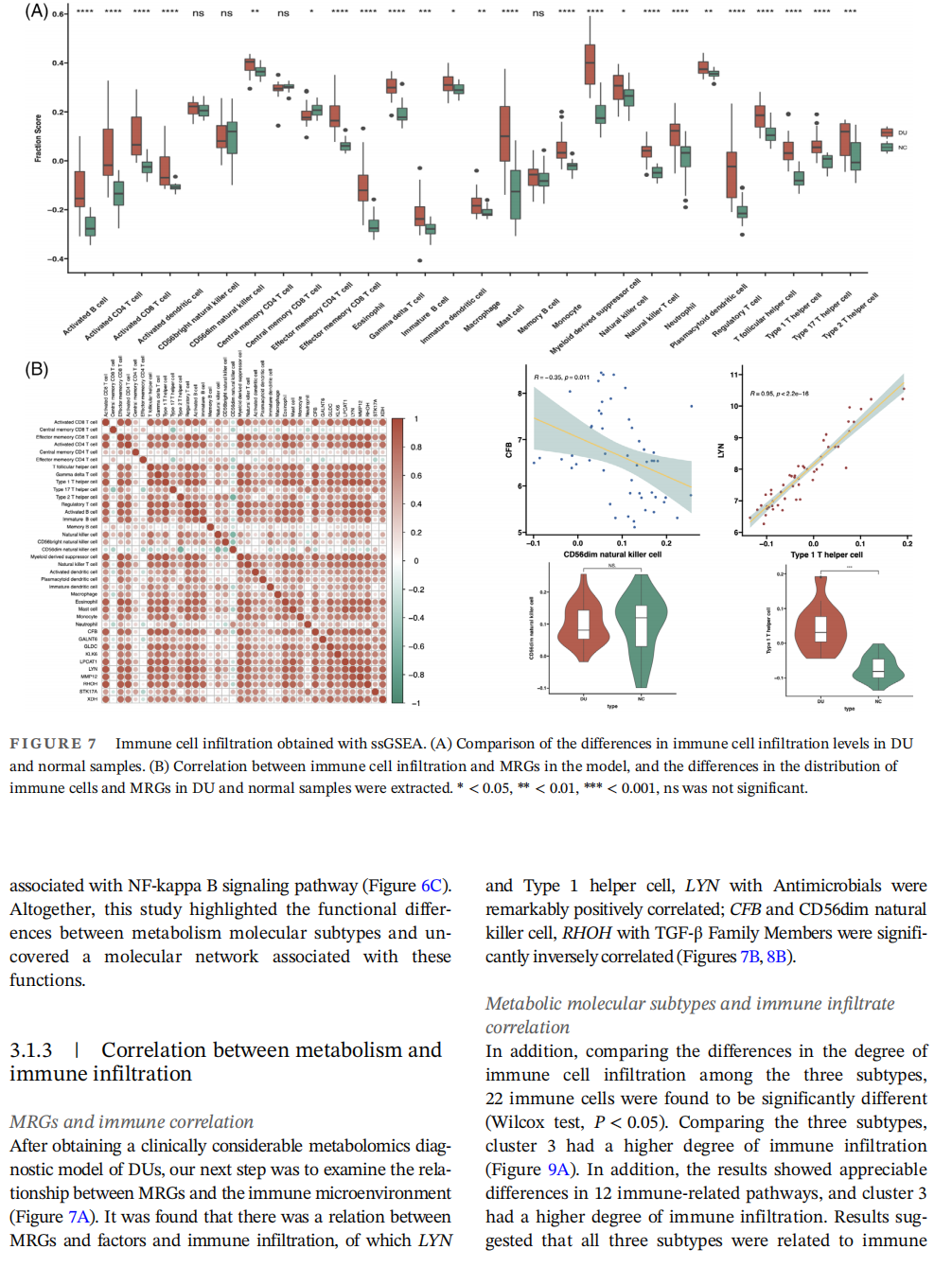
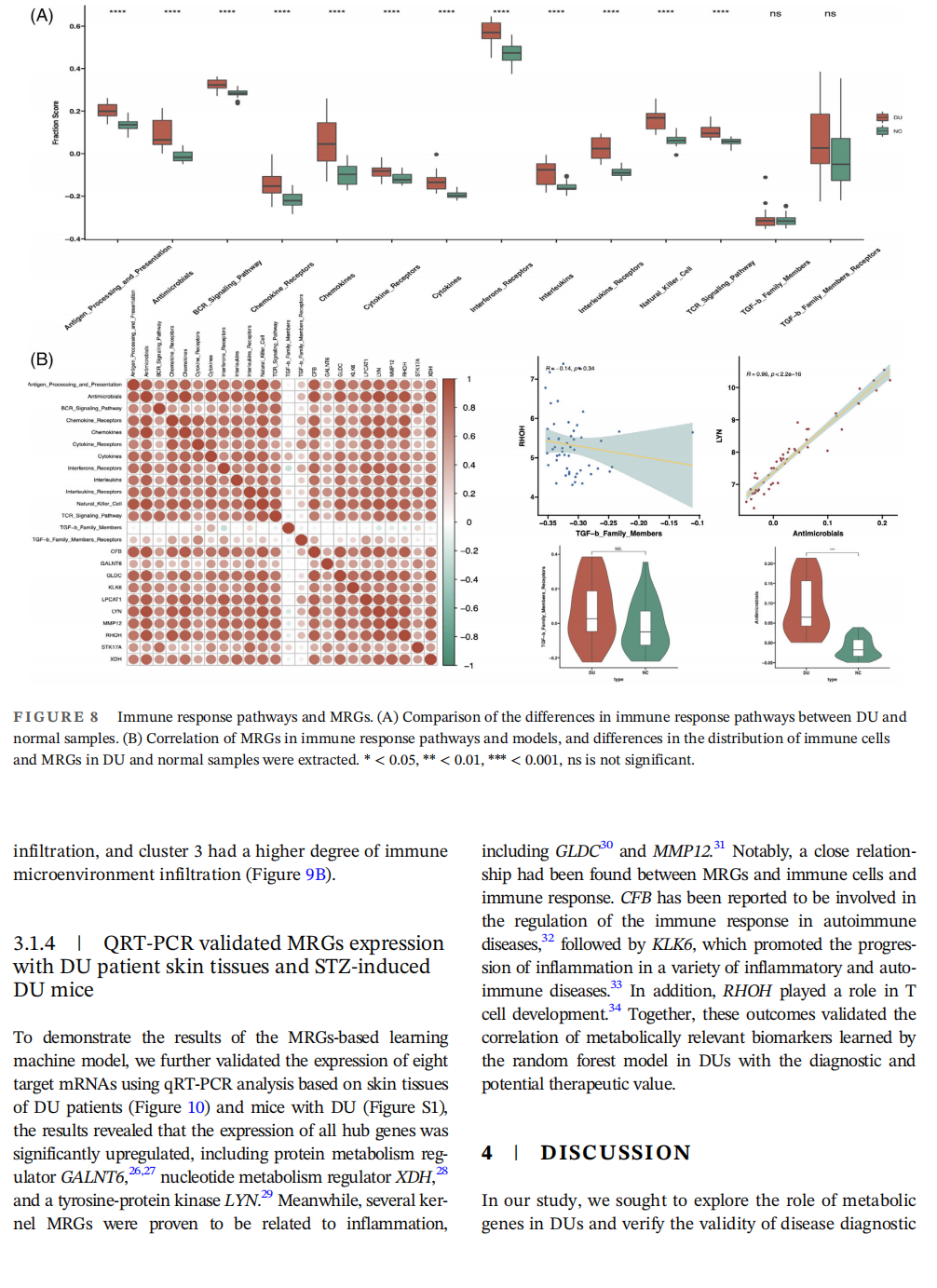
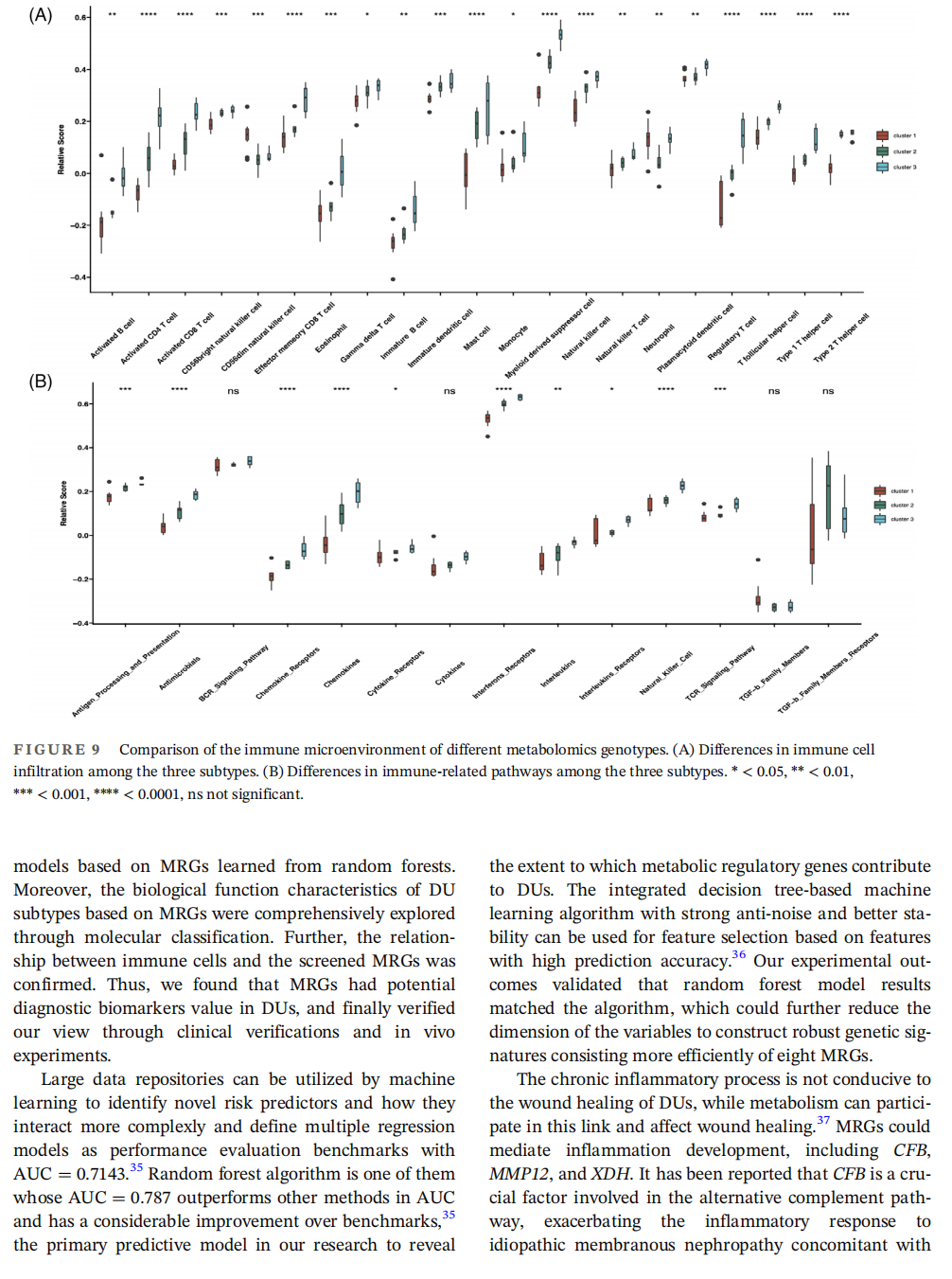
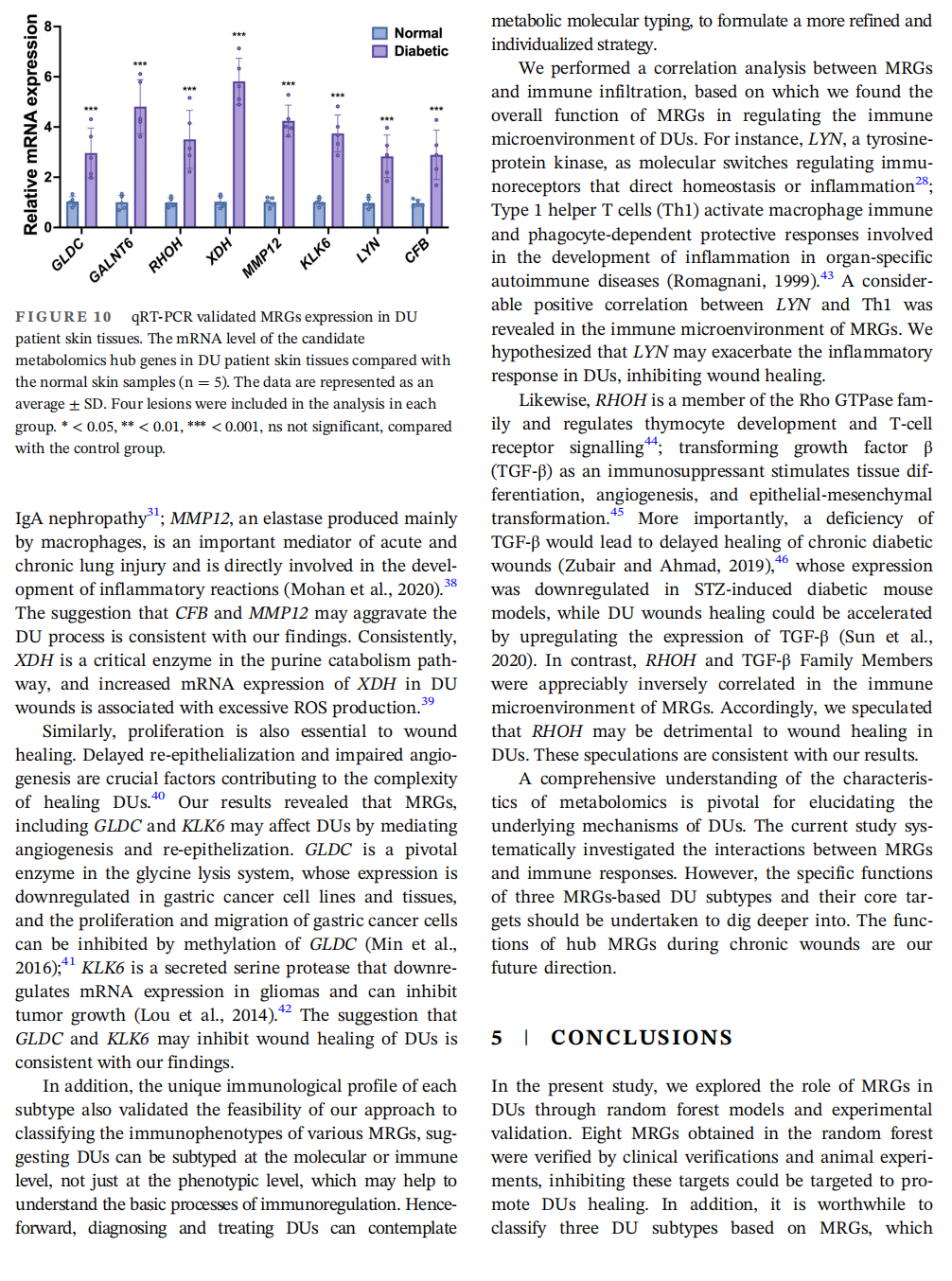
Diabetes mellitus (DM) can lead to diabetic ulcers (DUs), which are the most severe complications. Due to the need for more accurate patient classifications and diagnostic models, treatment and management strategies for DU patients still need improvement. The difficulty of diabetic wound healing is caused closely related to biological metabolism and immune chemotaxis reaction dysfunction. Therefore, the purpose of our study is to identify metabolic biomarkers in patients with DU and construct a molecular subtype-specific prognostic model that is highly accurate and robust. RNA-sequencing data for DU samples were obtained from the Gene Expression Omnibus (GEO) database. DU patients and normal individuals were compared regarding the expression of metabolism-related genes (MRGs). Then, a novel diagnostic model based on MRGs was constructed with the random forest algorithm, and classification performance was evaluated utilizing receiver operating characteristic (ROC) analysis. The biological functions of MRGs-based subtypes were investigated using consensus clustering analysis. A principal component analysis (PCA) was conducted to determine whether MRGs could distinguish between subtypes. We also examined the correlation between MRGs and immune infiltration. Lastly, qRT-PCR was utilized to validate the expression of the hub MRGs with clinical validations and animal experimentations. Firstly, 8 metabolism-related hub genes were obtained by random forest algorithm, which could distinguish the DUs from normal samples validated by the ROC curves. Secondly, DU samples could be consensus clustered into three molecular classifications by MRGs, verified by PCA analysis. Thirdly, associations between MRGs and immune infiltration were confirmed, with LYN and Type 1 helper cell significantly positively correlated; RHOH and TGF-β family remarkably negatively correlated. Finally, clinical validations and animal experiments of DU skin tissue samples showed that the expressions of metabolic hub genes in the DU groups were considerably upregulated, including GLDC, GALNT6, RHOH, XDH, MMP12, KLK6, LYN, and CFB. The current study proposed an auxiliary MRGs-based DUs model while proposing MRGs-based molecular clustering and confirmed the association with immune infiltration, facilitating the diagnosis and management of DU patients and designing individualized treatment plans.
KEYWORDS
diabetic ulcers, immune infiltration, machine learning, metabolic, random forest algorithm
Key Messages
This article is excerpted from the Int Wound J. 2023;20:3498–3513 by Wound World.